


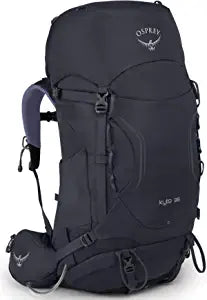
Backpack Questions Answered
Choosing the right backpack can be confusing. Capacity is measured in liters, materials have unfamiliar names, laptop sleeves vary in size, and bags designed for school, sports, work and travel can look surprisingly similar.
This guide answers common backpack questions about sizing, fit, materials, cleaning, school use, sports storage, travel and everyday organization. Use the table of contents to jump directly to the information you need.
Quick Answer
The best backpack is one that fits your body, holds your regular gear without being overpacked and includes compartments suited to your primary use. Measure your laptop, shoes, binders and other large items before buying because liter capacity alone does not guarantee that everything will fit.
Backpack Questions in This Guide
Choosing a Backpack
What should I look for when buying a backpack?
Start with the intended use, required capacity, fit and the largest items you plan to carry.
Important features may include:
- A main compartment large enough for your regular load
- A padded laptop or tablet sleeve
- Comfortable adjustable shoulder straps
- A supportive back panel
- External water-bottle pockets
- Smaller pockets for chargers, keys and accessories
- A wide zipper opening
- Separate storage for shoes or wet clothing
- Water-resistant fabric
Avoid choosing solely by appearance or total liter capacity. A backpack can look large while having a narrow opening or an interior divided into compartments that do not match your gear.
What type of backpack should I buy?
Choose a backpack designed around your primary activity.
- School: Look for binder clearance, laptop protection and organization.
- Work: Prioritize a professional shape, laptop storage and accessory pockets.
- Basketball or sports: Look for room for shoes, clothing, a towel and a bottle.
- Gym: Prioritize shoe separation, washable lining and ventilation.
- Travel: Compare exterior dimensions, opening style and packing access.
- Hiking: Consider torso fit, hydration compatibility and load support.
Browse our Laptop Backpacks, Basketball Backpacks, Soccer Backpacks, Gym Bags and Duffel Bags, Travel Backpacks and Hiking Backpacks to compare activity-specific options.
Are expensive backpacks worth it?
A more expensive backpack can be worth it when the higher price provides better materials, stronger seams, improved zippers, greater comfort or a layout that suits your needs.
Price alone does not guarantee quality. Evaluate:
- Fabric thickness and durability
- Zipper construction
- Reinforcement at strap attachment points
- Interior lining
- Warranty terms
- Comfort when loaded
- Whether the organization matches your gear
A moderately priced backpack that fits correctly and meets your needs can be a better purchase than an expensive model with unnecessary features.
How long should a backpack last?
A backpack may last several years with normal use, but lifespan depends on materials, construction, weight, frequency of use and care.
Common causes of early damage include overloading, pulling zippers under tension, carrying sharp objects without protection and repeatedly lifting a heavily packed backpack by its top handle.
Backpack Sizes and Capacity
What does backpack capacity in liters mean?
Liter capacity describes the approximate total volume available inside a backpack.
It helps compare overall size, but it does not describe the exact dimensions or shape. Padding, dividers, curved panels and separate compartments can reduce flexible storage.
General capacity ranges include:
| Capacity | Common Use | Possible Items |
|---|---|---|
| Under 15L | Light everyday carry | Phone, wallet, tablet, small bottle |
| 15L–25L | School, work or day trips | Laptop, notebooks, lunch and light clothing |
| 25L–35L | School, sports and mixed daily use | Laptop, binders, shoes, clothing and bottle |
| 35L–45L | Large sports loads and short travel | Shoes, several clothing items, electronics and toiletries |
| Over 45L | Extended travel or outdoor use | Larger clothing and equipment loads |
What size backpack do I need?
Choose the smallest backpack that holds your normal load comfortably.
List the items you carry most often, measure the largest ones and consider whether they must fit at the same time. A student athlete may need space for a laptop, binder, shoes and practice clothing, while an office commuter may only need technology, lunch and a light jacket.
How do I measure a backpack?
Measure the backpack’s height, width and maximum depth while it is filled to a realistic level.
Also measure:
- The main zipper opening
- The laptop sleeve
- Water-bottle pockets
- Separate shoe compartments
- The distance between shoulder straps
Exterior measurements do not equal usable interior dimensions because fabric, lining and padding take up space.
Backpack Fit and Weight
How should a backpack fit?
A backpack should sit close to the back, remain stable and not hang excessively below the waist.
Adjust both shoulder straps evenly. The top of a typical everyday backpack should sit near the shoulders, while the bottom should not extend far below the lower back.
A properly fitted backpack should:
- Remain centered
- Not sway heavily while walking
- Allow comfortable shoulder movement
- Keep dense items close to the body
- Distribute weight evenly across both shoulders
How much weight should I carry in a backpack?
Carry only what you need and reduce the load when the backpack causes discomfort, changes posture or becomes difficult to lift safely.
The appropriate weight depends on the wearer, backpack design and carrying duration. Heavy books, laptops, water and athletic equipment can quickly create an uncomfortable load even when the backpack has enough physical space.
Pack heavy, flat items close to the back panel and remove unnecessary objects regularly.
Why do backpack straps hurt my shoulders?
Common causes include:
- Too much packed weight
- Narrow or poorly padded straps
- Uneven adjustment
- Wearing the backpack too low
- Using only one shoulder strap
- A backpack that is too large for the wearer
Thick padding can improve comfort, but it cannot compensate for excessive weight or poor fit.
School and Laptop Backpacks
What size backpack is best for school?
Many students use backpacks between approximately 20L and 35L, depending on age, schedule and the amount of equipment carried.
A school backpack may need room for:
- A laptop or tablet
- Binders
- Folders and notebooks
- Books
- A lunch container
- A water bottle
- Sports clothing
Older students and student athletes may require more capacity, while younger students usually benefit from a lighter, smaller backpack that better matches their body size.
What size backpack fits a laptop?
Laptop fit depends on the sleeve dimensions, not only the advertised screen size.
Measure the laptop with its case:
- Height
- Width
- Thickness
Compare those measurements with the backpack’s actual sleeve dimensions. A laptop may fit inside the main compartment without fitting securely inside the padded sleeve.
Browse our Laptop Backpacks for work, school and travel options.
Can shoes and a laptop fit in the same backpack?
They can fit together in many medium and large backpacks, but the laptop should be protected from dirt, moisture and pressure.
Place the laptop in a padded sleeve and the shoes in a separate shoe bag or compartment. Do not position hard soles, cleats or heavy athletic equipment directly against the device.
Are rolling backpacks better for school?
Rolling backpacks can help students move heavy materials without carrying the entire load on their shoulders.
They may be useful for students carrying several books or technology, but they also have limitations:
- They can be heavier when lifted.
- Wheels and handles reduce interior space.
- They may be difficult on stairs.
- Some classrooms and buses provide limited floor space.
Compare options in our Rolling Backpacks collection.
Sports and Gym Backpacks
What is the best backpack for a student athlete?
A student-athlete backpack should combine school organization with room for footwear, clothing and hydration.
Useful features include:
- A padded laptop sleeve
- Binder and notebook clearance
- Room for athletic shoes
- A washable or separated gear section
- External bottle pockets
- Comfortable shoulder straps
- A wide main opening
Our Nike Backpacks and Basketball Backpacks include options designed around school and athletic use.
Can a basketball fit inside a backpack?
A full-size basketball can fit inside some large basketball backpacks, but it may occupy most of the main compartment.
The words “basketball backpack” do not always mean that a bag has a dedicated ball compartment. Check interior measurements and product photographs before buying.
What size backpack is good for the gym?
A gym backpack around 20L to 30L may be sufficient for one pair of shoes, clothing, a towel, a bottle and personal accessories.
Choose a larger model when adding work supplies, a laptop, several clothing changes or larger athletic equipment.
Should gym shoes have a separate compartment?
A separate shoe compartment is helpful but not essential.
It can prevent dirt and odor from contacting clothing or electronics. However, dedicated shoe sections sometimes reduce flexible space in the main compartment. A lightweight washable shoe bag is a practical alternative.
Travel Backpacks
Can a backpack count as a personal item?
A backpack may qualify as a personal item when its packed exterior dimensions meet the airline’s current size limits.
The backpack’s capacity in liters does not determine eligibility. A soft backpack may expand beyond the allowed dimensions when overpacked.
Always check the airline’s current rules before traveling.
What size backpack fits under an airplane seat?
Under-seat fit depends on the airline, aircraft and the backpack’s packed dimensions.
Smaller daypacks and compact travel backpacks are more likely to fit than tall hiking packs or heavily filled athletic bags.
Compare your options in our Travel Backpacks collection.
Can I travel with a 40L backpack?
A 40L backpack can work for travel, but it may be too large to qualify as a personal item and may not meet every airline’s carry-on limits.
The bag’s shape and dimensions matter more than the liter rating. Measure it after packing because soft-sided backpacks expand.
What is the difference between a travel backpack and a school backpack?
Travel backpacks usually prioritize packing access, clothing storage and carrying comfort, while school backpacks prioritize laptops, books and daily organization.
Travel-focused features may include:
- Clamshell or suitcase-style opening
- Compression straps
- Lockable zipper pulls
- Luggage-handle sleeves
- Hidden passport pockets
School backpacks commonly provide more small-item organization and quicker access to academic materials.
Backpack Materials and Water Resistance
What are backpacks made from?
Common backpack materials include polyester, nylon, canvas, leather and coated synthetic fabrics.
- Polyester: Common, affordable and available in many weights.
- Nylon: Often lightweight and resistant to abrasion.
- Canvas: Durable with a traditional appearance, but it may be heavier.
- Leather: Stylish and durable with proper care, but generally heavier.
- Coated fabrics: Designed to improve resistance to moisture and stains.
Is nylon or polyester better for backpacks?
Neither material is automatically better because quality depends on fabric weight, weave, coating and construction.
Nylon is often valued for strength and abrasion resistance, while polyester may offer good color retention and affordability. Evaluate the complete backpack rather than selecting solely by the fabric name.
What does denier mean?
Denier is a measurement related to the thickness of individual fibers used in a fabric.
A higher number often indicates a heavier or thicker material, but it does not guarantee that the backpack is stronger. Weave, coatings, stitching and construction also affect durability.
What is the difference between water-resistant and waterproof?
Water-resistant backpacks can repel limited moisture, while waterproof designs are intended to provide a higher level of protection against water.
Even when the exterior fabric resists water, moisture may enter through:
- Zippers
- Seams
- Pocket openings
- Uncoated panels
Use a protective sleeve or waterproof liner for electronics and important documents.
Backpack Cleaning and Care
Can you wash a backpack in a washing machine?
Some backpacks may be machine washable, but always check the care label or manufacturer instructions first.
Machine washing can damage:
- Foam padding
- Water-resistant coatings
- Leather trim
- Rigid back panels
- Decorative hardware
- Wheels and telescoping handles
Hand washing is the safer general method when care instructions are unavailable.
How do you clean a backpack by hand?
- Empty every compartment.
- Shake out crumbs and loose debris.
- Remove detachable parts when permitted.
- Spot-test a mild cleaning solution in a hidden area.
- Use lukewarm water and a small amount of gentle detergent.
- Clean with a soft cloth or brush.
- Rinse away soap residue.
- Reshape the backpack.
- Air-dry it completely with compartments open.
Can backpacks go in a dryer?
Backpacks generally should not be placed in a heated dryer unless the care label specifically permits it.
Heat can damage coatings, foam, adhesives, plastic components and synthetic fabric. Air-dry the backpack away from intense direct heat.
How do you remove odors from a backpack?
Empty the bag, clean any spills and allow it to dry completely in a well-ventilated area.
Odors often remain when moisture, food residue, dirty footwear or damp clothing is trapped inside. Clean removable liners or shoe bags separately and avoid storing the backpack while damp.
How should backpacks be stored?
Store a clean, dry backpack in a ventilated area with the compartments partially open.
Avoid compressing it under heavy objects or leaving it in prolonged heat or direct sunlight. Remove food, liquids and wet clothing before storage.
Additional Backpack Questions
What is the difference between a backpack and a rucksack?
The terms overlap, but “rucksack” often describes a larger or more rugged pack associated with outdoor, military or travel use.
Modern retailers may use the words interchangeably, so compare features and dimensions rather than relying on the name.
Are clear backpacks durable?
Clear backpacks can be durable enough for regular use, but transparent plastic materials may react differently to folding, cold temperatures and repeated stress than woven fabric.
Check seam construction, strap attachment points and school or venue requirements. Browse our Clear Bags and Backpacks.
Are anti-theft backpacks useful?
Anti-theft features can make quick access more difficult, but no backpack can guarantee protection against theft.
Useful features may include hidden zippers, locking zipper pulls, cut-resistant panels and concealed pockets. Awareness and responsible handling remain important.
Should a backpack have one large compartment or several smaller ones?
One large compartment works well for bulky clothing and sports gear, while several compartments improve organization for school, work and technology.
The best layout depends on your equipment. Too many divisions can reduce flexible packing space.
How can I prevent backpack zippers from breaking?
Do not force the zipper around overpacked corners or pull it closed while the fabric is under heavy tension. Reorganize or remove items when the zipper does not move naturally.
Why does my backpack tip over?
A backpack may tip because the base is narrow, the back panel is curved or heavy objects are packed too far forward. Place dense, flat objects near the back and distribute weight evenly.
Is a backpack better than a shoulder bag?
A backpack generally distributes weight across both shoulders, while a shoulder bag provides faster access but concentrates the load on one side.
The better choice depends on load weight, carrying duration and personal preference.
Where can I compare backpacks?
Backpacks4Less organizes backpacks by brand, activity, color, size and intended use. Browse our collections to compare school, laptop, sports, travel, rolling and everyday backpacks.
Final Thoughts
The right backpack should fit your body, match your regular load and provide useful organization without unnecessary bulk. Capacity in liters is helpful, but dimensions, interior shape, shoulder straps and compartment design are equally important.
Measure large items before buying, especially laptops, binders, shoes and rigid lunch containers. Choose the smallest backpack that carries those items comfortably and avoid overloading it simply because extra space is available.
For specialized needs, explore our Laptop Backpacks, Basketball Backpacks, Rolling Backpacks, Travel Backpacks, Hiking Backpacks and Nike Backpacks.
Backpacks4Less provides product discovery and informational resources. Product features, measurements, care instructions and availability may vary. Review the individual product listing and manufacturer guidance before purchasing or cleaning a backpack.
