


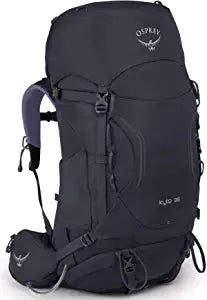
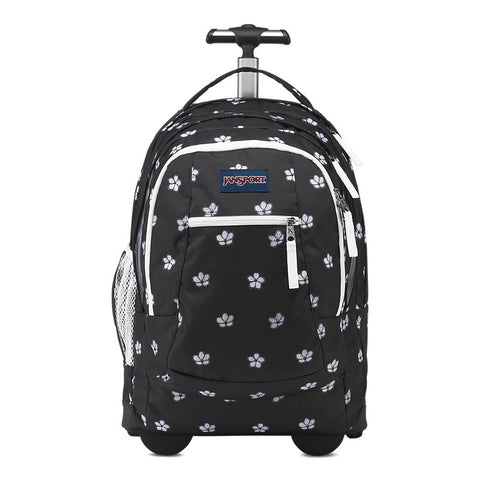


Camping Backpacks
Camping backpacks carry sleep systems, shelter, food, water, clothing, safety equipment, and the smaller essentials needed away from a vehicle or building. Choosing one begins with the exact trip rather than a generic capacity recommendation. Distance, terrain, weather, resupply, equipment bulk, and the wearer’s fit determine which pack is practical.
Choose Capacity From the Camping Gear List
Lay out every item before selecting liters. Compact 20–30L packs can support light day trips, while many weekend loads require roughly 40–55L. Larger 60–85L backpacks can accommodate bulky sleep systems, winter layers, group gear, or extended food carries, but extra room encourages unnecessary weight.
Compare main-compartment dimensions and shape because two equal liter ratings may pack differently. Keep dense items close to the back panel, fill dead space without over-compressing fragile equipment, and use exterior attachment points only for gear designed to ride safely outside.
As an Amazon Associate, we may earn from qualifying purchases.
Fit the Backpack to the Wearer
Measure torso length according to the manufacturer’s method and compare it with the exact size chart. Shoulder straps should wrap cleanly without crowding the neck. A supportive hip belt should contact the hip structure and transfer an appropriate portion of heavier loads. The sternum strap stabilizes the harness but should never restrict breathing.
Test the backpack with realistic weight while wearing the clothing expected on the trip. Walk, climb stairs, bend, and reach for water. Pressure, numbness, backward pull, or uncontrolled movement are signs to readjust the load or choose another suspension.
Organize Camping Equipment for Access
Pack the sleep system low when appropriate, dense food and cooking equipment near the middle of the back, and frequently used layers, rain protection, navigation, first aid, and water where they can be reached quickly. Separate fuel, liquids, and food from sensitive electronics or insulation.
A top lid, hip-belt pockets, shove-it pocket, and bottle pockets can reduce stops, but pocket count alone does not prove good organization. Every compartment should support a repeated need. Removable pouches can keep first aid, repair supplies, hygiene items, or cooking tools together without fragmenting the whole load.
Weather Protection for Camping Backpacks
Water-resistant fabric is not automatically waterproof. Seams, zippers, hydration ports, and top openings can admit moisture. For sustained rain, combine the backpack’s stated protection with a rain cover, pack liner, or internal dry bags appropriate to the equipment.
Keep insulation and sleep gear especially protected. Ventilate damp clothing and the backpack after the trip, follow material-specific cleaning directions, and never store the bag wet. Coated fabrics may be damaged by harsh detergent or high heat.
Compare Camping Backpack Construction
Nylon, polyester, canvas, laminate fabrics, and leather have different tradeoffs in weight, abrasion resistance, drying time, appearance, and maintenance. Denier is one clue rather than a complete quality score. Inspect shoulder-strap anchors, hip-belt attachment, bottom reinforcement, zipper movement, compression hardware, and seam finishing.
Internal frames improve structure and load transfer when the pack fits correctly. Frameless or lightly structured designs can reduce empty weight for compact loads, but they demand careful packing and may become uncomfortable when overloaded. Choose the suspension for the real packed weight.
Camping Backpack Guides
Use these detailed guides to compare capacities, fit systems, weather strategies, packing methods, brands, and specialized camping needs:
- Camping Backpacks vs Hydration Backpacks: Which Is Best for You?
- Camping Backpacks vs Hiking Backpacks: Which Is Best for You?
- Teton Sports Backpacks Comparison: Best Camping Backpacks Reviewed
- Kelty Backpacks Compared: Best Camping Backpacks Reviewed
- Deuter Camping Backpacks Compared: Which Model Is Best for You?
- How to Choose the Best Camping Backpacks
- Camping Backpack Size Guide: 30L, 40L, 50L, 65L and 85L
- 40L vs 50L vs 65L Camping Backpacks: Which Capacity Fits?
- Internal-Frame Camping Backpack Fit Guide: Torso, Hip Belt and Load
- How to Pack a Camping Backpack for Balance and Fast Access
- Waterproof Camping Backpacks: Rain Covers, Dry Bags and Weather Limits
- Camping Backpacks for Women: Fit, Capacity and Comfort Guide
- Camping Backpacks for Men: Fit, Capacity and Load Support
- Weekend Camping Backpack Guide: Capacity, Gear and Packing Checklist
- Tactical Backpacks for Hiking and Camping: What to Look For
Loaded Backpack Test
Pack the complete trip inventory and weigh the result. Adjust the torso system first, position the hip belt, tension the shoulder straps, set the load lifters if present, and stabilize the sternum strap. Walk for at least fifteen minutes and repeat after moving dense items closer to the back.
Check bottle access, ventilation, zipper movement, head clearance, arm swing, and whether external equipment catches. A realistic test reveals more than an empty fitting. Remove optional items before buying a larger backpack simply to accommodate them.
Compare the Final Candidates
Place the same representative load in the final two camping backpacks and repeat the identical fitting sequence. Walk on stairs and uneven ground, retrieve water and rain gear, and note whether either pack shifts, traps excessive heat, or creates pressure. Verify the exact color and size variant because product specifications can differ across listings. A direct loaded comparison is more dependable than choosing by feature count alone.
Recheck the packed weight after the test and remove equipment that lacks a clear safety, comfort, navigation, shelter, food, water, or weather purpose. The lightest suitable system is usually easier to control over distance, provided it still protects the required gear and fits the wearer correctly.
Final Camping Backpack Checklist
- Define trip length, terrain, weather, and resupply.
- Build the complete gear inventory.
- Select the smallest practical capacity.
- Measure torso length and verify the size range.
- Test the harness with realistic packed weight.
- Plan water storage and weather protection.
- Confirm current dimensions and model specifications.
- Compare final candidates under identical conditions.
A dependable camping backpack fits the wearer, stabilizes the real load, protects essential equipment, and keeps important items accessible. The best model is not automatically the largest or most expensive; it is the one that performs the planned trip with the fewest compromises.


