





Mens Backpacks
Men’s backpacks serve very different jobs, from a light office commute to multi-day travel or a demanding trail. The right choice starts with the real packing list, then balances capacity, fit, organization, construction, and weather protection. This guide connects every major decision so shoppers can compare useful features without paying for bulk they will not use.
How to Choose Men’s Backpacks
List the laptop, clothing, water, documents, gym equipment, travel items, or outdoor gear that must fit. Choose the smallest capacity that holds the load without crushing it. Confirm internal dimensions for protected devices and exterior dimensions for airline or locker limits. A liter rating is helpful, but shape and pocket layout determine usable space.
Fit matters as much as volume. Shoulder straps should contour without crowding the neck, and a sternum strap should stabilize the harness without restricting breathing. Heavier packs benefit from a supportive hip belt and a back length that matches the wearer. Test any candidate with realistic weight.
As an Amazon Associate, we may earn from qualifying purchases.
Work, Laptop and Everyday Backpacks for Men
Work-focused designs should protect technology, keep documents flat, and provide fast access to chargers, keys, and identification. Professional styling often favors a clean exterior, controlled straps, and a structure that does not collapse when set down. Everyday carry usually needs less capacity, but quick-access organization and comfortable straps remain essential.
Measure the complete laptop rather than relying on the marketed screen diagonal. Check sleeve width, height, thickness, padding, and whether the compartment has a raised base. Store dense chargers where they cannot press into the computer, and choose an opening that allows quick removal without exposing every personal item.
Travel and Carry-On Backpacks for Men
For travel, measure the fully packed exterior rather than relying on capacity alone. Clamshell access simplifies clothing organization, while compression straps help control the load. Keep medicine, documents, spare batteries, and fragile electronics in an accessible personal-item module in case a larger bag must be checked.
Airline limits can change, so verify current rules with the operating carrier. Control dangling straps and inspect every pocket before security. A practical travel backpack makes screening and transit easier without implying that one design fits every airline.
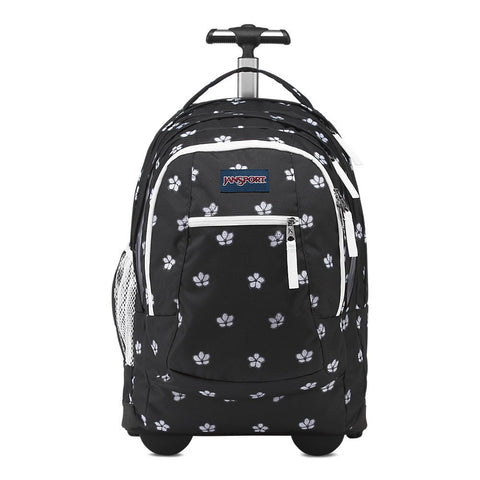
Pack clothing in zones and keep the heaviest dense items near the back panel. A luggage pass-through can help during terminal transfers, but it should not weaken the structure or block a useful pocket. Practice converting the bag from shoulder carry to luggage handling before departure.
Outdoor, Hiking and Large Men’s Backpacks
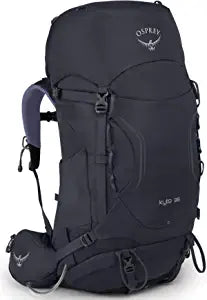
Trail use places greater emphasis on torso fit, ventilation, hydration, load control, and weather strategy. Large capacity is useful only when the suspension supports the resulting weight. Keep dense items close to the back and use compression to prevent shifting. Water-resistant fabric still needs a rain cover or internal dry bags in sustained weather.
Hiking footwear, clothing layers, water volume, elevation, distance, and temperature all change the appropriate load. Test the packed backpack on stairs and uneven ground. If shoulder pressure or backward pull appears quickly, adjust the load or choose a harness with better support rather than adding more padding blindly.
Materials, Security and Maintenance
Nylon, polyester, canvas, and leather each create different tradeoffs in weight, appearance, care, and weather resistance. Inspect stitching at strap anchors, zipper movement, bottom-panel reinforcement, and hardware. Anti-theft features can improve access control, but awareness and sensible packing remain necessary in public spaces.
Empty the backpack regularly, follow the maker’s cleaning directions, and repair small seam or hardware problems before they spread. Never store a damp bag. Leather requires material-appropriate conditioning, while coated technical fabrics may be damaged by harsh detergent or heat.
Customer reviews are most useful when they identify the exact model, carried load, duration, and failure point. Repeated observations about zipper movement, strap comfort, pocket scale, and fabric wear deserve attention. Separate those reports from shipping complaints, seller service, or feedback about a different size or generation.
Capacity and Organization
Compact backpacks support minimal daily loads, while mid-size designs handle work, a layer, food, and travel essentials. Large backpacks can carry bulky equipment, but unused room encourages extra weight. Pocket count is not automatically useful; every divider should support a repeated access or separation need.
Build a simple packing map. Put dense items near the spine, soft items around fragile gear, liquids upright, and frequently used objects in secure quick-access pockets. Removable pouches can shift between work, gym, and travel routines without forcing the entire bag to remain packed.
Men’s Backpack Guides
Use these detailed articles to compare the exact category that matches the planned routine:
- Best Men’s Backpacks: Complete Buying Guide for Work, Travel and Daily Use
- Travel Backpack for Men: How to Choose the Right Carry
- Men’s Work Backpacks: Professional Organization and Comfort
- Men’s Laptop Backpacks: Fit, Protection and Daily Organization
- Men’s Everyday Backpacks: Practical EDC Buying Guide
- Men’s Hiking Backpacks: Fit, Capacity and Trail Features
- Men’s Carry-On Backpacks: Airline Fit and Packing Guide
- Small Backpacks for Men: Minimal Carry Without Wasted Space
- Large Backpacks for Men: Capacity, Support and Load Control
- Waterproof Backpacks for Men: Materials, Seams and Rain Protection
- Men’s Leather Backpacks: Style, Care and Practical Features
- Anti-Theft Backpacks for Men: Security Features That Matter
- Men’s Gym Backpacks: Shoe Storage, Ventilation and Daily Carry
- How to Fit a Men’s Backpack: Torso, Straps and Load Balance
- How to Organize a Men’s Backpack for Work, Travel and Everyday Carry
Compare the Final Candidates
Before deciding, place the same representative load in the final two backpacks and repeat the same walk, access, and organization test. Note which bag keeps its shape, which pockets remain usable, and whether either harness creates pressure. Verify the exact color and size variant because photographs and specifications can change between listings. This direct comparison is more reliable than choosing from a feature count alone.
Final Buying Checklist
- Write the complete packing list.
- Measure protected devices and travel limits.
- Choose the smallest practical capacity.
- Test fit using realistic weight.
- Map frequent items to accessible pockets.
- Verify weather claims and current specifications.
- Compare the final options by use and comfort.
A well-chosen men’s backpack should reduce friction throughout the day. It carries the required load, protects important items, stays comfortable, and avoids features that add weight without improving the routine.


