



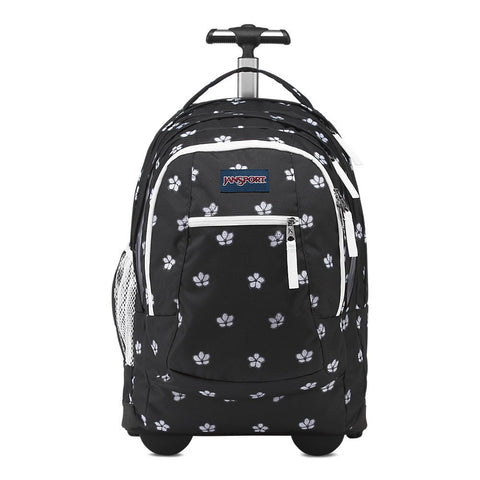



Hydration Backpacks
Hydration backpacks combine a reservoir or bladder sleeve with a drinking hose so hikers, runners and cyclists can drink without stopping to retrieve a bottle. The best pack depends on activity, water capacity, loaded fit, storage and how easily every wet component can be cleaned.
Choose Water Capacity From the Route
Water weighs about 2.2 pounds per liter. Plan around duration, heat, effort, refill access and local guidance rather than automatically selecting the largest bladder. Confirm whether a reservoir is included or the backpack is only hydration-compatible.
As an Amazon Associate, we may earn from qualifying purchases.
Inspect the Complete Hydration System
Check the fill opening, closure, hanger, hose connection, routing ports, retention clips and bite valve. Fill the reservoir over a sink, dry its exterior and watch for slow moisture before placing electronics nearby.
Test the Filled Pack
Install the planned water and normal equipment, adjust the harness and move at activity speed. The bladder should remain stable without creating a hard bulge, excessive bounce or pressure against the spine. Keep tools and sharp objects away from the reservoir.
Clean and Dry Every Component
Empty and rinse promptly. Follow the reservoir maker’s directions for cleaner, brushes and valve disassembly. Dry the bladder, hose and bite valve completely before storage; trapped moisture and drink residue can cause odor or contamination.
Hydration Backpack Buying Guides
- Best Hydration Backpacks Reviewed: Fit, Bladders and Storage
- CamelBak vs Other Hydration Backpacks: Complete Comparison
- Camping Backpacks vs Hydration Backpacks: Which Is Better?
- Hydration Backpacks vs Daypacks: Which Is Better?
- How to Choose the Best Hydration Backpack
- Kids Hydration Backpacks: Size, Bladder and Safety Guide
- Mountain Biking Backpacks: Fit, Hydration and Tools
- Cycling Hydration Backpacks and Reservoirs
- Ski Hydration Backpacks: Reservoirs and Cold-Weather Use
- Day Hiking Backpacks With Hydration Bladders: Complete Guide
- Hydration Backpacks for Running: Bounce, Fit and Capacity
- How to Clean a Hydration Backpack Bladder and Hose
- 2-Liter vs 3-Liter Hydration Backpacks: Which Size Is Better?
- How to Prevent Hydration Backpack Leaks
- Hydration Backpacks for Raves and Festivals: Fit and Rules Guide
Final Checklist
- Match capacity to the route.
- Verify included components.
- Inspect seals and hose fittings.
- Test the full water weight.
- Protect electronics independently.
- Confirm gear storage remains usable.
- Clean and dry the system completely.
A strong hydration backpack makes water access easy without sacrificing balance, cargo space or hygiene. Choose the system that fits both the activity and the owner’s maintenance routine.


