


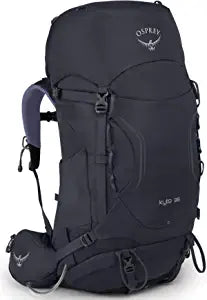
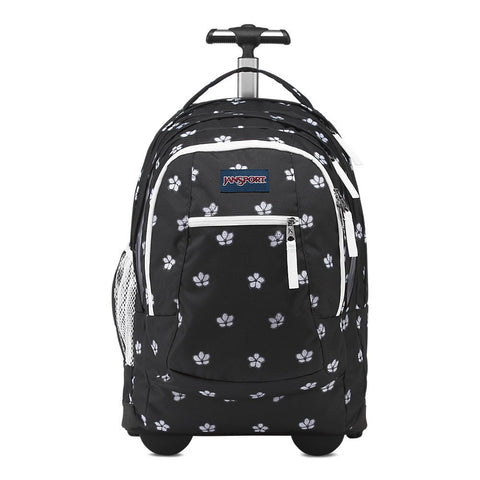


Tactical Backpacks
Tactical backpacks combine rugged construction, organized access, and modular features for everyday carry, work, hiking, travel, preparedness, and equipment transport. The right pack is not the one with the most webbing or the largest capacity. It is the smallest bag that fits the real load, fits the wearer, and remains manageable for the full route.
Read the Full Tactical Backpack Buying Guide ↓
Tactical Backpacks: Quick Buying Answer
Choose purpose and load first. Compact 15–25L packs suit daily essentials, 25–40L packs handle larger day loads and light overnights, and 40–55L packs serve bulky multi-day or preparedness equipment when the harness can support the weight. Verify torso fit, shoulder adjustment, access, construction, water strategy, and only the MOLLE attachments that solve a repeated problem.
As an Amazon Associate, we may earn from qualifying purchases.
What Makes a Backpack Tactical?
Tactical styling often includes abrasion-resistant fabric, reinforced handles and strap anchors, compression straps, organized compartments, hydration routing, and PALS-style webbing commonly marketed as MOLLE. Those features are useful only when their weight and layout support the intended job.
A backpack does not become comfortable, waterproof, or suitable for heavy loads because it is labeled tactical or military. Compare measurable specifications and current product photos. Look closely at the back panel, harness, hip belt, zipper paths, bottom corners, and interior seam finishing.
Choose Capacity From the Actual Load
| Capacity | Starting use | Typical limitation |
|---|---|---|
| 15–20L | Minimal EDC and short outings | Limited room for layers |
| 24–30L | Daily carry, work, and day hikes | Fills quickly with bulky gear |
| 37–40L | Large day load or light overnight | Needs better load control |
| 45–55L | Bulky multi-day or preparedness equipment | Easy to overload |
Liter ratings are not standardized perfectly across brands, and pocket layout changes usable space. Build the real packing list and use the tactical backpack size guide before adding volume merely for reserve capacity.
Fit and Suspension Matter More Than Padding
Thick shoulder straps can still create hot spots when the torso position is wrong or dense items sit far from the back. The pack should ride high and close without restricting head or arm movement. A sternum strap stabilizes the shoulder straps; a true load-bearing hip belt can transfer some weight on larger packs.
Test the complete load while walking. Place water, tools, and electronics near the back panel and use soft items farther out. External pouches should remain light enough that they do not pull the center of gravity backward.
MOLLE, Pockets, and Access
MOLLE-compatible webbing allows pouches to be woven onto the exterior. It works best for frequently accessed or transferable modules. Covering every row adds cost, weight, width, snag points, and inventory complexity. A clean setup often carries better than a heavily accessorized one.
Clamshell openings display the whole load and simplify travel packing. Top-loading designs preserve a simpler main compartment. Admin panels help organize small equipment but may reduce open cargo volume. Match the access pattern to how the bag will be used most often.
Materials and Weather Resistance
Nylon, polyester, ripstop, and branded fabrics such as Cordura appear in many tactical backpacks. Denier relates to yarn mass; it does not prove seam strength or total durability. Higher-denier fabric can resist abrasion but usually adds weight and stiffness.
Inspect reinforcement at shoulder straps, handles, compression straps, webbing rows, zipper ends, and bottom panels. Coated fabric may resist light rain, while ordinary seams, ports, and zippers remain entry points. Use internal dry protection or a cover for sensitive contents in sustained weather.
Match the Pack to the Use
Everyday carry benefits from a moderate profile, laptop protection, bottle access, and restrained organization. Hiking requires fit, hydration, ventilation, route-specific capacity, and rain planning. Preparedness bags need clear inventory, realistic lift weight, protected documents, and a rotation schedule. Air travel adds packed exterior measurements, controlled straps, accessible electronics, and a complete inspection of every compartment.
A specialized hiking backpack may carry long-distance loads more efficiently, while a tactical pack may organize tools and modular equipment better. Choose the design that serves the longest, heaviest, or most important part of the routine.
Complete Tactical Backpack Guide Library
- How to Choose a Tactical Backpack: Complete Buying Guide
- Best Tactical Backpack Features: What Reviews Should Compare
- Tactical Backpack Size Guide: 15L, 24L, 37L, 45L and 50L
- MOLLE Tactical Backpack Guide: Webbing, Pouches and Setup
- Tactical Backpacks for Everyday Carry, Work and Commuting
- Tactical Backpacks for Hiking and Camping: What to Look For
- How to Choose a Tactical Backpack for Emergency Preparedness
- Tactical Backpack vs Hiking Backpack: Which Is Better?
- Tactical Backpack Materials: Nylon, Polyester, Denier and Rain
- How to Fit and Load a Tactical Backpack for Better Comfort
- Can a Tactical Backpack Be a Carry-On? Airline and TSA Guide
- Oakley Tactical Backpack Review: Features, Fit and Best Uses
- 5.11 Tactical Backpacks Guide: RUSH Sizes, Features and Uses
- 5.11 RUSH24 Tactical Backpack Review (2026): Features, Size and Best Uses
- Samurai Tactical Wakizashi Backpack Review (2026): Is the 24L Pack Worth It?
Frequently Asked Questions
What size tactical backpack is best for everyday carry?
Many daily loads fit 20–30L, but the laptop, water, clothing, tools, and commute determine the correct size.
Are tactical backpacks waterproof?
Most are water-resistant rather than waterproof. Check current material, seam, and zipper details and protect sensitive contents separately.
What is MOLLE webbing used for?
It creates a grid for securely weaving compatible pouches and accessories onto the pack.
Can a tactical backpack be carry-on luggage?
Yes when the fully packed exterior dimensions and contents comply with the operating airline and security rules.
Final Buying Advice
Build the decision from purpose, load, capacity, and fit. Then compare access, materials, reinforcement, weather strategy, and modular features. Review the exact current listing before purchasing because dimensions, materials, accessories, and model generations can change.


