



Tactical Backpack vs Hiking Backpack: Which Is Better?
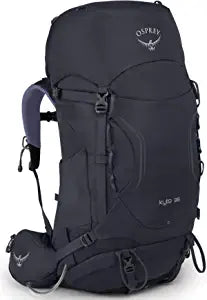
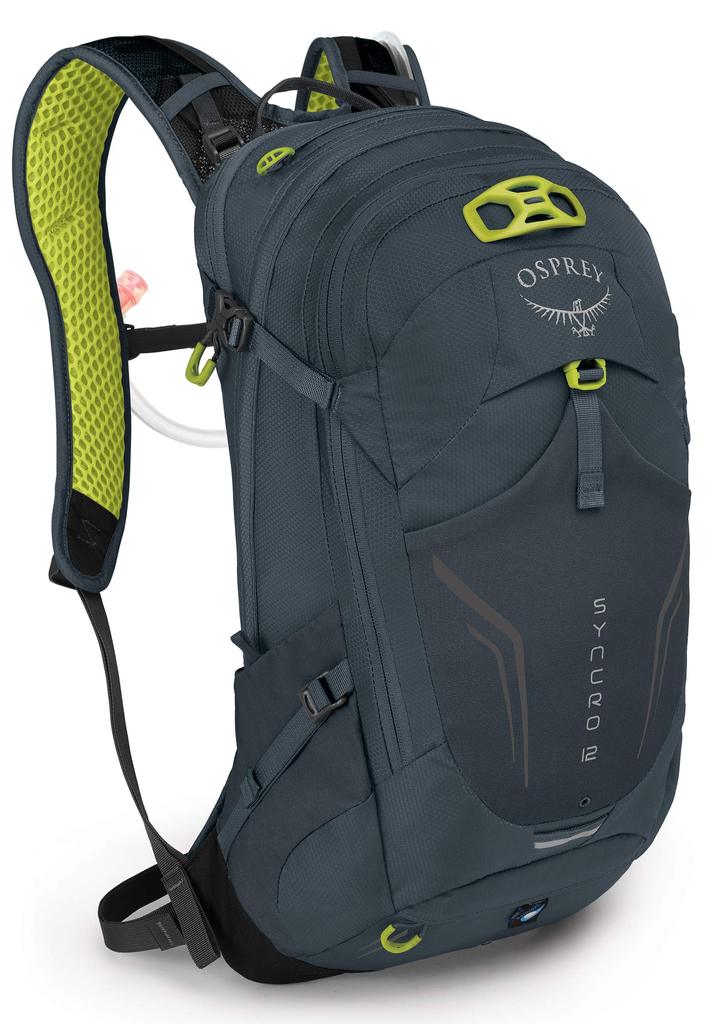
Tactical backpacks emphasize modular organization and rugged handling. Hiking backpacks usually emphasize lower weight, ventilation, and efficient movement over distance. Neither category owns comfort or durability.
Quick Comparison
Choose a tactical pack when compartment access, modular pouches, and rugged equipment organization lead. Choose a hiking pack when long-distance fit, low empty weight, ventilation, and load transfer lead. Compare specific models rather than category stereotypes.
As an Amazon Associate, we may earn from qualifying purchases.
Empty Weight
Dense fabric, admin panels, and webbing can make tactical packs heavier. Hiking designs often reduce hardware, though framed expedition packs can also be substantial.
Harness and Torso Fit
Many hiking packs offer torso sizing and shaped hip belts. Tactical packs vary widely; some have excellent harnesses while others rely on thick shoulder padding alone.
Organization Philosophy
Tactical bags divide equipment into pockets and modules. Hiking bags often use one main compartment plus selected access pockets to reduce weight.
External Attachment
MOLLE accepts standardized pouches. Hiking packs use compression straps, stretch pockets, and lash points. Both become unstable when dense items hang far from the back.
Weather and Abrasion
Tactical fabric may resist abrasion well, while hiking packs can pair lighter ripstop fabric with covers or dry bags. Seam and zipper design determine rain performance.
Use-Case Decision
A trail-focused trip usually favors hiking geometry. Work, equipment, or modular daily carry may favor tactical organization. Mixed use requires prioritizing the longest or heaviest activity.
Run the Same Load Through Both Designs
Pack identical water, clothing, food, first-aid supplies, and equipment into each candidate. Adjust both correctly and walk on stairs and uneven ground. Note shoulder pressure, hip-belt function, access, bounce, and heat rather than judging the empty bags.
The tactical model may win for compartment visibility and modular equipment. The hiking model may win for torso adjustment and lower weight. When one activity dominates the trip, its carrying demands should break the tie.
Related Tactical Backpack Guides
Explore current products in the Tactical Backpacks collection for the tactical-versus-hiking load.
- How to Choose a Tactical Backpack: Complete Buying Guide
- Can a Tactical Backpack Be a Carry-On? Airline and TSA Guide
- Best Tactical Backpack Features: What Reviews Should Compare
Tactical vs Hiking Backpack FAQs
Which is more durable?
It depends on fabric, construction, hardware, and use rather than category name.
Which is more comfortable?
The one that fits the torso and transfers the actual load correctly.
Can I hike with a tactical backpack?
Yes when fit, weight, hydration, and weather protection suit the route.
Can a hiking pack use MOLLE pouches?
Only if it has compatible webbing; other lash systems may work better.
Build a real-world requirements sheet
For crossover-pack shoppers, a useful evaluation begins with the people and situations the bag must serve: buyers who need one pack for work, travel, preparedness or trails and are comparing two different design priorities. In this tactical-versus-hiking evaluation, write down the three most frequent trips or tasks, the time the pack stays on the body, and the places where it must fit. During tactical-versus-hiking testing, that short requirements sheet gives every later feature a purpose. From the perspective of crossover-pack shoppers, it also keeps an attractive product photo or an unusually long specification list from taking control of the decision.
Translate specifications into daily performance
In the completed tactical-versus-hiking setup, when comparing the tactical-versus-hiking backpack decision, pay particular attention to how each design uses its stated volume and controls a partly filled load. For a practical review by crossover-pack shoppers, published volume is helpful for narrowing a search, but it cannot describe pocket shape, padding thickness, curved corners or the space lost to organizers. Within the tactical-versus-hiking checklist, exterior measurements matter in vehicles, lockers and aircraft, while interior measurements determine whether rigid or awkward objects fit. Under realistic tactical-versus-hiking conditions, compare both instead of treating liters as the complete answer.
Use a repeatable loaded test
For crossover-pack shoppers weighing tradeoffs, good organization is not the greatest number of pockets. In a repeatable tactical-versus-hiking trial, for this topic, examine fixed tactical compartments and modular webbing versus open hiking storage and trail-access pockets. Before crossover-pack shoppers make a choice, place frequently used items where they can be reached without disturbing the main load. After assembling the tactical-versus-hiking load, separate liquids from electronics, keep sharp objects away from soft gear, and avoid filling every pocket simply because it exists. For crossover-pack shoppers, an understandable layout saves time and makes missing equipment easier to notice.
Understand the most important tradeoff
In this tactical-versus-hiking evaluation, a backpack should be judged after it carries realistic weight. During tactical-versus-hiking testing, focus on structured organization versus ventilation, torso sizing and hip-belt load transfer. From the perspective of crossover-pack shoppers, begin with every strap loose, center the load, tighten the shoulder straps evenly, and then position the sternum strap without restricting breathing. In the completed tactical-versus-hiking setup, walk long enough for pressure and heat to appear. For a practical review by crossover-pack shoppers, a bag that feels comfortable for two minutes in a bedroom may behave differently after stairs, turns and a longer commute.
Inspect the details before ordering
Within the tactical-versus-hiking checklist, durability is a system rather than one fabric number. Under realistic tactical-versus-hiking conditions, inspect dense abrasion-resistant shells versus lighter technical fabrics selected for trail efficiency. For crossover-pack shoppers weighing tradeoffs, look at the places where force changes direction: strap anchors, zipper ends, compression points and the base of the carry handle. In a repeatable tactical-versus-hiking trial, smooth hardware operation and tidy reinforcement are more informative than dramatic claims. Before crossover-pack shoppers make a choice, even a rugged shell cannot compensate for a poorly routed strap or a zipper that is continually forced around an overfilled corner.
Plan the packing layout
After assembling the tactical-versus-hiking load, create the test around the heaviest realistic day for each intended activity. For crossover-pack shoppers, pack each item in its intended place and weigh the finished bag rather than estimating. In this tactical-versus-hiking evaluation, then open the compartments in the order they would be used. During tactical-versus-hiking testing, if one essential item requires unloading half the pack, change the layout. From the perspective of crossover-pack shoppers, if the finished load pulls away from the body, move dense objects inward or remove things that do not serve the stated purpose.
Prevent avoidable wear
In the completed tactical-versus-hiking setup, one mistake deserves special attention: deciding by appearance while ignoring how long the bag will be worn and where the weight must sit. For a practical review by crossover-pack shoppers, marketing naturally highlights capability, so the shopper has to identify the cost of that capability in weight, complexity, bulk or price. Within the tactical-versus-hiking checklist, ask how often each specialized feature will solve a real problem. Under realistic tactical-versus-hiking conditions, features used every week can justify their cost; features reserved for an unlikely scenario often make the normal experience worse.
Recognize when another design is better
For crossover-pack shoppers weighing tradeoffs, before relying on the setup, pack the same gear in both styles and compare access, balance, heat and shoulder pressure over a timed walk. In a repeatable tactical-versus-hiking trial, record what moves, rubs, rattles or takes too long to reach. Before crossover-pack shoppers make a choice, repeat the test after making one change at a time so the improvement is clear. After assembling the tactical-versus-hiking load, this method is more reliable than endlessly comparing review scores because it connects the backpack to the user’s own body, equipment and route.
A practical final decision process
For crossover-pack shoppers, ownership continues after the purchase. In this tactical-versus-hiking evaluation, to protect the bag, maintain either design according to its materials rather than assuming tougher-looking fabric needs no care. During tactical-versus-hiking testing, do not store it damp or loaded with unnecessary weight. From the perspective of crossover-pack shoppers, check zipper tracks and strap anchors during normal cleaning, and address grit or loose threads early. In the completed tactical-versus-hiking setup, simple maintenance preserves coatings, prevents odors and makes it less likely that a small issue becomes a failure during an important trip.
Scenario planning for the tactical-versus-hiking backpack decision
For a practical review by crossover-pack shoppers, imagine the complete sequence rather than only the moment the backpack is worn. Within the tactical-versus-hiking checklist, consider where the tactical-versus-hiking backpack decision will be stored, how it will be lifted, whether it must pass through narrow spaces, and what must be reached first. Under realistic tactical-versus-hiking conditions, practice transitions such as moving from a vehicle to walking, from rain to shelter, or from a work setting to travel. For crossover-pack shoppers weighing tradeoffs, these transitions reveal loose straps, inaccessible pockets and unnecessary equipment that a static packing test misses.
Questions to ask before committing
- In a repeatable tactical-versus-hiking trial, does the packed size match the places where it must fit?
- Before crossover-pack shoppers make a choice, can the intended user carry the complete weight without pain or instability?
- After assembling the tactical-versus-hiking load, are the most important items reachable in the correct order?
- For crossover-pack shoppers, do the materials and closures match the expected weather and abrasion?
- In this tactical-versus-hiking evaluation, is every exterior attachment necessary and secured?
- During tactical-versus-hiking testing, can the bag be cleaned, inspected and maintained easily?
From the perspective of crossover-pack shoppers, who should choose a different option?
In the completed tactical-versus-hiking setup, choose tactical for repeatable organization and modular access; choose hiking for sustained movement and fitted load carrying. For a practical review by crossover-pack shoppers, that is not a criticism of the category; it is a reminder that specialized designs create specialized strengths. Within the tactical-versus-hiking checklist, a buyer who needs a different suspension, a quieter professional appearance, less empty weight or simpler access should compare adjacent backpack styles before ordering. Under realistic tactical-versus-hiking conditions, the better purchase is the bag that performs the routine task with the fewest compromises.
Final practical takeaway
For crossover-pack shoppers weighing tradeoffs, neither category is universally better because the harness and access priorities differ. In a repeatable tactical-versus-hiking trial, use the measurements and checklist above, verify the current product listing, and make the decision with a complete load in mind. Before crossover-pack shoppers make a choice, a thoughtful evaluation produces a pack that is easier to carry, faster to use and more likely to remain useful after the excitement of a new purchase has passed.
Hybrid use: where compromise becomes visible
For crossover-pack shoppers, a tactical pack used occasionally on short trails may be perfectly practical, especially when the owner values compartmental organization. In this tactical-versus-hiking evaluation, a hiking pack used for travel may also work well when low weight and carrying comfort matter more than laptop organization. During tactical-versus-hiking testing, the compromise becomes costly when the secondary activity turns into the primary one. From the perspective of crossover-pack shoppers, reevaluate the category if trail mileage, duty equipment or air travel frequency increases.
In the completed tactical-versus-hiking setup, compare total system weight, not only empty pack weight. For a practical review by crossover-pack shoppers, exterior tactical pouches and hiking accessories both add ounces and complexity. Within the tactical-versus-hiking checklist, load each candidate with the same essentials, remove category-specific extras and walk the same route. Under realistic tactical-versus-hiking conditions, the difference in ventilation, access and balance will be clearer than it is on a product page. For crossover-pack shoppers weighing tradeoffs, choose based on the activity that places the greatest physical demand on the user.
Reassess the setup after real use
For crossover-pack shoppers, recheck the category decision when one activity becomes more frequent. In this tactical-versus-hiking evaluation, more trail mileage strengthens the case for hiking suspension, while more equipment-driven work strengthens the case for tactical organization. During tactical-versus-hiking testing, keep a short note of what was carried, how long the bag was worn and which adjustment or pocket change helped. From the perspective of crossover-pack shoppers, real ownership feedback is more valuable than memory because it separates recurring problems from a single unusual day.
In the completed tactical-versus-hiking setup, do not wait for a failure to make the review. For a practical review by crossover-pack shoppers, inspect the base, handle, strap anchors, buckles and zipper curves while the bag is empty and clean. Within the tactical-versus-hiking checklist, then repack only the equipment that still has a defined purpose. Under realistic tactical-versus-hiking conditions, this routine keeps the load intentional, catches wear early and makes the backpack easier to trust when it is needed.
Final Verdict on Tactical vs Hiking Packs
Choose tactical organization for equipment access and modularity; choose hiking geometry for distance and efficient carry. Specific fit under load should settle a close decision.
Sample Block Quote
Praesent vestibulum congue tellus at fringilla. Curabitur vitae semper sem, eu convallis est. Cras felis nunc commodo loremous convallis vitae interdum non nisl. Maecenas ac est sit amet augue pharetra convallis nec danos.
Sample Paragraph Text
Praesent vestibulum congue tellus at fringilla. Curabitur vitae semper sem, eu convallis est. Cras felis nunc commodo eu convallis vitae interdum non nisl. Maecenas ac est sit amet augue pharetra convallis nec danos dui.
Cras suscipit quam et turpis eleifend vitae malesuada magna congue. Damus id ullamcorper neque. Sed vitae mi a mi pretium aliquet ac sed elitos. Pellentesque nulla eros accumsan quis justo at tincidunt lobortis denimes loremous. Suspendisse vestibulum lectus in lectus volutpat, ut dapibus purus pulvinar. Vestibulum sit amet auctor ipsum.
Praesent vestibulum congue tellus at fringilla. Curabitur vitae semper sem, eu convallis est. Cras felis nunc commodo eu convallis vitae interdum non nisl. Maecenas ac est sit amet augue pharetra convallis nec danos dui.
Cras suscipit quam et turpis eleifend vitae malesuada magna congue. Damus id ullamcorper neque. Sed vitae mi a mi pretium aliquet ac sed elitos. Pellentesque nulla eros accumsan quis justo at tincidunt lobortis denimes loremous. Suspendisse vestibulum lectus in lectus volutpat, ut dapibus purus pulvinar. Vestibulum sit amet auctor ipsum.
