


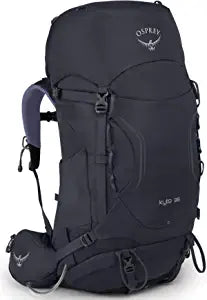
Backpacks: Complete 2026 Buying, Size, Fit & Use Guide
Backpacks are one of the most versatile pieces of everyday gear, but choosing the right one gets much easier once you separate the decision into use, size, fit, materials, organization, and the specific items you need to carry. A school backpack, travel backpack, hiking pack, laptop backpack, rolling backpack, and anti-theft backpack can all look similar at first glance while solving completely different problems.
This page is the main Backpacks4Less Backpack Authority Hub. Use it to move from broad research into the exact guide or collection that matches your needs. If you are ready to shop, browse the full Backpacks collection. If you are still researching, start with Best Backpacks 2026: How to Choose the Right Backpack, Types of Backpacks, or the 15-Feature Backpack Buying Guide.
Quick Answer: Choose the smallest backpack that comfortably fits your normal load, then verify fit, strap comfort, device protection, material, zipper quality, weather resistance, and organization. For many school, college, work, and commuting uses, roughly 20–30 liters is a practical starting range. Travel, hiking, rolling, kids, and specialty backpacks require more specific sizing and fit checks.
Start Here: Choosing the Right Backpack
If you are not yet sure what kind of backpack you need, begin with these broad guides. They cover the main buying decisions before you narrow into a specialized category.
- Best Backpacks 2026: How to Choose the Right Backpack
- Types of Backpacks: Complete Guide to Every Backpack Style
- Backpack Buying Guide: 15 Features That Actually Matter
- How Much Should a Good Backpack Cost?
- How Long Should a Backpack Last?
- How to Choose a Backpack Online Without Trying It On
- Backpack vs Messenger Bag vs Tote
- Backpack vs Duffel Bag
For a broader brand-level comparison, see the Best Backpack Brands: Complete 2026 Guide.
School & College Backpacks
School and college backpacks need to balance book capacity, laptop protection, organization, and all-day comfort. Younger students need smaller proportions, while older students may carry heavier textbooks, binders, and larger devices.
- Best Backpacks for School: Elementary Through High School
- Best College Backpacks: Laptop, Books & Campus Comfort
- What Size Backpack Is Best for School?
- What Size Backpack Is Best for College?
- Best Backpacks for Heavy Textbooks
- Best School Backpacks with Laptop Compartments
- Best Backpacks for Middle School Students
- Best Backpacks for High School Students
- How Heavy Should a School Backpack Be?
- How to Organize a School Backpack for Classes
- Best Backpacks for Teachers
Shop the main School Backpacks, College Backpacks, and Laptop Backpacks collections.
Laptop, Work & Commuter Backpacks
Laptop and work backpacks should protect technology without becoming unnecessarily bulky. Device fit, padding, secure storage, strap comfort, and commute style matter more than pocket count alone.
- Best Laptop Backpacks: Protection, Fit & Organization Guide
- Laptop Backpack Size Guide: 13, 14, 15.6, 16 & 17 Inch
- How Should a Laptop Fit Inside a Backpack?
- Laptop Backpack vs Regular Backpack
- Best Backpacks for Work and Office Commuting
- Best Women's Backpacks for Work
- Best Commuter Backpacks for Walking, Train & Bus Travel
- Best Backpacks for Two Laptops and Multiple Devices
- How Much Padding Does a Laptop Backpack Need?
- USB Charging Backpacks: How They Work & What to Buy
- TSA-Friendly Laptop Backpacks: What Lay-Flat Really Means
- Best Backpacks for Remote Workers & Digital Nomads
- Backpack vs Briefcase for Work
- Best Backpacks for Long Commutes
- Work Backpack Size Guide: 15L, 20L, 25L & 30L
Shop Laptop Backpacks, 17-Inch Laptop Backpacks, and Business Laptop Backpacks.
Travel Backpacks
Travel backpack shopping should begin with exterior dimensions and the trip, not just liters. Airline carry-on and personal-item rules can change, and soft backpacks can grow beyond their listed dimensions when overpacked.
- Best Travel Backpacks: Carry-On, Weekend & One-Bag Guide
- How to Choose a Carry-On Travel Backpack
- Travel Backpack Size Guide: 20L, 30L, 35L, 40L & 45L
- Is a 40L Backpack Carry-On Size?
- Personal Item Backpack vs Carry-On Backpack
- Backpack vs Carry-On Suitcase for Air Travel
- Best Backpacks for Weekend Trips
- Best Backpacks for International Travel
- How to Pack a Backpack for Air Travel
- Men's vs Women's Travel Backpacks: Fit & Differences
- Backpack as a Personal Item: Airline Size & Underseat Guide
- Clamshell vs Top-Loading Travel Backpack
- 30L vs 40L Travel Backpack
Shop Travel Backpacks and return to the full Backpacks collection when you are ready to compare products.
Hiking & Outdoor Backpacks
Hiking packs need to match trip length, gear volume, torso length, and total load. The heavier the pack, the more important frame design, torso fit, and load transfer become.
- Best Hiking Backpacks: Day Hikes to Multi-Day Trips
- Hiking Backpack Size Guide: 10L to 70L
- Daypack vs Hiking Backpack
- How Should a Hiking Backpack Fit?
- How to Measure Torso Length for a Backpack
- Hip Belt vs No Hip Belt
- Sternum Straps Explained
- Best Lightweight Backpacks for Hiking & Travel
- How to Pack a Hiking Backpack for Better Weight Distribution
- Internal Frame vs Frameless Backpacks
Shop Hiking Backpacks, Hydration Backpacks, and Lightweight Backpacks.
Kids Backpacks
Kids backpacks should be sized around the child's torso and school requirements. A bag can hold the supplies and still be too large for the child wearing it.
- Kids Backpack Size Guide by Age
- Best Preschool Backpacks
- Best Kindergarten Backpacks
- Elementary School Backpack Size Guide
- Best Rolling Backpacks for Kids
- How Should a Child's Backpack Fit?
- Backpacks for Small Kids: Strap & Torso Fit Guide
- Kids Backpack vs Rolling Backpack
- What Should Kids Carry in Their School Backpack?
- How to Make a School Backpack More Comfortable for a Child
Shop Kids Backpacks and Rolling Backpacks.
Rolling Backpacks
Rolling backpacks work best when the route allows the bag to stay on its wheels most of the time. Wheels and telescoping handles add weight, so stairs and frequent lifting change the equation.
- Rolling Backpack Buying Guide
- Rolling Backpack vs Regular Backpack
- Rolling Backpack vs Rolling Luggage
- Best Rolling Backpacks for School
- Best Rolling Backpacks for Travel
- Rolling Backpack Size Guide
- How Tall Should a Rolling Backpack Handle Be?
- Single Wheels vs Double Wheels
- Can Rolling Backpacks Be Used as Carry-Ons?
- How to Clean and Maintain Rolling Backpack Wheels
Shop the Rolling Backpacks collection.
Security, Anti-Theft & Clear Backpacks
Security-oriented backpacks add friction to unauthorized access. Clear backpacks solve a different problem: visibility and compliance with specific school, workplace, stadium, or event rules.
- Best Anti-Theft Backpacks: Security Feature Buying Guide
- How Do Anti-Theft Backpacks Work?
- Locking vs Hidden vs Slash-Resistant Backpacks
- Do RFID Backpack Pockets Actually Matter?
- Best Backpacks for Crowded Cities & Public Transportation
- Clear Backpack Buying Guide
- Heavy-Duty Clear Backpacks
- Clear Backpack vs Mesh Backpack
- Are Clear Backpacks Waterproof?
- How to Keep Valuables Safe Inside a Backpack While Traveling
Shop Anti-Theft Backpacks and Clear Backpacks.
Backpack Sizes & Fit
Liters tell you how much volume a backpack has, but dimensions and fit determine whether the bag works for your body, laptop, binder, airline, or trip.
- Backpack Size Guide: Liters, Dimensions & Real-World Capacity
- What Do Backpack Liters Mean?
- 20L vs 25L vs 30L Backpack
- 30L vs 40L Backpack
- How to Measure a Backpack's Dimensions Correctly
- How Much Fits in a 20L Backpack?
- How Much Fits in a 30L Backpack?
- How Much Fits in a 40L Backpack?
- How Should Backpack Shoulder Straps Fit?
- How to Adjust a Backpack for Better Comfort & Weight Distribution
Materials, Waterproofing & Care
Fabric name alone does not tell you whether a backpack is durable or waterproof. Denier, coatings, weave, seams, zippers, and construction all influence real-world performance.
- Backpack Materials Guide: Nylon vs Polyester vs Canvas vs Leather
- Nylon vs Polyester Backpacks
- Waterproof vs Water-Resistant Backpacks
- What Does Backpack Denier Mean?
- Are Canvas Backpacks Durable & Water Resistant?
- Leather Backpacks: Pros, Cons, Care & Buying Guide
- How to Wash a Backpack Without Damaging It
- Can You Put a Backpack in the Washing Machine?
- How to Remove Odors & Stains From a Backpack
- How to Make a Backpack Last Longer
Shop Leather Backpacks, Waterproof Backpacks, and Lightweight Backpacks.
Shop Backpacks by Use
If you already know the kind of bag you need, go directly to the relevant commercial collection:
- All Backpacks
- School Backpacks
- College Backpacks
- Laptop Backpacks
- Travel Backpacks
- Hiking Backpacks
- Rolling Backpacks
- Kids Backpacks
- Anti-Theft Backpacks
- Clear Backpacks
- Leather Backpacks
- Waterproof Backpacks
- Mini Backpacks
- Designer Backpacks
- Lightweight Backpacks
Backpack Buying Checklist
- Define the main use before choosing a brand.
- Measure the largest item you must carry.
- Choose the smallest capacity that fits your normal load.
- Compare liters and exterior dimensions together.
- Verify laptop sleeve dimensions separately from backpack capacity.
- Check shoulder-strap shape and adjustment range.
- For hiking and heavy loads, verify torso fit and hip-belt function.
- Choose a pocket layout that matches the way you actually pack.
- Inspect zippers, strap seams, grab handles, and the bottom panel.
- Match materials and weather protection to your real environment.
- Consider empty backpack weight before adding your gear.
- Do not assume “waterproof,” “carry-on,” or “fits 17-inch laptops” without checking the details.
Frequently Asked Questions About Backpacks
What is the best all-around backpack size?
For many adults, roughly 20–30 liters is the most versatile everyday range because it can handle school, work, commuting, and light travel without becoming excessively bulky. The ideal size still depends on body size and what you carry.
What backpack size is best for school?
School backpack size should follow the student's torso and required materials. Younger children often need compact bags, while middle-school and high-school students may need more room for laptops, binders, and textbooks.
What backpack is best for a laptop?
Choose a backpack with a padded compartment that fits the actual laptop width, height, and thickness. Screen size alone does not guarantee fit.
Are backpacks good for travel?
Yes. Travel backpacks can work especially well for stairs, public transportation, and one-bag trips. Airline compliance depends on packed exterior dimensions, not liters alone.
Do hiking backpacks need a hip belt?
Light daypacks may not need one. Heavier multi-day hiking loads benefit from a properly fitted load-bearing hip belt.
Are rolling backpacks better for heavy loads?
They can reduce shoulder carrying when the route is mostly flat, but wheels and handles add weight when the bag must be lifted or carried on stairs.
Are waterproof backpacks really waterproof?
Some are, but most everyday bags are better described as water resistant. True waterproof performance depends on fabric, seams, zippers, and closure construction together.
How long should a backpack last?
There is no fixed lifespan. Construction quality, load weight, frequency of use, abrasion, zipper care, washing, and storage all affect longevity.
Final Verdict
The best backpack is the one that fits your body, carries your normal load comfortably, protects the important items inside, and uses features that solve real problems for you. Start with the main use and capacity, then narrow by fit, materials, organization, laptop protection, travel requirements, and budget.
Use this page as the central research hub, then move into the relevant specialty guide or collection. When you are ready to shop, browse the full Backpacks collection to compare current options across school, laptop, travel, hiking, rolling, kids, anti-theft, fashion, and everyday backpack styles.
