


How to Choose a Backpack Online Without Trying It On
Buying a backpack online is convenient, but it removes the easiest test: putting the bag on your shoulders and loading it with your own gear. You can still make a strong decision if you replace the in-store try-on with a disciplined measurement and comparison process.
Quick Answer: Before buying a backpack online, measure the largest items you carry, estimate your normal load, compare exterior dimensions and liters, check laptop sleeve measurements, review shoulder-strap and torso fit information, inspect the return policy, and read product details for materials, zippers, organization, and empty weight. Never rely on a product photo alone.
This guide is part of the Backpacks Hub. If you are still deciding what category you need, start with our types of backpacks guide or browse the full Backpacks collection.
Step 1: Define the Backpack's Main Job
Online shopping becomes much easier when you eliminate bags built for the wrong purpose. Decide whether the backpack is mainly for school, college, work, commuting, travel, hiking, sports, a child, or everyday carry.
A travel backpack can have excellent reviews and still be a poor school bag. A technical hiking pack can be durable but unnecessarily heavy for a short office commute. Use case comes first.
Step 2: Measure the Largest Item You Carry
Do not begin with the backpack. Begin with the contents. Measure your laptop, binder, folder, textbook, camera insert, lunch container, shoes, or other item that must fit.
This is especially important for laptops. Screen size is measured diagonally and does not describe the full body of the computer. Two 15-inch laptops can have different widths and depths. Compare actual device dimensions to the usable sleeve dimensions whenever the seller provides them.
Our laptop backpack size guide explains the process.
Step 3: Estimate Your Normal Load
Think about what you carry on an ordinary day, not the rare day when the bag is packed to its absolute maximum. A backpack that fits your normal load comfortably is usually better than a much larger bag that stays half empty.
List the typical contents and estimate their combined weight. If the load is heavy, strap design, back-panel support, and possibly a hip belt should receive more attention.
Step 4: Compare Liters and Dimensions Together
Liters describe volume, while dimensions describe shape. You need both. A tall narrow 25-liter bag and a short deep 25-liter bag can fit completely different items.
Exterior dimensions are essential for air travel and helpful for body fit. Capacity is useful for general comparison but should never be treated as a guarantee that a specific object will fit.
See our backpack size guide for a full capacity breakdown.
Step 5: Compare the Backpack to Your Torso
For everyday backpacks, manufacturers may not provide torso-size ranges, but you can still compare the bag's back-panel length to backpacks you already own. Measure a bag that fits you well from the top of the shoulder area to the bottom and compare it with the online dimensions.
For larger hiking packs, torso length is much more important. Look for manufacturer sizing charts, adjustable harness ranges, and hip-belt sizing.
Our torso measurement guide explains how to measure your body for hiking-style fit.
Step 6: Study Shoulder Straps, Not Just Padding
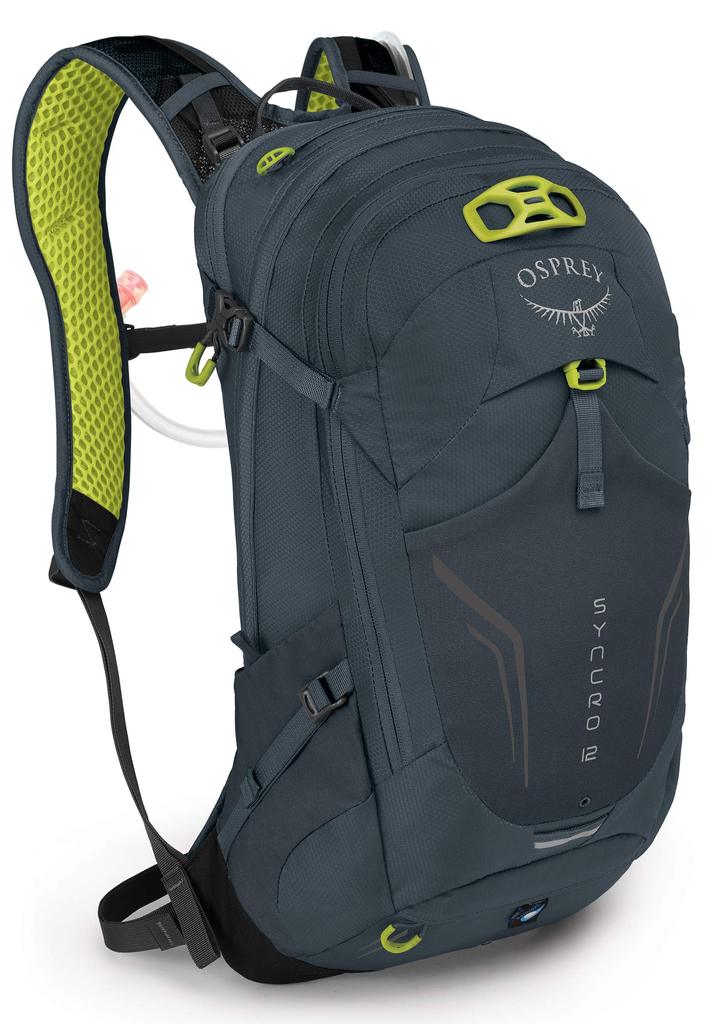
Product photos can reveal strap width, curvature, attachment points, sternum straps, and adjustment range. Look for straps that appear proportional to the load the backpack is designed to carry.
Thick padding is not automatically better. Dense supportive foam, good strap shape, and secure stitching matter more than exaggerated softness.
Step 7: Inspect the Back Panel
Zoom into product photos when possible. Is the back panel flat fabric, padded foam, molded channels, or suspended mesh? A school or laptop bag should have enough structure that hard contents do not press directly into the back. A hiking pack may need more sophisticated ventilation and load support.
For warm-weather commuting, ventilation is useful, but fit and load stability should still come first.
Step 8: Read the Pocket Layout Carefully
Count the main compartments and identify what each is actually sized to hold. Marketing descriptions may say “multiple pockets” without explaining whether those pockets are useful for your items.
Look for interior photos. A backpack with many small organizer slots may have less open space for bulky gear. A single large compartment may be flexible but require pouches for small accessories.
Our backpack organization guide can help you decide what layout matches your routine.
Step 9: Check the Laptop Compartment Position
A laptop sleeve against the back panel generally keeps the device close to your center of gravity. Check whether the sleeve is padded on the bottom and sides and whether it closes securely.
If you travel frequently, a separate laptop compartment can make access easier. For school, a protected internal sleeve may be enough.
Step 10: Look at Zippers and Stress Points
Use close-up photos to inspect zipper size, pulls, stitching, grab handles, shoulder-strap attachment points, and the bottom panel. These areas see repeated stress and can reveal whether the backpack is designed for light or heavy use.
Our backpack durability guide explains the most common wear points.
Step 11: Read the Material Description
Terms such as nylon, polyester, canvas, leather, 600D, coated fabric, and water-resistant are more useful when you understand what they mean. Fiber type alone does not determine durability, but it helps you compare weight, care, and likely use.
Read our backpack materials guide before comparing unfamiliar fabrics.
Step 12: Treat Water-Resistance Claims Carefully
A seller may describe a backpack as water-resistant, waterproof, weatherproof, or coated. These terms are not interchangeable. Even strong waterproof fabric can allow water through untreated zippers or seams.
If you carry electronics in rain, look for specific construction details rather than relying on one marketing word. Our weather protection guide explains the distinction.
Step 13: Check Empty Weight
A backpack's empty weight becomes part of every load. Highly structured travel, tactical, and camera bags can be heavy before you pack anything. If you already carry a heavy laptop or books, an unnecessarily heavy bag can make the total load uncomfortable.
Lightweight construction is valuable, but do not sacrifice the support or protection your use requires.
Step 14: Use Reviews for Fit Patterns, Not Universal Truth
User reviews are useful when several people mention the same concrete issue: bottle pockets are too shallow, shoulder straps slip, a laptop sleeve runs small, or a zipper catches at a specific corner.
Be cautious with statements such as “too small” or “perfect size” unless the reviewer explains what they carried or their body size. Fit is personal.
Step 15: Read the Return Policy Before Ordering
Even careful measurement cannot completely replace trying on a backpack. A reasonable return policy is part of online fit strategy. Check return deadlines, condition requirements, shipping costs, restocking terms, and whether the seller is authorized if warranty coverage matters.
How to Compare Two Backpacks Online
Create a simple side-by-side list with capacity, dimensions, empty weight, laptop sleeve size, strap design, back panel, main access, pocket layout, bottle storage, fabric, weather resistance, warranty, and price.
Then mark the features that matter to your routine. Our 15-feature buying guide gives you a ready-made framework.
Red Flags When Shopping Online
- No exterior dimensions
- No explanation of laptop sleeve size
- Only one distant product photo
- Contradictory capacity claims
- “Waterproof” with no construction details
- No return information
- Photos that do not show shoulder straps or back panel
- Very high claimed capacity in a visibly compact bag
- Reviews that repeatedly mention zipper or seam failure
Choosing Online for School
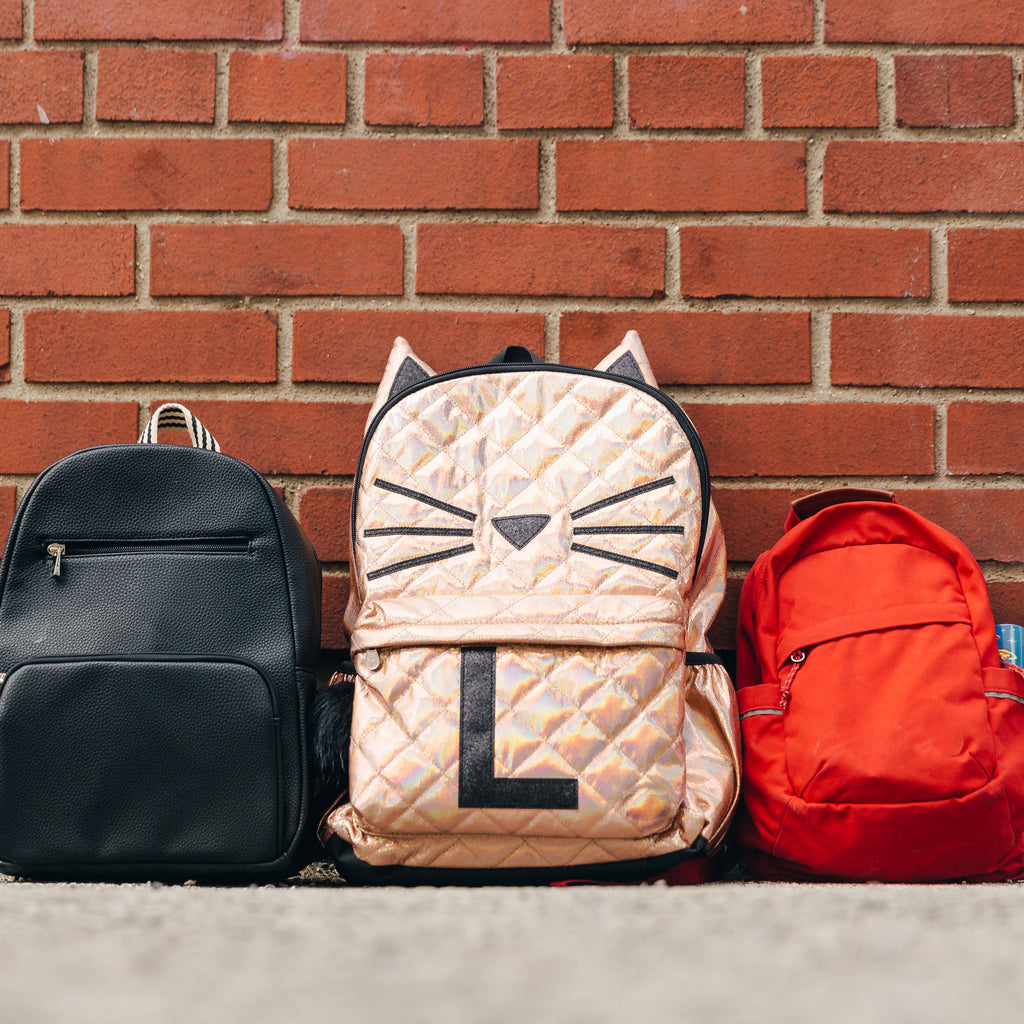
Measure the student's laptop or tablet, largest binder, and lunch container. Compare backpack length and width to the student's torso, especially for younger children. Avoid buying a very large bag just to “grow into” if it hangs far below the back.
See our school backpack guide for grade-specific needs.
Choosing Online for Travel
Check airline dimensions first, then compare pack capacity and opening style. A clamshell opening, compression straps, laptop access, and secure zippers can improve travel use. Do not assume a bag marketed as carry-on compliant will meet every airline's current rules.
Use our travel backpack guide for the full process.
Choosing Online for Hiking
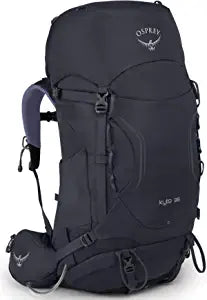
Torso fit, hip-belt sizing, frame type, load rating, and return policy matter more than color or pocket count. Manufacturer fit charts are especially important. If possible, load the backpack at home and test it indoors before removing tags or packaging required for return.
Frequently Asked Questions
Can you accurately choose a backpack without trying it on?
You can reduce the risk substantially by measuring your body and gear, but comfort is personal. A good return policy remains important, especially for hiking or heavy-load packs.
Should I buy a backpack one size larger online?
Not automatically. Buy the capacity and dimensions that match your normal load. Oversizing can create poor fit and encourage overpacking.
How do I know if my laptop will fit?
Compare the laptop's actual width, height, and thickness with the usable sleeve dimensions. Screen size alone is not enough.
Are online backpack reviews reliable?
They are most useful for repeated concrete patterns rather than personal opinions about size or comfort. Look for reviewers who describe their load and use case.
Final Verdict
Choosing a backpack online is a measurement problem before it is a style problem. Define the use, measure your gear, compare dimensions and liters, evaluate fit and straps, inspect materials and hardware, and confirm the return policy. That process gets much closer to an in-person decision than simply choosing the bag with the best photos.
Continue through the Backpacks Hub or browse the Backpacks collection when you are ready to compare options.
Sample Block Quote
Praesent vestibulum congue tellus at fringilla. Curabitur vitae semper sem, eu convallis est. Cras felis nunc commodo loremous convallis vitae interdum non nisl. Maecenas ac est sit amet augue pharetra convallis nec danos.
Sample Paragraph Text
Praesent vestibulum congue tellus at fringilla. Curabitur vitae semper sem, eu convallis est. Cras felis nunc commodo eu convallis vitae interdum non nisl. Maecenas ac est sit amet augue pharetra convallis nec danos dui.
Cras suscipit quam et turpis eleifend vitae malesuada magna congue. Damus id ullamcorper neque. Sed vitae mi a mi pretium aliquet ac sed elitos. Pellentesque nulla eros accumsan quis justo at tincidunt lobortis denimes loremous. Suspendisse vestibulum lectus in lectus volutpat, ut dapibus purus pulvinar. Vestibulum sit amet auctor ipsum.
Praesent vestibulum congue tellus at fringilla. Curabitur vitae semper sem, eu convallis est. Cras felis nunc commodo eu convallis vitae interdum non nisl. Maecenas ac est sit amet augue pharetra convallis nec danos dui.
Cras suscipit quam et turpis eleifend vitae malesuada magna congue. Damus id ullamcorper neque. Sed vitae mi a mi pretium aliquet ac sed elitos. Pellentesque nulla eros accumsan quis justo at tincidunt lobortis denimes loremous. Suspendisse vestibulum lectus in lectus volutpat, ut dapibus purus pulvinar. Vestibulum sit amet auctor ipsum.
