


How Long Should a Backpack Last? Durability Guide
There is no single lifespan that applies to every backpack. A lightly used daypack can last for many years, while a heavily loaded school or work backpack may show wear much sooner. Durability depends on materials, zipper quality, stitching, load weight, frequency of use, abrasion, weather exposure, washing habits, and how the bag is stored.
Quick Answer: A well-made backpack used within its intended load can often last several years. Daily school, commuting, and travel use is much harder on a bag than occasional weekend use. Zippers, shoulder-strap attachment points, bottom panels, grab handles, and fabric corners are the most common areas to inspect when judging how long a backpack is likely to last.
This guide is part of the Backpacks Hub. If you are still choosing a bag, our backpack buying guide explains the construction details worth checking before purchase.
What Determines Backpack Lifespan?
Backpack lifespan is a combination of build quality and use. A durable bag can fail early if it is constantly overloaded, dragged across rough surfaces, stored wet, or forced closed with strained zippers. A basic backpack can last surprisingly long when it carries light loads and is treated carefully.
The most useful question is not “How many years will this backpack last?” but “Is this backpack built for the load and environment I will use it in?”
Daily Use vs Occasional Use
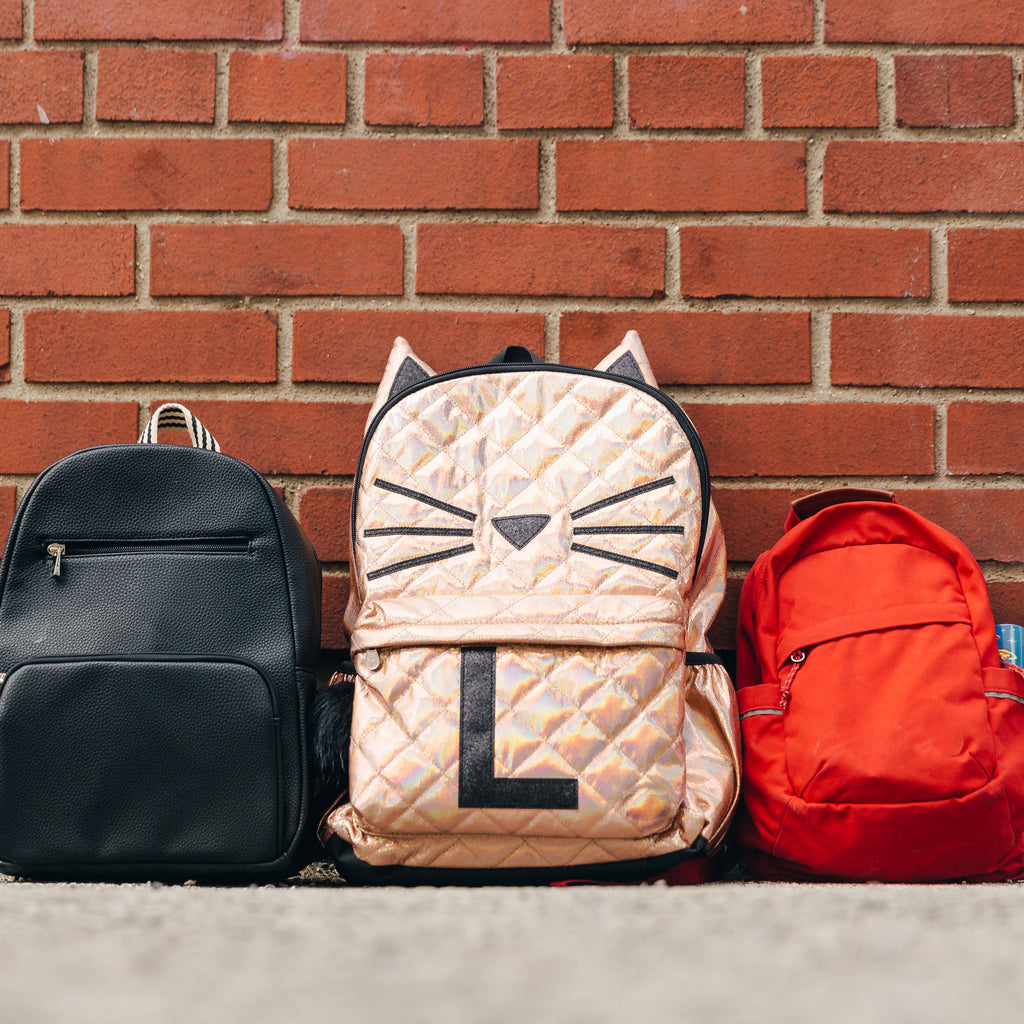
A backpack used five days a week may be opened, closed, lifted, set down, and adjusted hundreds of times each month. School and commuter bags experience repeated zipper cycles, strap tension, desk and floor abrasion, and exposure to rain or spills.
Occasional travel or weekend bags may sit unused for long periods, but when they are used they can face heavy packing, airport handling, and rough surfaces. Frequency and intensity both matter.
Zippers Are a Major Durability Point
Zippers are among the hardest-working components on any backpack. Problems often begin when the bag is overstuffed and the zipper is forced around a bulging corner. Repeated side pressure can separate teeth, distort the track, or pull stitching away from the fabric.
To extend zipper life, avoid using the zipper to compress an overfilled bag. Repack instead. Keep grit out of the track and do not yank a stuck pull.
Shoulder-Strap Attachment Points
Shoulder straps carry much of the backpack's load, which means the upper attachment points experience repeated tension. Strong backpacks reinforce these areas with multiple rows of stitching, bar tacks, extra fabric layers, or webbing.
If you regularly carry heavy books, electronics, or travel gear, inspect strap seams periodically for loose threads or fabric stretching. Small repairs are easier before a seam opens completely.
The Bottom Panel Takes Constant Abuse
The bottom of a backpack touches floors, sidewalks, bus seats, airport surfaces, and locker rooms. It also supports the weight of everything inside. Reinforced or heavier fabric on the base can significantly improve real-world durability.
Do not place a backpack on wet or abrasive ground when you can avoid it. A bag can be water-resistant on the sides but still absorb moisture through seams or a worn base.
Fabric Durability
Nylon, polyester, canvas, leather, and laminated fabrics can all be durable when used appropriately. Fiber type alone does not determine strength. Weave, denier, coatings, backing, and stitching all matter.
A thicker fabric is not automatically superior. Lightweight technical nylon can be extremely strong for its weight, while some inexpensive heavy fabrics can still wear at seams. Our backpack materials guide explains the major options.
Does Denier Tell You How Long a Backpack Will Last?
Denier describes yarn thickness, not total durability. A higher-denier fabric is often heavier and can be more abrasion resistant, but coating, weave, fiber type, and construction still matter. A 1000D tactical pack and a lightweight hiking pack are designed for different priorities.
Our denier guide explains how to use the number without overinterpreting it.
How Load Weight Affects Durability
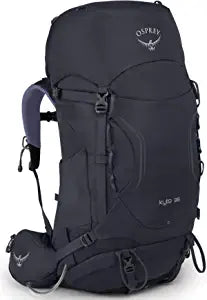
Every seam, zipper, strap, and buckle is stressed more as load weight increases. A school backpack designed for notebooks may fail quickly if it is repeatedly packed with extremely heavy textbooks. A hiking pack with a frame and load-bearing hip belt is better suited to sustained heavy loads.
Using the right type of backpack for the job is one of the simplest ways to improve lifespan.
Water and Moisture Damage
Repeated wetting can affect coatings, leather, adhesives, metal hardware, and odor development. After rain, empty the bag and let it air-dry completely before storing it. Avoid sealing a damp backpack inside a closet or plastic bin.
Water-resistant does not mean waterproof. If you routinely carry electronics in wet conditions, use appropriate protection and see our waterproof vs water-resistant guide.
Does Washing Shorten Backpack Life?
It can if the cleaning method is too aggressive. Hot water, harsh detergents, bleach, dryers, or washing-machine agitation may damage coatings, padding, leather, frames, or adhesives. Always follow the manufacturer's care instructions when available.
Spot cleaning and gentle hand washing are often safer than machine washing. Our backpack washing guide covers the process in detail.
How to Make a Backpack Last Longer
- Do not overload it beyond its intended use.
- Lift it by a reinforced handle rather than one shoulder strap when heavily loaded.
- Keep sharp objects from pressing directly against fabric.
- Do not force zippers around overstuffed corners.
- Air-dry the bag after rain or spills.
- Clean stains before they become embedded.
- Keep grit out of zipper tracks.
- Store the backpack empty or lightly shaped rather than crushed.
- Repair loose stitching early.
- Follow care instructions for leather, coatings, and frames.
When Should You Replace a Backpack?
Cosmetic fading alone does not mean a backpack is finished. Replacement becomes more important when the bag can no longer carry safely or protect its contents. Warning signs include torn shoulder-strap attachments, a failing zipper that will not stay closed, a broken frame, exposed sharp hardware, a laptop compartment that no longer protects the device, or fabric damage that cannot be repaired.
For children's school backpacks, fit is another reason to replace a bag. A backpack that is still physically intact may become too small as the child grows or academic needs change.
Can Backpacks Be Repaired?
Many problems can be repaired. Loose stitching, small tears, zipper pulls, buckles, and webbing may be fixable depending on the bag. Premium outdoor and travel brands sometimes offer repair programs, while local luggage or outdoor repair shops can handle certain issues.
Repair makes the most sense when the rest of the backpack is still structurally sound. If multiple high-stress areas are failing, replacement may be more practical.
Does a Warranty Mean the Backpack Will Last Longer?
A warranty can indicate that a brand stands behind its products, but terms vary widely. Some cover manufacturing defects only. Others offer repair services or broader guarantees. Normal wear, overloading, misuse, and cosmetic damage may be excluded.
Read warranty terms before treating them as a durability guarantee.
Frequently Asked Questions
How long should a school backpack last?
A quality school backpack can last multiple school years when the student does not outgrow it and the bag is not chronically overloaded. Heavy daily textbook loads can shorten lifespan.
How long should a travel backpack last?
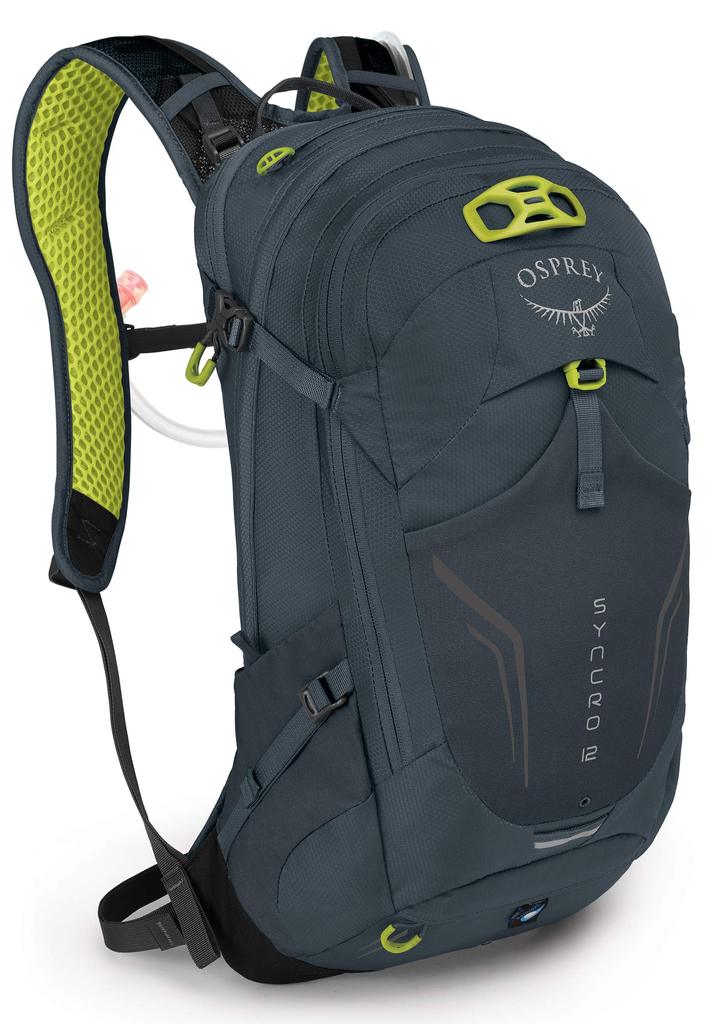
Frequent travelers may get years from a well-built travel backpack, but zippers, grab handles, straps, and abrasion areas should be checked regularly because travel is hard on gear.
How long should a hiking backpack last?
Hiking packs can last for many seasons when properly fitted, not overloaded, dried after use, and maintained. Abrasion, UV exposure, coatings, buckles, and suspension components all affect lifespan.
Is a more expensive backpack always more durable?
No. Price can reflect technical design, materials, fashion, branding, or distribution. Compare construction directly and choose a bag built for your use.
Final Verdict
A good backpack should last as long as its construction and use allow, not a fixed number of years. The best durability strategy is to buy the right bag for the load, avoid overpacking, protect zippers and strap seams, clean it gently, dry it completely, and repair small problems early.
Continue with our backpack longevity guide, explore the Backpacks Hub, or browse the full Backpacks collection.
Sample Block Quote
Praesent vestibulum congue tellus at fringilla. Curabitur vitae semper sem, eu convallis est. Cras felis nunc commodo loremous convallis vitae interdum non nisl. Maecenas ac est sit amet augue pharetra convallis nec danos.
Sample Paragraph Text
Praesent vestibulum congue tellus at fringilla. Curabitur vitae semper sem, eu convallis est. Cras felis nunc commodo eu convallis vitae interdum non nisl. Maecenas ac est sit amet augue pharetra convallis nec danos dui.
Cras suscipit quam et turpis eleifend vitae malesuada magna congue. Damus id ullamcorper neque. Sed vitae mi a mi pretium aliquet ac sed elitos. Pellentesque nulla eros accumsan quis justo at tincidunt lobortis denimes loremous. Suspendisse vestibulum lectus in lectus volutpat, ut dapibus purus pulvinar. Vestibulum sit amet auctor ipsum.
Praesent vestibulum congue tellus at fringilla. Curabitur vitae semper sem, eu convallis est. Cras felis nunc commodo eu convallis vitae interdum non nisl. Maecenas ac est sit amet augue pharetra convallis nec danos dui.
Cras suscipit quam et turpis eleifend vitae malesuada magna congue. Damus id ullamcorper neque. Sed vitae mi a mi pretium aliquet ac sed elitos. Pellentesque nulla eros accumsan quis justo at tincidunt lobortis denimes loremous. Suspendisse vestibulum lectus in lectus volutpat, ut dapibus purus pulvinar. Vestibulum sit amet auctor ipsum.
