


Types of Backpacks: Complete Guide to Every Backpack Style
Backpacks look simple from the outside, but the category includes dozens of designs built for very different jobs. A school backpack, travel backpack, hiking pack, laptop backpack, rolling backpack, tactical pack, mini backpack, and backpack purse can all use two shoulder straps while behaving very differently once loaded.
Quick Answer: The main types of backpacks are school, college, laptop, work, commuter, travel, carry-on, hiking, daypacks, hydration, tactical, rolling, sports, kids, mini, fashion, leather, clear, anti-theft, camera, diaper, and backpack-purse styles. The right type depends on what you carry, how long you carry it, whether you need laptop or weather protection, and whether the bag must meet travel or activity-specific requirements.
This guide is part of the Backpacks Hub and connects directly to the Backpacks collection so you can move from learning the terminology to shopping the style that fits your needs.
Everyday Backpacks
Everyday backpacks are the broadest category. They are designed for general use rather than one specialized activity. Most have one or two main compartments, a front pocket, adjustable shoulder straps, and some amount of internal organization. Capacities commonly fall in the 15–30 liter range, though there are much smaller and larger examples.
An everyday backpack is a good choice when your routine changes from day to day. It may carry a tablet and lunch on Monday, gym clothes on Tuesday, and travel essentials on the weekend. The tradeoff is that a general-purpose design may not protect a laptop as well as a dedicated laptop bag or transfer weight as efficiently as a hiking pack.
School Backpacks
School backpacks are built around books, folders, lunch, water bottles, and increasingly laptops or tablets. Durable zippers, reinforced bottoms, multiple compartments, and comfortable shoulder straps matter because school bags often carry dense loads every weekday.
Age and body size should influence the choice. A preschool backpack should not simply be a scaled-down high-school bag filled to the same relative weight. Start with our school backpack guide or the kids backpack size guide when shopping for children.
College Backpacks
College backpacks overlap with school and laptop backpacks but often need more flexibility. A student may carry a laptop, charger, notebooks, a water bottle, headphones, lunch, and clothing between classes. Campus walking also makes strap comfort and back-panel ventilation more important than they may seem in a quick store try-on.
The best college designs usually balance laptop protection with enough open space for books and personal items. Too many small organizer pockets can reduce room for larger binders or a sweatshirt.
Laptop Backpacks
Laptop backpacks are designed around device protection. Look for a padded sleeve or separate laptop compartment, secure closure, side and bottom protection, and enough depth that the computer does not press tightly against books or other hard objects.
A screen-size label is only a starting point. Actual laptop dimensions vary. Our laptop backpack size guide explains how to compare your computer's measurements to a backpack sleeve.
Work and Business Backpacks
Work backpacks generally use cleaner styling and organization intended for documents, chargers, laptops, pens, and small office items. Some include luggage pass-through sleeves for rolling suitcases. Others use structured panels so the bag keeps its shape in a professional setting.
A work backpack is usually better than a highly technical hiking bag for office use because the organization and appearance match the environment. Our work backpack guide covers this category in depth.
Commuter Backpacks
Commuter backpacks are optimized for repeated movement through cities, trains, buses, bikes, and walking routes. Useful features can include reflective details, weather-resistant materials, quick-access pockets, stable straps, and a slim profile that is easier to manage in crowded spaces.
For commuters carrying expensive electronics, laptop protection and zipper access should be evaluated together. A bag that is comfortable but easy to open unnoticed may not be ideal for crowded transit. See our commuter backpack guide.
Travel Backpacks
Travel backpacks focus on packing efficiency and mobility. Many open clamshell-style like a suitcase, include compression straps, and provide separate areas for clothing and electronics. Capacities vary from compact personal-item bags to larger one-bag travel packs.
Travel designs should be judged by exterior dimensions as well as liters. Airline size limits apply to physical dimensions, not just volume. Our travel backpack guide and carry-on backpack guide help with those decisions.
Carry-On Backpacks
A carry-on backpack is a travel backpack sized with overhead-bin travel in mind. Some are marketed as carry-on compliant, but airline rules can vary and enforcement can change. Wheels, handles, bulging pockets, and overpacking can make a bag larger than its nominal dimensions.
Carry-on backpacks are especially useful for travelers who want hands-free movement through airports or cities and do not want to pull wheeled luggage over stairs or rough surfaces.
Personal-Item Backpacks
Personal-item backpacks are smaller travel bags intended to fit under an airline seat when packed within the carrier's limits. They are often used for short trips, as a companion to a suitcase, or by travelers trying to avoid larger-bag fees.
The distinction between a personal item and a carry-on is important enough that we maintain a dedicated personal item vs carry-on backpack guide.
Hiking Backpacks
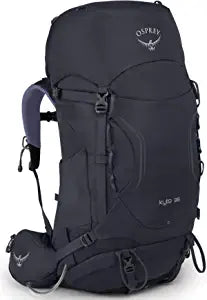
Hiking backpacks emphasize fit, load control, hydration, ventilation, and durability. Day-hiking packs may be simple and light, while larger multi-day packs can include an internal frame, adjustable torso length, substantial hip belt, load lifters, trekking-pole attachments, and sleeping-bag storage.
Hiking capacity should be matched to trip length, gear volume, and season. The hiking backpack guide explains those tradeoffs.
Daypacks
A daypack is generally a smaller backpack intended for a single day of activity. It may be used for hiking, sightseeing, commuting, or travel. The word describes trip duration more than one specific construction style.
Daypacks often range from roughly 10–30 liters. A hiking daypack may include hydration compatibility and a sternum strap, while an urban daypack may focus on a laptop sleeve and simple organization.
Hydration Backpacks
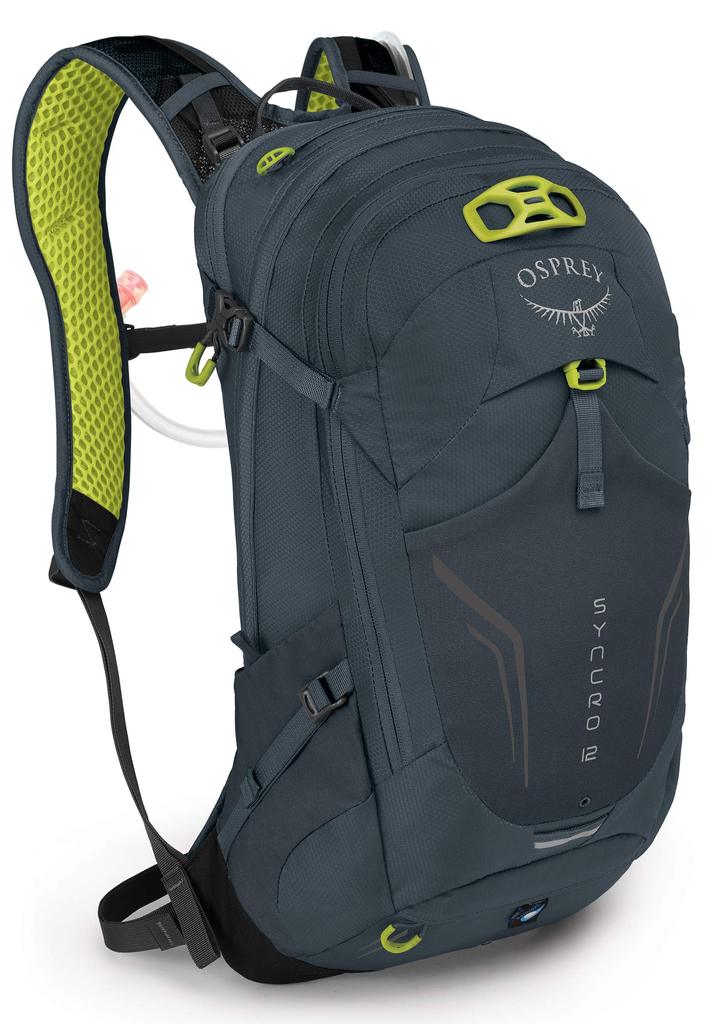
Hydration backpacks are built around a water reservoir or hydration bladder with a drinking hose. They are common for hiking, running, mountain biking, and endurance sports. Some are minimal packs that hold little beyond water, while others function as full daypacks.
When comparing hydration packs, consider reservoir capacity, hose routing, ease of cleaning, and whether the pack can still carry food, tools, layers, and first-aid essentials.
Tactical and Military-Style Backpacks
Tactical backpacks typically emphasize rugged materials, modular webbing, multiple compartments, and attachment points. Some use MOLLE-compatible systems that allow users to add pouches externally.
These bags can be useful for work, outdoors, emergency kits, or organization-heavy carry, but tactical styling and extra webbing add weight. A simple daypack may be more efficient if you do not need modular expansion.
Rolling Backpacks
Rolling backpacks combine backpack straps with wheels and a telescoping handle. They can reduce the amount of time heavy school or travel loads are carried on the shoulders.
The tradeoffs are extra weight, a rigid wheel base, and less comfort when the bag must actually be worn for long periods. Our rolling backpack buying guide covers wheel design, handle height, stability, and size.
Sports Backpacks
Sports backpacks are shaped around the equipment used in a particular activity. Basketball bags may need space for a ball and shoes. Baseball backpacks may use bat sleeves. Soccer bags may include ball storage. Tennis backpacks can include racket compartments. Training bags may separate shoes and wet clothing from clean gear.
Dedicated sport-specific storage is valuable if you carry the equipment frequently, but it can make the bag less flexible for general use.
Kids Backpacks
Kids backpacks should be evaluated by fit before style. The bag should not be excessively wide or long for the child's torso, and the straps should adjust enough to keep the load close to the body.
Preschool and kindergarten backpacks often need to fit folders, lunch, and a change of clothing rather than heavy textbooks. Older children may need more structure and laptop or tablet protection.
Mini Backpacks
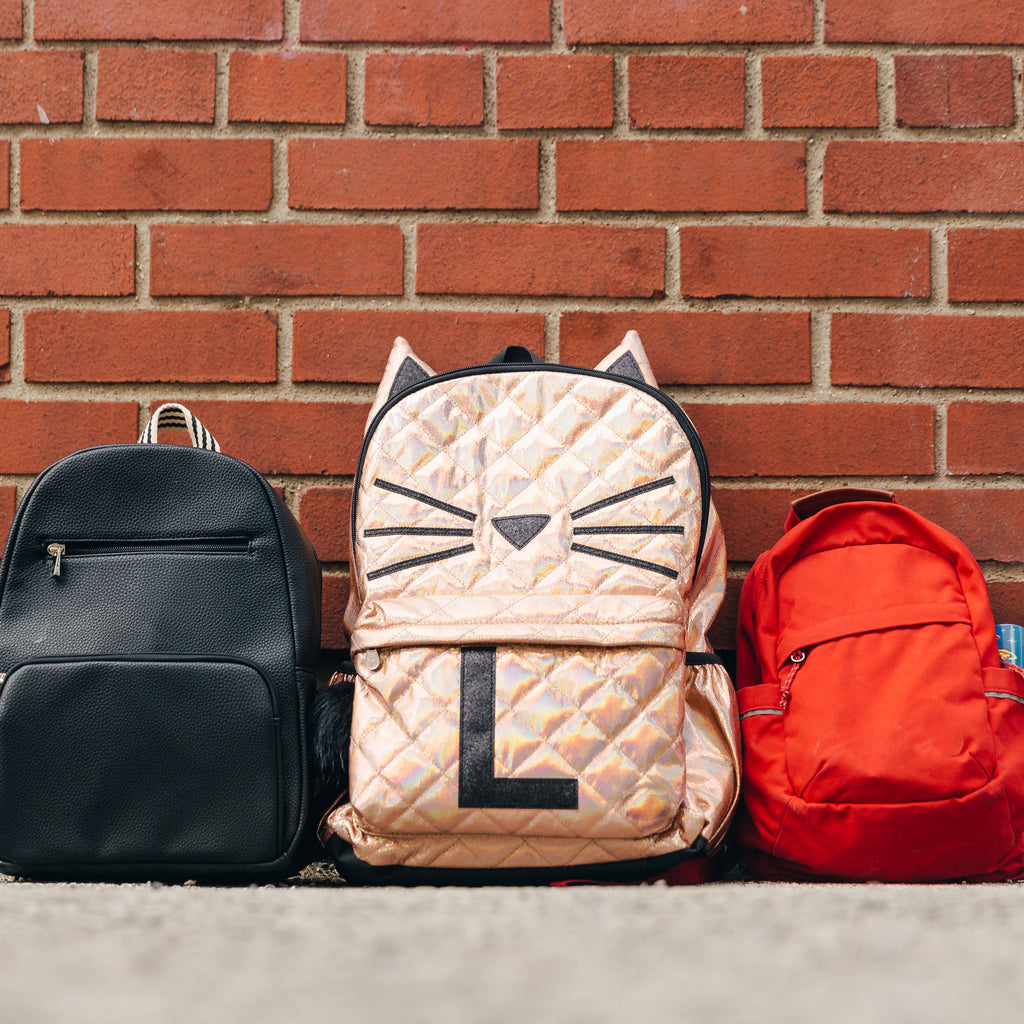
Mini backpacks prioritize compact size and style. They can work well for phones, wallets, keys, sunglasses, and a few small daily items, but many will not fit full-size notebooks or laptops.
A mini backpack is best treated as a hands-free alternative to a purse or small shoulder bag rather than a substitute for a full school or work backpack.
Backpack Purses
Backpack purses blend handbag styling with backpack straps. They are usually smaller than traditional backpacks and often use leather, faux leather, nylon, or fashion textiles. Organization may resemble a purse more than a school bag.
These are a strong choice for users who want hands-free carry but do not need to transport books, large water bottles, or full-size electronics.
Leather Backpacks
Leather backpacks offer a premium, professional or fashion-forward appearance. Quality leather can age attractively, but the bags are often heavier than nylon or polyester and need more maintenance.
Leather is not automatically weatherproof. Finish, seams, zippers, and care products influence how it handles moisture. Our leather backpack guide goes deeper.
Clear Backpacks
Clear backpacks are designed for visibility in environments where inspection or transparent-bag rules are common. They are used at some schools, workplaces, events, and venues. Most are made from PVC or similar transparent materials.
Transparency does not automatically mean durability or waterproof protection. Seam construction, zipper quality, material thickness, and cold-weather flexibility matter. See the clear backpack buying guide.
Anti-Theft Backpacks
Anti-theft backpacks use features intended to make unauthorized access more difficult. These may include hidden zippers, locking zipper pulls, slash-resistant panels or straps, RFID-blocking pockets, and openings positioned against the wearer's back.
No backpack is theft-proof, but thoughtful access design can reduce opportunistic risk. Our anti-theft backpack guide explains which features are most relevant.
Camera Backpacks
Camera backpacks use padded dividers and structured compartments to protect cameras, lenses, batteries, and accessories. Some have side-access doors so photographers can reach equipment without fully removing the bag.
Protection and organization are valuable, but the dividers consume space. Travelers who carry only a small camera may prefer a normal travel backpack with a padded camera insert.
Diaper Backpacks
Diaper backpacks are organized for bottles, diapers, wipes, clothing, snacks, and parent essentials. Useful features can include insulated bottle pockets, wipe access, changing pads, and wide openings.
The backpack format keeps both hands free and distributes weight more evenly than a one-shoulder diaper tote, especially during longer outings.
Fashion and Designer Backpacks
Designer backpacks place greater emphasis on materials, branding, silhouette, hardware, and appearance. Some are highly functional; others prioritize style over capacity or padding.
When shopping fashion backpacks for daily use, still evaluate strap comfort, closure security, opening size, interior lining, and whether the bag fits the items you actually carry.
Which Type of Backpack Is Best for You?
The most efficient way to choose is to identify your primary use first. If you carry a laptop every weekday, begin with laptop or commuter designs. If your main goal is one-bag travel, begin with travel and carry-on backpacks. If you carry heavy loads on trails, begin with hiking packs. If you want a compact hands-free fashion bag, look at mini backpacks or backpack purses.
Then use the Best Backpacks 2026 guide to compare capacity, comfort, materials, organization, and price.
Frequently Asked Questions
What is the most versatile type of backpack?
A well-designed 20–30 liter everyday or laptop backpack is among the most versatile choices for school, work, commuting, and light travel. Specialized activities may still require specialized packs.
What is the difference between a backpack and a daypack?
Backpack is the broad category. Daypack usually refers to a smaller pack intended for one day of use, often hiking, sightseeing, or light everyday carry.
What type of backpack is best for flying?
A travel backpack with exterior dimensions that match your airline's current carry-on or personal-item limits is usually the best starting point. Always check current airline rules before travel.
What type of backpack is best for heavy loads?
For genuinely heavy loads, a supportive hiking-style pack with a proper hip belt and load-transfer system is generally more suitable than a simple school or fashion backpack.
Final Verdict
There is no single backpack construction that excels at every job. The category works best when you choose the style around the load and environment. Start with the type of backpack, then narrow by size, fit, materials, organization, and budget.
Continue through the Backpacks Hub or browse the full Backpacks collection to compare the major categories side by side.
Sample Block Quote
Praesent vestibulum congue tellus at fringilla. Curabitur vitae semper sem, eu convallis est. Cras felis nunc commodo loremous convallis vitae interdum non nisl. Maecenas ac est sit amet augue pharetra convallis nec danos.
Sample Paragraph Text
Praesent vestibulum congue tellus at fringilla. Curabitur vitae semper sem, eu convallis est. Cras felis nunc commodo eu convallis vitae interdum non nisl. Maecenas ac est sit amet augue pharetra convallis nec danos dui.
Cras suscipit quam et turpis eleifend vitae malesuada magna congue. Damus id ullamcorper neque. Sed vitae mi a mi pretium aliquet ac sed elitos. Pellentesque nulla eros accumsan quis justo at tincidunt lobortis denimes loremous. Suspendisse vestibulum lectus in lectus volutpat, ut dapibus purus pulvinar. Vestibulum sit amet auctor ipsum.
Praesent vestibulum congue tellus at fringilla. Curabitur vitae semper sem, eu convallis est. Cras felis nunc commodo eu convallis vitae interdum non nisl. Maecenas ac est sit amet augue pharetra convallis nec danos dui.
Cras suscipit quam et turpis eleifend vitae malesuada magna congue. Damus id ullamcorper neque. Sed vitae mi a mi pretium aliquet ac sed elitos. Pellentesque nulla eros accumsan quis justo at tincidunt lobortis denimes loremous. Suspendisse vestibulum lectus in lectus volutpat, ut dapibus purus pulvinar. Vestibulum sit amet auctor ipsum.
