





Small Backpacks
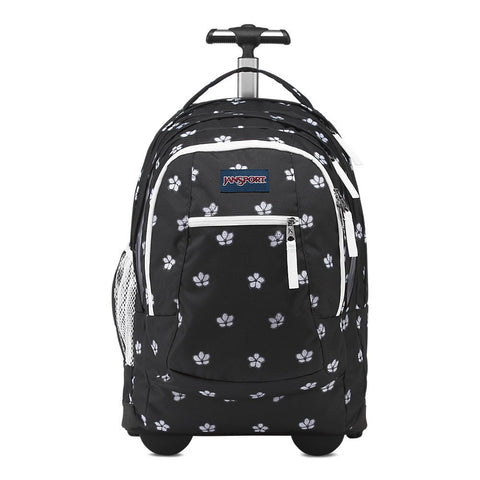
Small Backpacks provide compact storage for travel, commuting, work, school, hiking, and everyday carry. This collection includes mini backpacks, small laptop bags, waterproof styles, canvas daypacks, fashion designs, and compact outdoor packs. Compare the products below, then use the 15 detailed guides for deeper help with sizing, materials, fit, and organization.
Quick Answer: Choosing a Small Backpack
Measure the largest rigid item, then list the complete daily load. Choose the smallest capacity that holds those essentials without forcing zippers or eliminating useful spare room. Fit, opening style, device protection, and weather resistance matter more than a broad “small” label because dimensions and usable layouts vary.
As an Amazon Associate, we may earn from qualifying purchases.
Shop Small Backpacks on Amazon
What Counts as a Small Backpack?
There is no universal cutoff, but many compact backpacks fall near 10 to 20 liters. Mini fashion bags may be smaller, while streamlined hiking and laptop bags may be slightly larger. Exterior height, width, and depth determine whether a device, bottle, notebook, camera, or travel item fits more reliably than capacity alone. Padding, curved panels, and dividers also change usable space.
A 13-liter structured bag may organize essentials more efficiently than a soft 20-liter pack, while flexible construction may handle clothing and irregular items better. Measure the largest rigid object before comparing liters. Test the real load indoors whenever the return policy permits.
Openings and Organization
Wide zipper openings improve visibility and make the bottom easier to reach. Flaps, drawstrings, clamshells, and roll tops create different combinations of access, security, weather resistance, and expansion. Confirm that the largest item clears the opening without forcing the closure or rubbing device corners.
Assign separate homes for keys, electronics, wallet, medication, transit cards, and water. Too many small pockets can reduce flexible capacity, while one open compartment allows essentials to disappear. The most useful layout supports the five items reached most often and leaves room for occasional changes.
Compare Current Small Backpack Options
Small Waterproof Backpacks
Water-resistant fabric can slow light rain and splashes, but seams, zippers, openings, and abrasion points may leak. Waterproof materials do not automatically make the finished backpack submersible. Check the exact product listing for coating, seam treatment, zipper coverage, and closure limitations.
Protect electronics, documents, and medication with sealed storage when meaningful exposure is possible. After rain, empty the backpack and let every compartment dry completely. Trapped moisture can cause odor, affect coatings, and damage contents.
Small Canvas Backpacks
Canvas offers a classic texture and everyday abrasion resistance, but untreated cotton may absorb water and dry slowly. Construction at the base, shoulder anchors, handle, zipper ends, and pocket corners matters more than the fabric label by itself. Waxed and coated canvas require specific care.
Follow the manufacturer’s cleaning instructions. Brush away dry debris, spot-clean compatible surfaces, avoid unapproved machine washing or heat, and air-dry fully. A well-maintained canvas backpack can combine practical storage with a casual or vintage appearance.
Small Hiking Backpacks
A compact hiking backpack should hold water, food, navigation, first aid, sun protection, rain gear, and suitable insulation. Capacity should never be reduced below what the route, season, and weather require. Hydration compatibility, bottle retention, ventilation, and a sternum strap may matter more outdoors than laptop padding.
Keep dense water close to the back, balance both sides, and test the complete load on uneven ground. Exterior gear must be retained against loss or snagging. A small hiking pack is useful for a focused kit, not as a reason to leave essential safety equipment behind.
Check Small Backpack Features and Prices
Small Travel Backpacks
Compact travel bags can carry documents, electronics, medicine, snacks, and a light layer while remaining manageable in terminals and public transportation. Airline personal-item limits vary by carrier, route, fare, and aircraft, so travelers should confirm current rules before departure. Overstuffed pockets increase measured depth.
Secure access, bright lining, a top handle, and organized electronics storage can improve travel. Hidden pockets and lockable pulls may discourage casual access but do not make unattended storage secure. Choose only features that solve a repeated travel problem.
Small Laptop Backpacks
Verify the laptop’s actual dimensions with its case rather than relying only on screen size. A suitable sleeve adds padding, separation from bottles and keys, and preferably a raised bottom. A tight sleeve can stress device corners and zipper tracks, while a loose sleeve permits movement.
Laptop padding consumes a meaningful share of compact capacity. Daily commuters may benefit from dedicated protection and cable pockets; occasional device users may prefer a removable sleeve that preserves flexible space.
Fit for Women, Men, and Everyday Use
Women’s, men’s, and unisex labels can indicate styling or proportions but cannot guarantee personal comfort. Shoulder width, torso length, strap curve, clothing, and carried weight determine fit. Load the backpack realistically, adjust both straps evenly, and walk long enough for pressure points to become apparent.
Select a profile that suits the setting without sacrificing access. Fashion backpacks, work bags, canvas daypacks, school bags, and hiking packs can share similar capacity yet solve very different problems. The best small backpack fits both the contents and the routine.
View Today’s Small Backpack Listings
Complete Small Backpack Guide Library
Use these 15 articles to research broad selection questions and specialized compact-backpack uses:
- Small Backpacks for Hiking: Comfort, Durability & Organization
- How to Choose a Small Backpack: Size, Fit & Features
- Are Small Backpacks Worth It? Pros, Cons & Best Uses
- How to Pack, Use & Care for Small Backpacks
- Best Small Backpack Features for Everyday Carry
- Small Waterproof Backpack Buying Guide
- Small Canvas Backpack: Durability and Style Guide
- Small Travel Backpack: Personal Item and Day Trip Guide
- Small Backpacks for Women: Fit and Organization Guide
- Small Backpacks for Men: Compact Everyday Carry Guide
- Small Laptop Backpack: Device Fit and Protection Guide
- Mini Backpack vs Small Backpack: What Is the Difference?
- Small Tactical and EDC Backpacks: Buying Guide
- Small School Backpack: Choose the Right Size
- 13L vs 20L Small Backpacks: Capacity Comparison
Final Buying Checklist
- Measure the largest rigid item and every protected device.
- Compare exterior dimensions as well as liters.
- Confirm the opening clears regularly carried objects.
- Check strap length and comfort at realistic weight.
- Separate bottles, keys, and sharp items from electronics.
- Verify weather claims for the exact model.
- Read current return, warranty, and care information.
Frequently Asked Questions
Can a small backpack hold a laptop?
Yes, when the exact device and case fit the sleeve dimensions while remaining capacity supports other essentials. Verify padding and compartment measurements.
Can small backpacks be personal items?
Many can, but airline policies vary. Check the current carrier, route, fare, and aircraft limit before departure.
Are small backpacks good for hiking?
They can work when they hold all water, weather, navigation, medical, and safety essentials required by the route.
Are small backpacks waterproof?
Some offer strong protection, while many are only water-resistant. Seams, zippers, openings, and closure design determine finished performance.
What is the difference between mini and small backpacks?
Mini backpacks generally emphasize a very compact profile. Small backpacks often add practical capacity, structure, or device support, but labels are inconsistent.
Final Verdict
The right small backpack makes the daily load easier to organize without forcing essentials into inadequate space. Begin with real item dimensions, compare usable layouts, test comfort at realistic weight, and match materials to the environment. Use the products and 15 focused guides in this hub to compare current options carefully.


