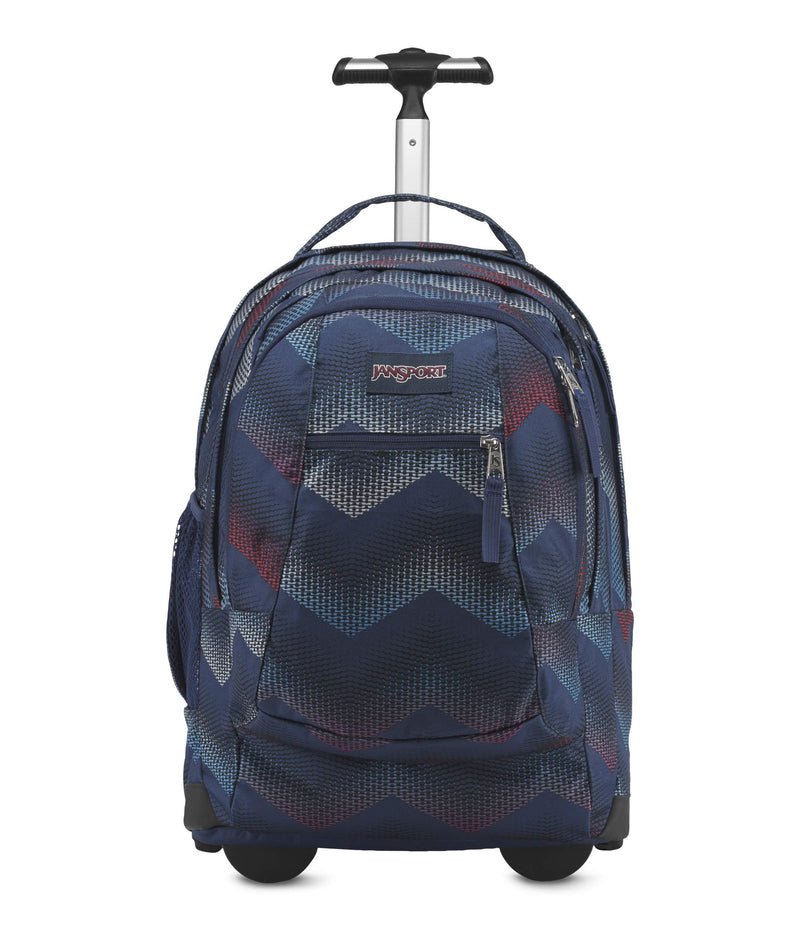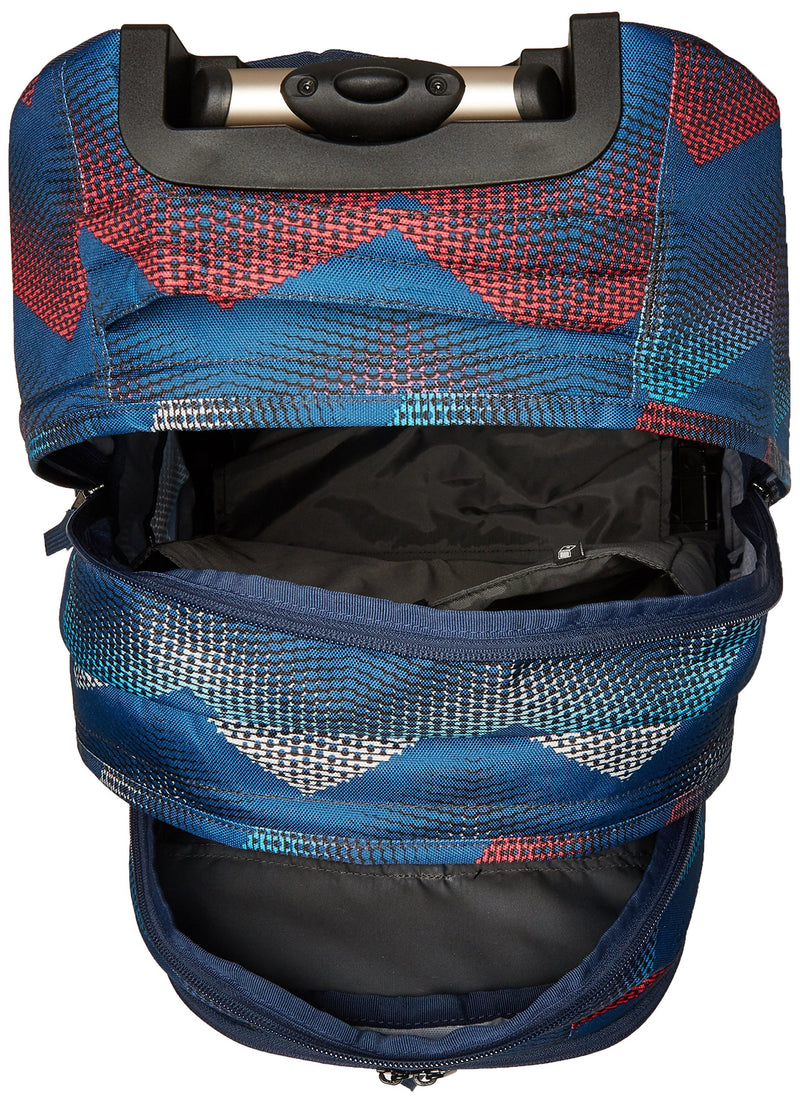
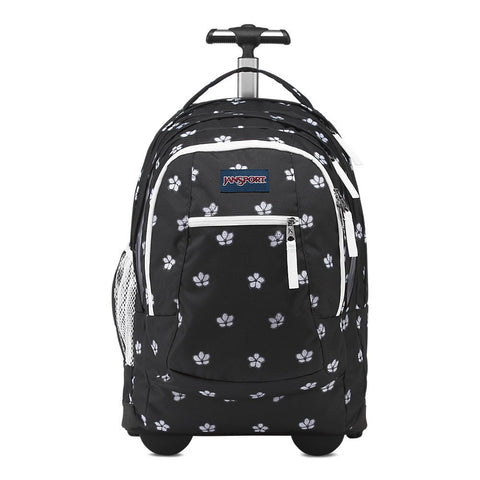


40L Backpacks
40L backpacks occupy a useful middle ground between compact daypacks and much larger expedition luggage. They can support weekend travel, carry-on packing, hiking, work trips, outdoor gear and bulky daily loads, but the number “40L” does not guarantee a standard shape or fit. Use this collection to compare current products, then confirm dimensions, materials, included accessories and availability on the latest product listing before purchasing.
Quick answer: how do you choose a 40L backpack?
Begin with the complete packing list and the heaviest realistic load. Measure large items, check the backpack’s exterior dimensions, and decide whether the bag must satisfy an airline limit, carry a laptop, transfer weight through a hipbelt or protect equipment from weather. Fit matters as much as storage: the correct torso length, shoulder-strap shape and hipbelt position can make a forty-liter load feel controlled, while a poor harness can become uncomfortable quickly.
As an Amazon Associate, we may earn from qualifying purchases.
Understand what 40 liters really means
Liters describe internal volume, not a universal exterior profile. One model may be tall and narrow, another may be rectangular for travel, and another may use pockets, padding or curved panels that reduce flexible interior space. A laptop sleeve, shoe section, reservoir pocket or internal divider also consumes part of the stated capacity. Compare the shape of the main compartment with the actual items you carry instead of assuming every forty-liter model packs identically.
Empty weight deserves attention too. A structured travel bag, wheeled design or framed hiking pack can weigh considerably more than a simple soft-sided pack. That difference affects comfort and may consume part of an airline weight allowance. The best choice is not automatically the lightest; it is the lightest model that still supplies the support, protection and durability the trip requires.
Match the harness to the load
Test fit with weight inside. Position the hipbelt over the top of the hip bones, tighten it first, and then adjust shoulder straps, load lifters and the sternum strap. Walk, climb stairs, turn and reach overhead. The pack should stay stable without pinching, pulling backward or blocking head movement. Travelers who expect long terminal walks still benefit from a supportive harness, even when the bag will spend part of the trip in an overhead bin.
Women-specific, unisex and adjustable designs can all work, but labels are only a starting point. Torso length, shoulder width, chest position and hip shape vary individually. Whenever possible, complete a loaded indoor fitting while the return option remains available.
Travel and carry-on considerations
A 40L backpack is not automatically carry-on compliant. Airlines set their own limits, fares can change the allowance, and a soft bag becomes deeper when exterior pockets are filled. Measure the fully packed height, width and depth, including handles, wheels and bulging pockets, then compare those figures with the current rules for the exact carrier and fare. Leave a little margin rather than packing to the absolute edge of a limit.
Travel-oriented features may include a clamshell opening, stowable shoulder straps, compression panels, a padded laptop compartment and lockable zipper pulls. Choose only features that solve a real problem. A removable personal-item pouch is useful for medication, documents and valuables if the main bag must unexpectedly be checked.
Hiking and outdoor use
For trail use, load transfer and access become especially important. Dense items should sit close to the back and near the body’s center of gravity. Water, navigation, rain gear and food needed during the day should remain reachable without unloading everything. Compression straps help stabilize a partially filled pack as food and water volume changes.
Distinguish water resistance from waterproof construction. Many conventional packs can shed a short shower but are not designed for immersion or prolonged exposure. Critical electronics, insulation and documents should use an interior dry bag or liner when getting wet would create serious consequences. Check seam tape, closures and coatings periodically because abrasion and age can reduce protection.
Organization without wasted space
More compartments are not always better. Every divider adds weight and can restrict oddly shaped items. Start with the packing list, group items by when they are needed, and select an opening and pocket layout that supports that sequence. Travelers may value direct laptop access and a wide main opening; hikers may prioritize bottle pockets, hipbelt storage and quick access to layers.
Compression is valuable when the same pack serves different trips. It reduces shifting and keeps the load closer to the body, but straps should not press hard objects into a laptop or create stress across a zipper. Pack liquids and sharp gear separately, and keep heavy objects from moving during walking or transit.
40L backpack research library
The guides below divide the collection into distinct decisions so you can research without sorting through one oversized article. Start with the general buying guide, then use the capacity, travel, hiking, fit, laptop or weather article that matches your trip.
- How to Choose 40L Backpacks: Fit, Size and Features — Choose a 40L backpack by matching the complete packed load, torso fit, harness, opening style and external dimensions to the trip.
- Best 40L Backpacks: What Shoppers Should Compare — The best 40L backpack fits the wearer and trip, controls the packed load and provides the access, weather protection and organization actually needed.
- Are 40L Backpacks Worth It? Pros, Cons and Uses — A 40L backpack is worthwhile when the trip needs more than a daypack but still benefits from one manageable bag; it can be excessive for light daily carry.
- How to Pack, Use and Care for 40L Backpacks — Pack dense items close to the back, balance both sides, protect wet or sharp gear and follow the care label before cleaning.
- Hynes Eagle 40L Travel Backpack Review: Carry-On Size, Laptop Fit and Packing — Evaluate the Hynes Eagle 40L by its exact current dimensions, laptop space, harness, opening and airline fit rather than relying on the capacity label alone.
- MOUNTAINTOP 40L Hiking Backpack Guide — Compare the exact MOUNTAINTOP 40L listing by torso fit, load transfer, frame structure, rain protection and current included features.
- 3 Great Travel Backpacks: 18L, 27L and 40L Compared — Choose 18L for a light daily load, 27L for flexible short trips and 40L when clothing or gear justifies the added size and weight.
- Hynes Eagle 40L Yellow Camo Carry-On Backpack Guide — Verify current availability, dimensions, seller and features for the yellow camo Hynes Eagle 40L because legacy colors and listings can change.
- 40L Carry-On Backpacks and Airline Size Rules — A 40L backpack is not automatically carry-on compliant; compare its fully packed exterior with the current limits for the exact airline and fare.
- 40L Hiking Backpacks: Fit, Frame and Trail Use — For hiking, a 40L backpack should match torso length, transfer weight through the hipbelt and organize water, layers and safety gear without unstable overpacking.
- Osprey Farpoint and Fairview 40L Backpack Guide — Compare Farpoint and Fairview 40L listings by current fit guidance, harness, dimensions, laptop storage and selected variation.
- 40L Backpacks for Women: Fit and Harness Guide — Choose by torso length, shoulder-strap shape, hipbelt placement and loaded comfort rather than relying only on a women's or unisex label.
- 40L Laptop Backpacks for Travel and Work — A 40L laptop backpack should fit the exact computer, isolate the charger, stabilize the load and remain appropriately sized for the commute or trip.
- Waterproof and Water-Resistant 40L Backpacks — Distinguish waterproof construction from water-resistant fabric and rain-cover systems by checking seams, closures and expected exposure.
- 40L Backpack Size Guide: Dimensions, Weight and Capacity — Forty liters describes internal volume, not a universal exterior shape; compare packed dimensions, empty weight and usable compartment layout.
Before you buy
- Write the exact packing list and identify the largest non-negotiable item.
- Confirm current exterior and laptop-sleeve dimensions on the product listing.
- Estimate total loaded weight and choose a harness capable of supporting it.
- Measure the fully packed bag before relying on an airline allowance.
- Check whether the construction is waterproof or only water-resistant.
- Review current color, size, seller, included accessories and return terms.
- Perform a loaded fitting indoors before a major trip or remote hike.
Frequently asked questions
Is 40L enough for a weekend trip?
Often, yes. It depends on clothing bulk, footwear, weather, electronics and personal packing habits. Test the intended packing list rather than relying on trip length alone.
Can a 40L backpack be a personal item?
Usually it is closer to carry-on territory, but rules vary and exterior dimensions matter more than the capacity label. Check the exact airline and fare before travel.
Is a 40L pack too large for a day hike?
It can be larger than necessary for a simple warm-weather outing, yet useful for winter layers, family gear, camera equipment or technical items. Compression should stabilize a lighter load.
Do I need a hipbelt?
A supportive hipbelt becomes more valuable as weight and carrying time increase. Light travel loads may be manageable without one, while hiking loads generally benefit from transferring weight to the hips.
How should I clean a 40L backpack?
Follow the manufacturer’s care label. Empty every pocket, use mild cleaning methods, avoid harsh detergents unless approved and air-dry completely before storage.
Browse the products in this collection, use the guides for deeper comparison, and verify the latest specifications on the current listing. The right forty-liter backpack is the one that carries the real load comfortably and fits the transportation, weather and access requirements of the trip.