


How Much Should a Good Backpack Cost?
Backpack prices range from inexpensive basic bags to premium travel, hiking, business, and designer models that cost several hundred dollars or more. The right amount to spend depends less on the logo and more on how often you use the backpack, how much weight you carry, what you need to protect, and how costly failure would be.
Quick Answer: For light occasional use, a lower-cost backpack can be perfectly reasonable. For school, commuting, or daily laptop carry, the value sweet spot is usually the price range where you begin getting stronger zippers, better shoulder straps, more durable fabric, and useful device protection. Premium prices make the most sense when you need technical hiking suspension, high-end travel organization, premium materials, specialized equipment protection, or designer construction.
This guide is part of the Backpacks Hub. If you are still deciding which style you need, start with our types of backpacks guide or browse the full Backpacks collection.
Why Backpack Prices Vary So Much
Two backpacks that look similar in a photo can be very different once loaded. Price can reflect fabric quality, zipper hardware, stitching, padding, frame systems, laptop protection, water-resistant coatings, brand distribution, warranty support, design complexity, and manufacturing cost. It can also reflect branding and fashion positioning that does not necessarily improve carry performance.
The goal is not to buy the cheapest backpack or the most expensive one. It is to pay for features and construction that matter to your routine.
Budget Backpacks
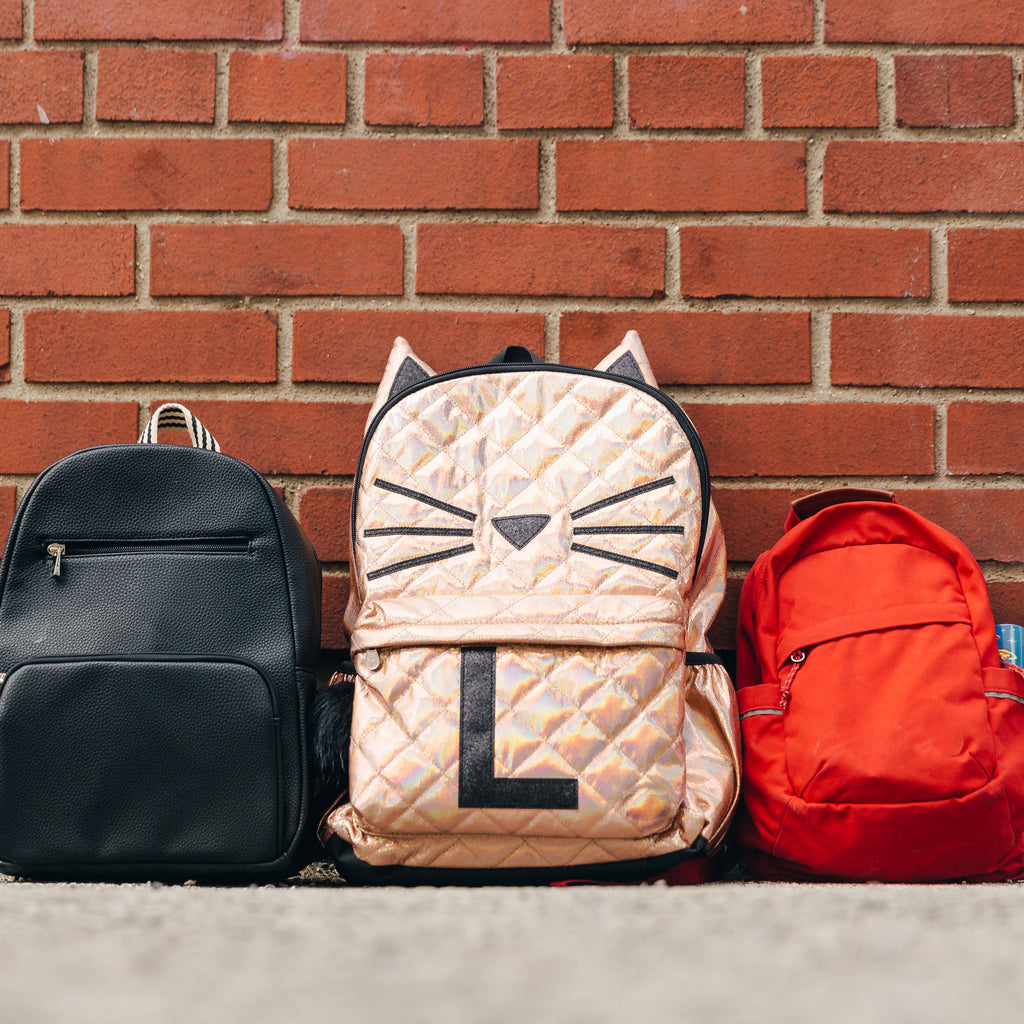
Budget backpacks are often best for light loads, occasional use, younger kids who may outgrow the bag quickly, events, simple gym carry, or users who do not need advanced laptop or travel protection. They may use lighter fabrics, simpler zippers, less dense padding, and fewer reinforced areas.
A lower price does not automatically mean poor quality. Simple construction can be durable when the bag is not overloaded. The main risk is asking a basic backpack to perform like a heavy-duty school, travel, or hiking pack.
Midrange Backpacks
Midrange pricing is where many students, commuters, and everyday users find the best balance. Bags in this category often add better shoulder straps, more structured laptop sleeves, stronger zippers, improved organization, reinforced bottoms, better back-panel padding, and more consistent materials.
For a backpack used five days a week, these improvements can matter more than cosmetic extras. If the backpack carries a laptop worth hundreds or thousands of dollars, better protection may justify spending more than you would on a simple clothes-and-lunch bag.
Premium Backpacks
Premium backpacks can make sense when the extra cost is tied to a real need. Technical hiking packs may include adjustable torso systems, supportive frames, load lifters, ventilated suspension, durable lightweight fabrics, and high-quality hip belts. Premium travel backpacks may use sophisticated organization, stronger hardware, expandable systems, and weather-resistant materials.
Business backpacks may charge more for refined construction, premium textiles, structured laptop protection, luggage integration, and professional styling. Camera backpacks may use thick padding and custom dividers to protect expensive equipment.
Before paying a premium, ask what problem the added cost solves. If you cannot identify one, a less expensive model may be the better value.
Designer Backpack Pricing
Designer backpacks operate under a different value system. Price can reflect leather, hardware, craftsmanship, brand positioning, limited collections, and fashion demand. Performance features such as ventilation, suspension, or laptop padding may not be the main reason for the price.
If you are buying a designer backpack for style, judge it as a fashion purchase while still checking practical basics such as strap comfort, closure security, lining quality, opening size, and usable capacity.
What Should You Spend on a School Backpack?
A school backpack should be evaluated by how much weight the student carries and how many days per week it is used. A child carrying light folders may not need the same construction as a high-school student carrying a laptop, textbooks, binders, lunch, and sports gear.
For heavy daily school use, paying more for supportive straps, strong zippers, reinforced seams, and a durable bottom is often worthwhile. Our school backpack guide explains which features matter by age and load.
What Should You Spend on a Laptop Backpack?
Laptop backpacks deserve special attention because the contents can be expensive. A cheap sleeve with minimal bottom padding may not provide enough protection for daily commuting. Look for a compartment that fits the actual laptop dimensions, side and bottom cushioning, and a shape that keeps hard objects from pressing directly into the computer.
Our laptop backpack guide covers the most important protective features.
What Should You Spend on a Travel Backpack?
Travel bags face repeated handling, overpacking pressure, airport floors, public transportation, and long carry periods. Better zippers, grab handles, straps, seams, and weather resistance can be worth paying for when the backpack is used frequently.
Frequent travelers may also value clamshell access, compression systems, luggage pass-through sleeves, security features, and carefully designed laptop compartments. Occasional weekend travelers may be satisfied with a much simpler design.
What Should You Spend on a Hiking Backpack?
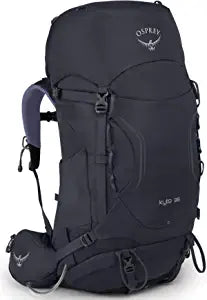
For hiking, fit and suspension can justify higher prices faster than extra pockets. A pack carrying substantial weight for hours should transfer load effectively and fit the user's torso. Adjustable harnesses, shaped hip belts, frames, ventilation, and durable lightweight materials all cost more to design and manufacture.
A technical hiking pack is often worth more than a casual daypack when the load and distance require it. Our hiking backpack guide explains when those features become important.
Price Per Use Is a Better Metric
Consider cost per use rather than purchase price alone. A $120 backpack used 250 days per year for three years costs far less per use than a $40 bag that fails after one semester and must be replaced repeatedly.
This does not mean an expensive backpack will always last longer. It means daily-use items should be judged by durability, comfort, and protection over time rather than sticker price alone.
What Features Are Worth Paying More For?
- Stronger zippers and pulls
- Reinforced seams and stress points
- Supportive shoulder straps
- Proper torso fit for heavy loads
- Effective hip belts and frames for hiking
- Better laptop padding
- Durable high-wear fabric
- Weather-resistant coatings and protected openings
- High-quality grab handles
- Useful warranty or repair support
Features such as decorative hardware, excessive organizer pockets, or technology you will never use should not automatically increase your budget.
Signs a Cheap Backpack May Cost More Later
Watch for narrow lightly stitched straps, thin zipper tracks, weak grab handles, a bottom panel with no reinforcement, exposed seams under high tension, or a laptop sleeve with almost no padding. These do not guarantee failure, but they are areas where low-cost construction can become expensive if the bag is used hard.
Overloading is also important. Even a good budget backpack can last when used within its intended load. Repeatedly stuffing it beyond capacity can break zippers and seams quickly.
Signs a Premium Backpack Is Actually Worth It
A premium bag earns its price when it solves a meaningful problem better. Examples include a hiking pack that fits your torso exceptionally well, a travel backpack that carries comfortably and meets your airline dimensions, a camera backpack that protects expensive lenses, or a business backpack with durable construction you use every weekday.
The purchase becomes harder to justify when you are paying mostly for features you do not need or a brand name that does not improve fit, protection, or durability.
How to Compare Value Between Two Backpacks
Compare the bags using the same checklist: capacity, dimensions, empty weight, strap design, back-panel support, laptop protection, zipper quality, fabric, weather resistance, warranty, and intended use. Our 15-feature backpack buying guide gives you a consistent framework.
Then identify which differences affect your actual routine. A $50 increase for better hiking suspension may be valuable. A $50 increase for decorative pockets may not be.
Frequently Asked Questions
How much should I spend on a backpack for daily use?
Spend enough to get comfortable straps, reliable zippers, suitable capacity, and protection for anything valuable you carry. Daily frequency makes durability more important than it would be for occasional use.
Are $20 backpacks bad?
Not necessarily. A simple low-cost backpack can work well for light loads and occasional use. Problems arise when it is expected to carry heavy books, expensive electronics, or travel loads every day without the construction to support them.
Are $200 backpacks worth it?
They can be for technical hiking, frequent travel, premium business use, camera equipment, or other specialized needs. For light everyday carry, the extra cost may provide little practical benefit.
Does a lifetime warranty make an expensive backpack worth it?
A strong warranty can add value, but read the actual terms. Coverage may exclude normal wear, abuse, cosmetic damage, or specific components. Warranty should support a good purchase decision, not replace one.
Final Verdict
A good backpack should cost enough to perform its job reliably, but not more than your use case justifies. Light occasional use can be handled by a simple budget bag. Daily school, commuting, and laptop carry often benefit from midrange construction. Technical hiking, frequent travel, premium business, camera, and designer needs can justify much higher prices.
Before spending more, identify exactly what the additional money buys. Then compare options in the Backpacks collection or continue through the Backpacks Hub.
Sample Block Quote
Praesent vestibulum congue tellus at fringilla. Curabitur vitae semper sem, eu convallis est. Cras felis nunc commodo loremous convallis vitae interdum non nisl. Maecenas ac est sit amet augue pharetra convallis nec danos.
Sample Paragraph Text
Praesent vestibulum congue tellus at fringilla. Curabitur vitae semper sem, eu convallis est. Cras felis nunc commodo eu convallis vitae interdum non nisl. Maecenas ac est sit amet augue pharetra convallis nec danos dui.
Cras suscipit quam et turpis eleifend vitae malesuada magna congue. Damus id ullamcorper neque. Sed vitae mi a mi pretium aliquet ac sed elitos. Pellentesque nulla eros accumsan quis justo at tincidunt lobortis denimes loremous. Suspendisse vestibulum lectus in lectus volutpat, ut dapibus purus pulvinar. Vestibulum sit amet auctor ipsum.
Praesent vestibulum congue tellus at fringilla. Curabitur vitae semper sem, eu convallis est. Cras felis nunc commodo eu convallis vitae interdum non nisl. Maecenas ac est sit amet augue pharetra convallis nec danos dui.
Cras suscipit quam et turpis eleifend vitae malesuada magna congue. Damus id ullamcorper neque. Sed vitae mi a mi pretium aliquet ac sed elitos. Pellentesque nulla eros accumsan quis justo at tincidunt lobortis denimes loremous. Suspendisse vestibulum lectus in lectus volutpat, ut dapibus purus pulvinar. Vestibulum sit amet auctor ipsum.
