


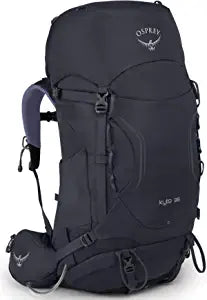
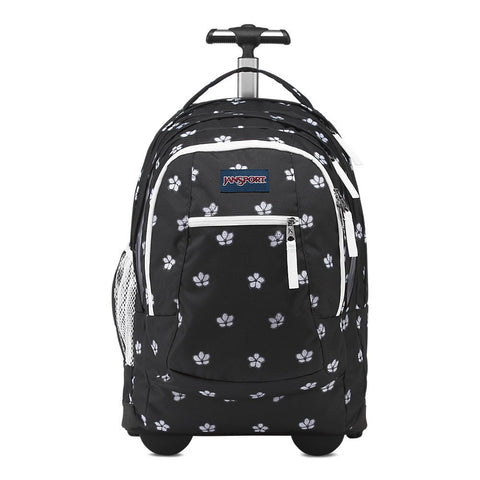



Ski Backpacks
Ski backpacks range from compact resort and hydration packs to technical touring designs and large ski-boot travel bags. These categories solve different problems. Use this collection to compare current products by capacity, winter fit, equipment carry, access and weather protection, then verify exact specifications on the current listing.
Quick answer: how should you choose a ski backpack?
Define the terrain and complete winter load first. A resort skier may need a low-profile pack for hydration and a layer, while a backcountry traveler may need trained access to specific tools, stable ski carry and more capacity. A boot backpack prioritizes footwear transport rather than on-slope performance. Test the pack loaded over normal winter clothing.
As an Amazon Associate, we may earn from qualifying purchases.
Match the pack to the activity
Lift-served skiing, boot transport and human-powered touring create different requirements. Compact resort packs should remain controlled around lifts and provide easy access to essentials. Boot backpacks need large rigid-footwear compartments, ventilation, drainage and a reinforced base. Technical backcountry packs need route-appropriate capacity and access that works within a trained winter-safety system.
Do not select one category because it has more liters or pockets. Write down what stays at the lodge, what travels from the vehicle and what must remain on the body. This prevents a bulky travel bag from being mistaken for a ski pack or a small hydration bag from being overloaded.
Capacity and winter gear
Winter insulation consumes space quickly. Lay out layers, gloves, goggles, water, food and route-specific equipment before comparing capacity. Select the smallest pack that holds mandatory gear correctly without forcing zippers. Larger designs should compress effectively when partly empty.
Two packs with the same liters can differ because of back panels, safety-tool sleeves, hydration space and curved profiles. External dimensions and a physical packing test reveal more than capacity alone.
Fit over ski clothing
Fit the backpack over the jacket and layers expected on the mountain. Adjust the hipbelt first when present, then shoulder straps, load lifters and sternum strap. Buckles should remain reachable with gloves, and the harness should not block helmet movement.
Bend, rotate and reach in a controlled setting. A stable load should follow the torso without swinging or pulling backward. Women's and men's labels can guide initial fit, but torso length, shoulder geometry and individual comfort decide the result.
Ski and snowboard carry systems
Current packs may support diagonal skis, A-frame skis or vertical snowboard carry. Verify exact equipment compatibility and use only manufacturer-supported arrangements. Edges and bindings should not cut the bag or strike the wearer, and loose straps need secure management.
Practice mounting equipment at home before a route transition. Walk carefully in a controlled area to assess balance and clearance. The carry system must work with the pack fully loaded.
Safety-tool organization
A shovel-and-probe compartment does not replace avalanche education, current information, judgment, rescue practice or qualified instruction. Backcountry users should train with the exact equipment and pack under appropriate guidance.
Where the design includes dedicated tool storage, confirm the exact tools fit and can be removed with gloves. Do not bury or obstruct critical access. The backpack supports a practiced system; ownership alone does not create preparedness.
Hydration in cold weather
Reservoir compatibility and insulated routing can improve convenience but do not prevent freezing in every condition. Follow reservoir cold-weather instructions, test the hose and bite valve, and keep the system from blocking straps or safety access.
Separate water from electronics and dry insulation. A leak inside a winter pack can have serious consequences, so an independent protective layer is sensible for critical contents.
Boot backpack bags
Ski boot backpack bags commonly hold boots, helmet, goggles, gloves and outerwear for travel to the mountain. Confirm boot-shell size, ventilation, drainage and whether a stated helmet pocket fits the exact helmet. Reinforced or waterproof bottoms help on wet ground but still require drying.
Test lifting, walking, standing and vehicle storage with the bag full. Check whether shoulder straps support the weight comfortably. Large boot bags generally serve a different purpose from technical skiing backpacks.
Weather, drying and care
Water-resistant and waterproof are not interchangeable. Zippers and seams may remain vulnerable even when the main fabric sheds snow. Protect critical dry gear independently and review the exact product claim.
Brush away snow before entering a warm space, empty every pocket and dry the pack completely. Follow the care label, avoid harsh chemicals and inspect ski-carry contact points before the next outing.
Ski backpack research library
These 15 guides separate the broad keyword into selection, value, packing, boot travel, resort use, backcountry access, hydration, equipment carry, avalanche-tool organization, Osprey Kamber models, women's fit and capacity decisions.
- How to Choose Ski Backpacks: Size, Fit and Features — Use this guide for choosing a ski backpack by comparing loaded fit, equipment carry, access, snow management and route-appropriate capacity, capacity, winter fit, access and care.
- Are Ski Backpacks Worth It? Pros, Cons and Best Uses — Use this guide for deciding whether a ski backpack is worthwhile by comparing purpose-built carry, stable fit, wet-gear handling and features used on the intended terrain, capacity, winter fit, access and care.
- How to Pack, Use and Care for Ski Backpacks — Use this guide for packing, using and caring for a ski backpack by comparing weight placement, emergency access, wet-item separation and complete drying, capacity, winter fit, access and care.
- Best Ski Backpacks: What Skiers Should Compare — Use this guide for finding the best ski backpack by comparing terrain-specific capacity, secure carry, harness stability, access and weather protection, capacity, winter fit, access and care.
- Ski Boot Backpack Bags: Size, Compartments and Travel — Use this guide for choosing a ski boot backpack bag by comparing boot fit, ventilation, drainage, helmet space, reinforced base and travel handling, capacity, winter fit, access and care.
- Backcountry Ski Backpacks: Fit, Safety Access and Carry Systems — Use this guide for choosing a backcountry ski backpack by comparing training-compatible safety-tool access, stable ski carry, route capacity and loaded movement, capacity, winter fit, access and care.
- Resort Ski Backpacks: Small Packs for Lift-Served Days — Use this guide for selecting a resort ski backpack by comparing low-profile fit, lift comfort, hydration, layer storage and controlled straps, capacity, winter fit, access and care.
- Ski Hydration Backpacks: Reservoirs, Insulation and Cold Weather — Use this guide for choosing a ski hydration backpack by comparing reservoir capacity, insulated routing, bite-valve management, fit and leak containment, capacity, winter fit, access and care.
- How to Carry Skis or a Snowboard on a Backpack — Use this guide for using ski and snowboard backpack carry systems by comparing compatible attachment geometry, load stability, edge protection and clearance, capacity, winter fit, access and care.
- Ski Backpacks With Avalanche-Gear Compartments — Use this guide for evaluating ski backpacks with avalanche-tool compartments by comparing dedicated shovel and probe access, glove-friendly operation and practice under pressure, capacity, winter fit, access and care.
- How to Choose Osprey Kamber Backpacks — Use this guide for choosing an Osprey Kamber backpack by comparing current size, torso fit, route load, equipment attachments and access, capacity, winter fit, access and care.
- What Fits in Osprey Kamber Backpacks? Packing Guide — Use this guide for packing an Osprey Kamber backpack by comparing capacity-specific packing, dense weight placement and fast access to critical items, capacity, winter fit, access and care.
- Osprey Kamber vs. Other Ski Backpacks — Use this guide for comparing Osprey Kamber backpacks with alternatives by comparing body fit, capacity, equipment carry, access and features needed for the route, capacity, winter fit, access and care.
- Women's Ski Backpacks: Fit, Capacity and Winter Comfort — Use this guide for choosing a women's ski backpack by comparing torso length, shoulder geometry, hipbelt placement, capacity and equipment carry, capacity, winter fit, access and care.
- Small vs. Large Ski Backpacks: Capacity Guide — Use this guide for comparing small and large ski backpack capacities by comparing non-negotiable equipment, route duration, emergency margin and stable compression, capacity, winter fit, access and care.
Before buying
- Define the exact terrain and winter activity.
- Lay out mandatory gear before choosing liters.
- Complete a loaded fitting over winter clothing.
- Verify ski, snowboard, boot, helmet and hydration compatibility.
- Practice every attachment and access point with gloves.
- Confirm weather claims and protect critical dry gear independently.
- Match reviews to the exact model, size and generation.
- Check current seller, included accessories and return terms.
Frequently asked questions
What is the best size for a ski backpack?
There is no universal size. Resort carry, touring and boot transport require different volumes. Choose from the exact load and route.
Can any backpack carry skis?
No. Use a pack and attachment method designed for the exact equipment. Improvised carry can loosen or damage fabric.
Are ski boot bags backpacks?
Many have shoulder straps, but they are primarily travel gear. Their large profile and compartments differ from active ski packs.
Are ski backpacks waterproof?
Claims vary. Seams and zippers may admit water even on a resistant shell. Verify the exact listing and protect critical contents.
Do I need avalanche-tool storage?
That depends on terrain and a trained equipment system. A compartment never replaces education, judgment or rescue practice.
Browse the current products below and use the research library for the exact activity. Products are discovered here and purchased on Amazon, where specifications, availability, colors and included accessories should be confirmed.


