






Tool Backpacks
Tool Backpacks help electricians, HVAC technicians, contractors, maintenance professionals, and serious DIY users transport dense equipment while keeping both hands free. This collection brings together work-focused backpacks with different capacities, bases, pocket panels, laptop storage, materials, and carry systems. Use the products below for comparison, then open the 15 detailed guides for help matching a backpack to your tools, trade, route, and working conditions.
Quick Answer: Choosing a Tool Backpack
Start with the tools used on a normal shift rather than every item owned. Measure the largest awkward equipment, identify sensitive electronics, and estimate realistic loaded weight. Look for a reinforced or molded base, stable vertical storage, durable zippers, protected device space when necessary, and shoulder straps that remain comfortable while walking. The best tool backpack fits the regular kit without encouraging excess weight.
Disclosure: As an Amazon Associate, Backpacks4Less may earn from qualifying purchases made through links on this page, at no extra cost to you.
Capacity and Organization
Capacity numbers do not explain how efficiently a bag holds rigid tools. Compare the main opening, internal panels, pocket depth, and the space occupied by padding. Tall sleeves suit drivers and pliers, zippered zones protect fasteners, and visible organization makes a missing tool easier to notice. Leave modest room for consumables or a replacement part without choosing a bag so large that unnecessary equipment becomes permanent cargo.
Build a repeatable packing map. Keep dense tools close to the back panel, balance the left and right sides, close sharp edges, isolate liquids, and place the most-used items between waist and shoulder height. Flexible space still matters because changing jobs may require a temporary specialty tool or removed component.
Base and Jobsite Durability
A molded polymer base helps a backpack stand upright and keeps fabric above damp or dirty floors. Reinforced textile bases can reduce weight and flex more easily. Evaluate the entire construction: strap anchors, handle attachment, seam binding, zipper paths, abrasion panels, and edge protection. Heavy fabric alone cannot compensate for weak stitching or poor load placement.
Water-resistant does not automatically mean waterproof. Check the exact product listing, zipper coverage, seam design, and base height. Use sealed pouches for meters, laptops, batteries, and paperwork in persistent rain. Regularly remove grit from the base and zipper tracks because abrasive debris shortens the life of even rugged materials.
Compare Current Tool Backpack Options
Comfort at Realistic Weight
A backpack can distribute weight across both shoulders, but comfort depends on fit and packing. Contoured straps should avoid the neck, the back panel should stop hard tools from pressing through, and the loaded bag should stay close to the torso. A sternum strap can improve stability on stairs and uneven ground. Test the bag indoors with real equipment, then walk, bend, turn, and reach overhead before deciding.
When a load pulls backward, move dense tools inward and upward around the middle of the torso. Tighten shoulder straps evenly and remove equipment carried only from habit. If a reasonable kit remains too heavy, split specialty equipment into a second case instead of relying on thicker padding or tighter straps.
Laptop and Electronics Storage
A laptop sleeve must fit the actual device and remain separated from metal tools. Look for padding, a false bottom, and enough structure to stop a drill or wrench from swinging into the device. Keep liquids, fasteners, batteries, and test leads in their own zones. A sleeve advertised for a particular screen size may still be too narrow or shallow, so verify internal measurements.
Matching the Bag to the Trade
Electricians may prioritize quick visual access to drivers, pliers, testers, and meters. HVAC technicians often need longer tools, diagnostic equipment, and room for consumables. Mobile service technicians may carry a laptop and need a professional exterior for customer visits. Contractors on rough sites may value a molded base, while workers moving through smooth corridors may consider a rolling system.
List the five tools used most often and the three most awkward pieces in the kit. A good design should make those eight items easy to carry and retrieve before it adds specialty features for occasional situations. This simple test filters out impressive-looking bags whose layouts do not support the real workflow.
Check Tool Backpack Features and Prices
Tool Backpack, Tool Bag, or Rolling Model?
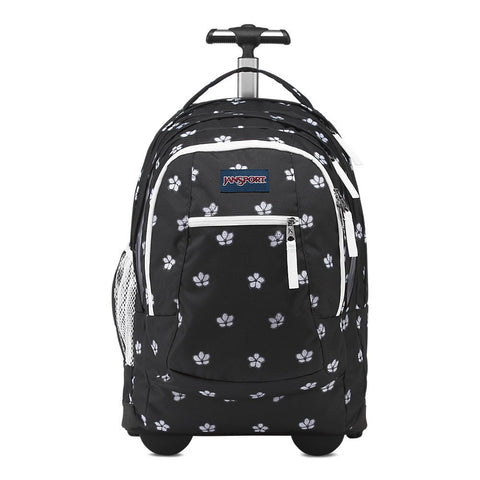
A backpack leaves both hands free and balances the load for stairs, transit, and longer walks. An open tool bag can offer faster access at a fixed workbench. A rolling backpack reduces carried weight on smooth ground but adds wheels, frame hardware, and empty weight. Map the route from vehicle to work area and choose the system that handles the most common surface and access pattern.
Price and Long-Term Value
Value includes organization, comfort, reduced tool damage, durability, warranty support, and the number of shifts the bag will serve. Daily professionals may justify reinforced materials and serviceable hardware, while occasional household users may not need the same construction. Compare cost per use rather than price alone, and avoid paying for wheels, laptop padding, or oversized capacity when those features do not solve repeated problems.
Complete Tool Backpack Guide Library
Use these 15 articles to research broad selection questions and specialized needs:
- How to Choose Tool Backpacks: Fit, Size & Features
- Are Tool Backpacks Worth It? Pros, Cons & Uses
- How to Pack, Use & Care for Tool Backpacks
- Best Tool Backpack Features for Organized Work
- Klein Backpack Tool Bag Buying Guide
- Tool Backpack With Laptop Compartment: What to Know
- Heavy Duty Tool Backpack Guide for Demanding Jobs
- Backpack for Tools: How to Match Capacity to Your Load
- Electrician Tool Backpack Buying Guide
- HVAC Tool Backpack Buying Guide
- Technician Tool Backpack for Mobile Service Work
- Tool Backpack vs Tool Bag: Which Carry Style Wins?
- Water-Resistant Tool Backpacks for Wet Jobsites
- Rolling Tool Backpack vs Wearable Tool Backpack
- Small vs Large Tool Backpack: Choose the Right Size
Pre-Purchase Checklist
- Measure the largest regular tools and any laptop or tablet.
- Estimate normal loaded weight and maximum walking distance.
- Confirm the opening, base, fabric, seams, zippers, and strap anchors.
- Check that frequently used tools have logical accessible positions.
- Verify device-sleeve measurements and separation from metal tools.
- Read the warranty, care instructions, and return window.
- Test the complete load indoors before removing tags.
View Today’s Tool Backpack Listings
Frequently Asked Questions
Are tool backpacks better than tool bags?
Tool backpacks are often better for hands-free movement, stairs, and balanced carrying. Open tool bags can be faster at a stationary work area. The route and access pattern determine the better choice.
How many pockets should a tool backpack have?
Enough pockets means every frequently used tool has a stable logical location while flexible room remains. A high count is not useful when the sleeves are too small or hidden beneath other equipment.
Do tool backpacks protect laptops?
Only models with a correctly sized, padded, separated compartment should be trusted with a device. Verify exact sleeve dimensions and prevent dense tools from striking the electronics.
Are tool backpacks waterproof?
Most are water-resistant rather than waterproof. Confirm the current listing and use sealed protection for sensitive equipment during prolonged exposure.
How should a loaded bag be tested?
Load normal equipment, adjust both straps evenly, walk for several minutes, climb stairs if practical, bend, turn, and check whether every common tool is reachable without unloading the pack.
Final Verdict
A well-selected tool backpack should make work more organized and movement more comfortable. Match capacity to the regular kit, prioritize useful structure over an inflated pocket count, protect electronics, and test fit at real weight. Compare the current products below and use the 15 focused articles above whenever a particular trade or feature deserves a deeper review.


