




Ultralight Backpacks
Ultralight Backpacks reduce carried weight for hiking, backpacking, travel, and compact everyday use, but the lightest model is not automatically the best choice. Fit, maximum load, capacity, suspension, weather protection, and durability must still match the complete gear system. Compare the current products below, then use the 15 detailed guides for deeper help with sizing, packing, sleeping systems, frame choices, and trail comfort.
Quick Answer: How Should You Choose an Ultralight Backpack?
Assemble the actual gear list first, including seasonal insulation, shelter, food, water, and required safety equipment. Choose capacity from that load, then match frame support and torso fit to the heaviest expected carry. A slightly heavier backpack that transfers weight comfortably can perform better than an extremely light model used above its intended range.
As an Amazon Associate, we may earn from qualifying purchases.
Shop Ultralight Backpacks on Amazon
Ultralight Backpacking Is a Complete System
Pack weight includes more than the empty backpack. Base weight generally covers carried equipment except consumables, while total weight adds food, water, and fuel. The highest load may occur immediately after a resupply or on a dry route requiring several liters of water. Select the pack for that demanding moment rather than the lowest number shown on a gear spreadsheet.
Weight reduction should never remove essential insulation, first aid, navigation, water capacity, weather protection, or legally required food storage. Skills and trip planning create safer savings by reducing redundancy and choosing multipurpose equipment. Test the complete system close to home before taking it into remote terrain.
Capacity: 20L, 30L, 40L, or Larger?
Small packs can work for day hikes, fast overnights, or travel with compact equipment. Mid-size packs often suit streamlined weekend systems. Larger ultralight backpacks may be necessary for cold-weather insulation, bear canisters, family equipment, or longer food carries. Liters describe volume but not how efficiently a roll top, front pocket, side pockets, or internal frame uses that space.
Sleeping bags and quilts often determine volume because insulation can be bulky even when light. Pack the actual sleep system, shelter, clothing, cookware, and food storage before deciding. An undersized bag stresses seams and complicates rain protection, while excessive spare volume invites unnecessary equipment and unstable packing.
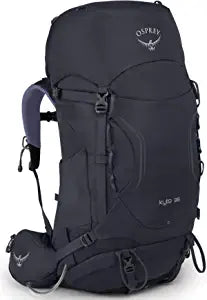
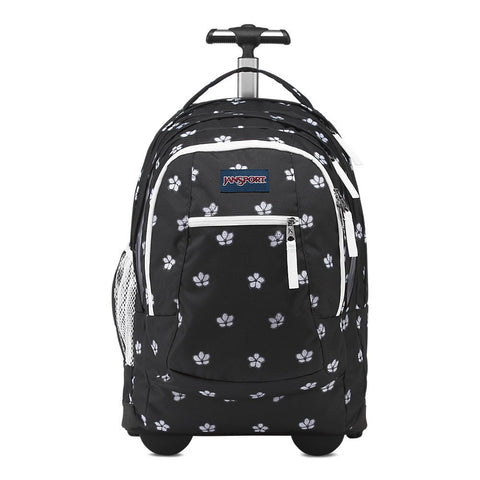
Compare Current Ultralight Backpack Options
Framed vs Frameless Ultralight Backpacks
Framed packs use stays, sheets, or perimeter structures to transfer part of the load toward the hips. They can be worth a modest weight increase when water or food pushes total weight upward. Frameless packs are simple and light but depend on lower loads, thoughtful packing, and sometimes a folded sleeping pad for structure.
Compare the manufacturer’s recommended load range with the maximum trip load rather than base weight alone. A design that feels comfortable for a short walk with ten pounds may create shoulder fatigue after several hours with twenty-five. Personal preference matters, so loaded testing and a practical return window are valuable.
Torso Fit, Shoulder Straps, and Hip Belts
Measure torso length using the method specified by the manufacturer and check the hip-belt range. Some models use fixed torso sizes while others adjust. Shoulder straps should wrap comfortably without pinching the neck, and the pack should remain close to the body. Women-specific models may change torso lengths, strap shape, hip-belt geometry, or sizing rather than merely color.
Test with maximum expected weight and the clothing worn on trail. Walk stairs, bend, turn, and reach overhead. Thin padding can be comfortable under a genuinely light load but insufficient when extra water is required. Fit is individual, and two packs with similar dimensions can distribute pressure very differently.
Check Ultralight Backpack Features and Prices
Materials and Durability
Ultralight packs use woven fabrics, coatings, laminates, high-strength fibers, and carefully minimized hardware. Fabric weight alone does not determine durability. Examine reinforcement at the base, shoulder anchors, frame contacts, compression points, and pocket edges. Maintained trails may allow very light construction, while scrambling, desert rock, brush, and airline handling can justify stronger material.
Repairability improves long-term value. Carry compatible repair tape or patches and address small damage promptly. Brush away grit, follow care instructions, avoid high heat, and store the pack dry and out of direct sunlight. Treating a lightweight backpack thoughtfully can matter as much as choosing a heavier fabric.
Rain and Dry Storage
Water-resistant fabric does not guarantee a waterproof backpack. Seams, zippers, roll tops, hydration ports, and abrasion points may admit moisture. Protect sleeping insulation, spare clothing, electronics, and critical paperwork with a waterproof liner or reliable dry storage. Rain covers can help, but wind and exposed back panels limit their protection.
Wet shelters and rain gear can ride outside the protected main compartment. After a trip, empty every pocket and let the backpack dry completely. Inspect seam tape, coatings, and high-wear areas before the next outing.
How to Pack for Balance
Place dense food, water, and cooking equipment close to the back and around the middle of the torso. Soft insulation can fill the lower lined compartment and cushion harder objects. Balance both sides, prevent sharp corners from pressing against fabric, and keep the load compact. Compression should stabilize contents without crushing fragile gear.
Keep water, snacks, navigation, sun protection, rain gear, first aid, and filtration accessible. A consistent pocket map saves time in poor weather and fading light. Avoid overloading exterior mesh pockets with dense items because that moves weight away from the body and increases snag risk.
Ultralight Backpacking Sleeping Bags and Gear
A compact sleep system can reduce both weight and required backpack volume. Many hikers place a protected sleeping bag or quilt at the bottom of a lined main compartment so it fills unused space. Follow the insulation maker’s compression and storage instructions, and never let wet shelter fabric share unprotected space with the sleep system.
Evaluate each piece of ultralight backpacking gear by function. The cheapest reductions often come from removing duplicates, improving skills, and selecting equipment that serves more than one purpose. Major replacements make more sense after the full system is understood because a lighter shelter or sleep system may allow a smaller backpack.
Complete Ultralight Backpack Article Library
These 15 guides cover broad selection questions and focused ultralight decisions:
- Lightweight Backpacks vs Daypacks: Which Is Best for You?
- How to Choose Ultralight Backpacks: Fit, Size & Features
- Are Ultralight Backpacks Worth It? Pros, Cons & Uses
- How to Pack, Use & Care for Ultralight Backpacks
- Ultralight Backpack Buying Guide for Hiking and Travel
- Ultralight Backpacking Gear: Build a Balanced Pack
- How to Pack an Ultralight Backpacking Sleeping Bag
- Frameless vs Framed Ultralight Backpacks
- 20L vs 30L vs 40L Ultralight Backpacks
- Best Ultralight Backpack Features for Comfortable Miles
- Ultralight Hiking Backpacks for Women: Fit Guide
- Waterproof vs Water-Resistant Ultralight Backpacks
- Ultralight Travel Backpacks: Packable vs Structured
- Backpack Weight vs Base Weight in Ultralight Backpacking
- How Durable Are Ultralight Backpacks?
Final Buying Checklist
- Build the complete seasonal gear list before choosing capacity.
- Include maximum food and water in the loaded test.
- Measure torso length and confirm the hip-belt range.
- Match framed or frameless suspension to total carried weight.
- Protect insulation and electronics with dependable dry storage.
- Inspect base, seams, shoulder anchors, pockets, and repair options.
- Walk locally with the full load before a major trip.
View Today’s Ultralight Backpack Listings
Frequently Asked Questions
What counts as an ultralight backpack?
There is no single universal cutoff. The term describes low-weight designs, but useful comparison requires looking at capacity, suspension, materials, and the load a particular model is built to carry.
Do ultralight backpacks need frames?
Frameless packs can work for carefully packed low loads. Framed designs usually transfer weight more effectively when food and water raise the total carry.
Are ultralight backpacks durable?
Many provide long service when matched to maintained terrain and handled carefully. Rough rock, brush, dragging, and overloading can favor reinforced construction.
Are ultralight backpacks waterproof?
Some materials block water, but seams and openings vary. Use a liner or dry bags for insulation and other critical contents.
Can ultralight backpacks be used for travel?
Yes, particularly packable and lightweight daypack styles. Confirm airline dimensions, device protection, security needs, and how the fabric will handle repeated transit use.
Final Verdict
The right ultralight backpack reduces unnecessary weight while preserving the fit, support, protection, and capacity required by the trip. Treat the pack as one part of the entire system, test it with the heaviest expected load, and make safety decisions before pursuing a lower number on the scale. Use the products and 15 guides in this hub to compare current options carefully.


