




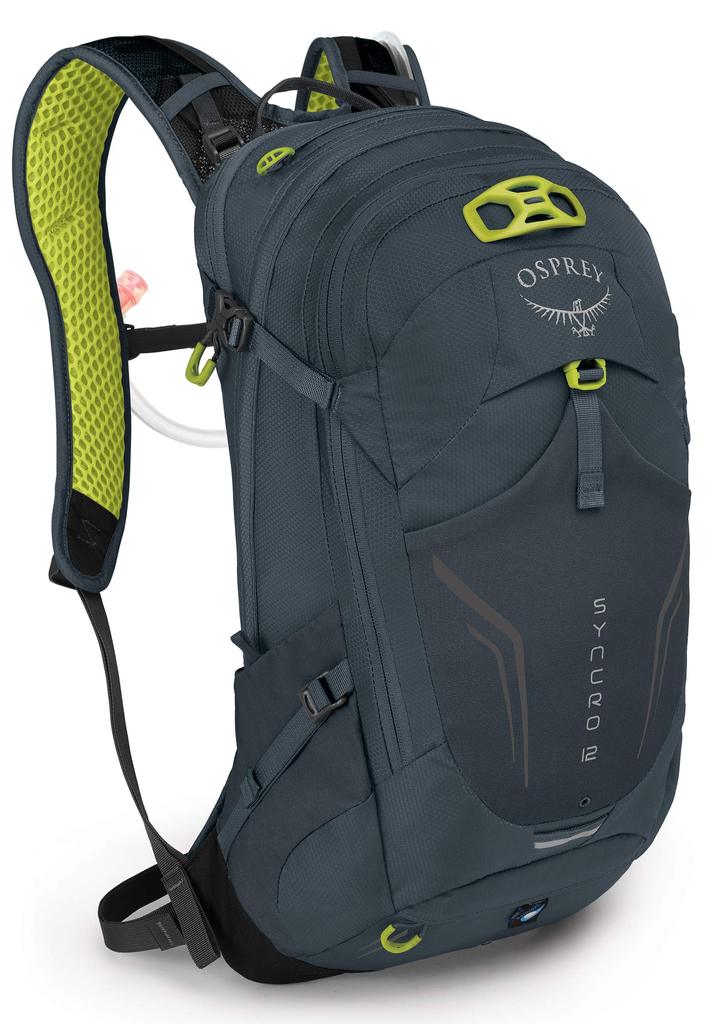
Best Laptop Backpacks for Men: Work, Travel & Everyday Guide
Laptop backpacks for men should be selected by laptop fit, torso fit, carrying load, and intended use—not by a generic gender label. The best choices combine a correctly sized padded compartment with adjustable straps, useful organization, and a style appropriate for work, travel, school, or everyday carry.
Quick Answer: For most daily routines, choose a 20–30 liter laptop backpack with a suspended or well-padded sleeve, adjustable shaped straps, a supportive back panel, and separate storage for the charger and bottle. Measure the laptop’s full width, height, and thickness, then check the backpack’s usable compartment dimensions.
As an Amazon Associate, we may earn from qualifying purchases.
Compare current laptop backpacks for men on Amazon.
How We Define the Best Laptop Backpacks for Men
The strongest backpack is the one that fits the person and the load. Body proportions vary, so adjustable straps and realistic measurements matter more than a “men’s” label. Evaluate laptop protection, capacity, shoulder width, torso length, empty weight, materials, pocket layout, and whether the bag remains comfortable when fully packed.
A streamlined commuter bag may work for a laptop and documents. A larger travel model may be appropriate when clothing or gym gear is added. Avoid buying extra capacity without a reason because a larger bag encourages overpacking and can feel awkward in crowded transit.

Measure the Laptop Before Choosing the Backpack
Laptop screen size is measured diagonally and does not describe the complete computer. Close the device and measure its width, front-to-back depth, and maximum thickness. Include a hard shell that stays attached. Compare these figures with the compartment’s usable internal dimensions.
A little clearance supports smooth access, but excessive movement reduces stability. Look for a retaining closure and padding on both broad faces. Use our laptop measurement guide for step-by-step instructions.
Best Capacity by Use
| Capacity | Best use | Typical load |
|---|---|---|
| 15–20 liters | Minimal commute | Compact laptop, charger, notebook |
| 20–25 liters | Work and everyday carry | Laptop, documents, bottle, lunch, light layer |
| 25–30 liters | School, gym, or long commute | Technology plus books, clothing, or larger accessories |
| 30–40 liters | Travel | Laptop plus multi-day packing, subject to external dimensions |
Best Laptop Backpacks for Work
A work backpack should protect the device, organize documents, and suit the professional setting. Look for a structured profile, discreet security pocket, cable organizer, strong grab handle, and luggage pass-through. Browse business laptop backpacks for work-focused options.
For a more traditional appearance, compare leather laptop backpacks. Leather can add empty weight, so verify strap comfort and care requirements.
Best Laptop Backpacks for Travel
Travelers benefit from independent laptop access, a clamshell clothing compartment, passport storage, external bottle pocket, and a luggage sleeve. The fully packed exterior must comply with the airline’s current rule; a “carry-on” product label is not a guarantee.
Compare travel laptop backpacks and measure the bag after packing. Personal-item and carry-on limits are separate from laptop-compartment size.

Backpack Fit for Different Body Types
Adjustability is essential. The bag should sit close to the back, and the shoulder straps should distribute weight without rubbing the neck. A sternum strap can stabilize a heavier load. Taller users should still avoid an unnecessarily long bag, while shorter users should check that the base does not hang too low.
Product descriptions may not publish torso length. In that case, compare the backpack’s external height with a bag that already fits and use the return window to test the normal load indoors.
Laptop Protection Features
A suspended sleeve ends above the backpack floor and provides a buffer when the bag is set down. If the sleeve reaches the bottom, look for substantial base padding. The charger, keys, and hard adapters should have separate pockets so they cannot press against the computer.
Water-resistant fabric can handle brief light rain but is not automatically waterproof. Protected zippers and a rain cover add useful defense. Keep bottles outside the electronics section.
Organization That Actually Helps
- Dedicated padded laptop sleeve
- Separate charger and cable pocket
- Document or tablet section
- External bottle storage
- Quick-access pocket for keys or earbuds
- Hidden pocket for a wallet or passport
- Luggage pass-through for travel
More pockets are not always better. Choose a layout based on the real packing list and leave enough room for normal zipper closure.
Gaming and Large-Laptop Options
Gaming laptops and mobile workstations are often thicker than everyday notebooks. Verify the complete chassis dimensions, reinforced base, room for the power brick, and strong load-bearing straps. Browse gaming laptop backpacks and 17-inch laptop backpacks.
Rolling Laptop Backpacks
Wheeled designs reduce shoulder carry for a heavy computer and documents. Check wheel housing, handle height, stability, and whether straps store clear of the wheels. Compare rolling laptop backpacks when long airport or campus walks make carrying uncomfortable.

Durability Checklist
Inspect zipper tracks, shoulder-strap anchors, top handles, bottom material, and seam reinforcement. A good bag should handle its expected load without the straps twisting or the base collapsing. Product warranty terms and care instructions also provide useful context.
Laptop Backpack vs. Briefcase
A backpack distributes weight across both shoulders and generally works better for walking, transit, and heavier loads. A briefcase offers traditional presentation and fast side access. Choose by the commute and carried weight. Read our laptop backpack vs. briefcase comparison.
Buying Checklist
- Measure the laptop and attached case.
- Verify internal sleeve dimensions.
- List the full daily load.
- Choose the smallest useful capacity.
- Check padding and base protection.
- Confirm strap and back-panel support.
- Keep bottles away from electronics.
- Evaluate materials and empty weight.
- Measure packed dimensions for travel.
- Test the complete load indoors.
Start With the Real-World Scenario
Evaluate laptop backpacks for men against the user’s actual torso proportions, commute, workplace, and normal equipment load. A specification becomes useful only when it solves part of that routine. Write down where the bag will be carried, how often the laptop will be removed, how long it stays on the shoulders, and what must remain accessible.
Shoulder width, torso length, and flexibility vary between individuals. Published bag height and adjustable strap range provide better evidence than a men’s or unisex label. This context prevents attractive but irrelevant features from outweighing fit, protection, and comfort.
Separate Required Features From Optional Extras
Create two lists before comparing products. Required features should include measured laptop compatibility, adequate base protection, comfortable loaded carry, and enough usable capacity. Optional features might include a USB pass-through, decorative details, an unusual opening, or extra organizer pockets.
Rank each option against the required list first. A bag that satisfies every optional preference but misses one laptop dimension is not a workable choice. This simple process also reduces the tendency to buy a larger, heavier design simply because it advertises more features.
Inspect Construction at Stress Points
The shoulder-strap anchors, top handle, zipper ends, bottom corners, and seams around the laptop section experience repeated strain. Product photos should show these areas clearly. Reinforcement, stitching quality, and material thickness matter most when the load includes a heavy computer and charger.
Openings should move smoothly without pulling the bag out of shape. A structured backpack should return to its intended form after packing, while a soft design should not collapse until hard accessories press into the laptop.
Evaluate Empty Weight and Packed Weight
Protective materials, leather, wheels, frames, locks, and waterproof laminates add empty weight. Add the laptop, power adapter, bottle, and normal contents when judging comfort. A feature-rich backpack can become tiring before the trip or workday is half over.
Reduce duplicate chargers, unnecessary paper, and “just in case” items during the first packing test. If the bag remains uncomfortable, a different harness or carrying format is a better solution than accepting strain.
Use a Repeatable At-Home Fit Test
Keep packaging and tags intact, then adjust both straps and sternum strap, load the normal equipment, and check where the base sits on the torso. Close every zipper normally and check the corners of the laptop compartment. Walk indoors for at least several minutes, climb stairs, sit, and retrieve the items used most often.
Watch for strap slippage, a base that hangs too low, pressure against the back, or contents shifting when the bag turns. Repeat the test after adjusting the straps. If normal access remains awkward, that inconvenience will become more noticeable with daily use.
Plan for the Main Failure Risk
For this category, a central risk is choosing an oversized bag or a poor harness from a gendered marketing label. Identify how the bag’s construction and the packing method address that risk. Do not rely on a product name when dimensions, material details, and closure design provide more direct evidence.
A second layer of protection is often inexpensive: a padded sleeve, sealed pouch, rain cover, organizer case, or careful pocket placement. Layering does not excuse a poor backpack, but it can protect against realistic mistakes and changing conditions.
Understand Warranty, Care, and Return Information
Review the maker’s care instructions before cleaning or applying a treatment. Coatings, adhesives, leather, structured padding, and water-resistant zippers can be damaged by heat, machine washing, or harsh cleaners. Follow the specific label rather than a general backpack-cleaning rule.
Warranty length alone does not explain coverage. Read exclusions and retain purchase information. A useful return period lets the shopper conduct a loaded indoor test without committing to an uncomfortable fit.
Compare Value Instead of Price Alone
Value depends on expected frequency, protection, comfort, and usable life. A lower-cost bag can be appropriate for occasional light carry, while daily use may justify stronger construction. Expensive branding does not automatically provide better laptop fit.
Compare like with like. A lightweight commuter backpack should not be judged against a wheeled travel model only by price, and a specialized security or waterproof design may cost more because of its construction.
Adapt the Choice Over Time
Needs can change after a new laptop, job, school schedule, commute, or airline routine. Avoid a fit so exact that a thin protective shell makes the sleeve unusable, but do not buy excessive capacity for an imagined future load.
Choose according to fit and use. A compact professional bag, large gaming backpack, and travel pack solve different problems even when marketed to the same shopper. Reassess the packing list periodically and remove items that are never used.
Seasonal and Situational Considerations
During year-round work, school, and travel, availability and carrying conditions may change. Recheck current product specifications rather than relying on an older review. Weather, clothing layers, and the length of the commute can also affect comfort.
When traveling, check current airline and battery rules close to departure. When commuting, consider visibility, public-transit crowding, and where a wet umbrella or bottle will be stored.
Expert Decision Framework
- Measure the laptop and any attached case.
- Define the complete real-world load.
- List required and optional features separately.
- Check compartment construction and base protection.
- Review stress points and empty weight.
- Evaluate the category-specific failure risk.
- Test access and comfort with the full load.
- Review care, warranty, and return information.
- Compare value among bags serving the same use.
- Choose only after the practical test succeeds.
Frequently Asked Questions
What size laptop backpack is best for men?
About 20–30 liters works for many daily routines, but laptop dimensions and the complete packing list should determine the choice.
How should a laptop backpack fit?
It should sit close to the back with both straps adjusted evenly and the base above the lower waist area.
What size backpack works for a 15.6-inch laptop?
Use the computer’s full dimensions and the sleeve’s internal dimensions. The screen label alone is insufficient.
Are laptop backpacks professional?
Yes when the design, material, condition, and capacity fit the workplace.
Can a laptop backpack be a personal item?
It can when the fully packed external dimensions meet the airline’s current personal-item rule.
Is leather better than nylon?
Leather offers a different appearance and care profile; nylon often weighs less and may provide practical weather resistance. Construction matters more than material name alone.
Are anti-theft features worth it?
They can discourage casual access, but attentive handling and digital security remain necessary.
Final Verdict
The best laptop backpack for men is the model that fits the computer and the person, carries the complete routine comfortably, and provides useful protection without unnecessary bulk. Measure the laptop, load-test the bag, and choose features based on work, school, travel, or gaming needs.
Compare laptop backpacks for men on Amazon, or browse all laptop backpacks.
As an Amazon Associate, we may earn from qualifying purchases.
Sample Block Quote
Praesent vestibulum congue tellus at fringilla. Curabitur vitae semper sem, eu convallis est. Cras felis nunc commodo loremous convallis vitae interdum non nisl. Maecenas ac est sit amet augue pharetra convallis nec danos.
Sample Paragraph Text
Praesent vestibulum congue tellus at fringilla. Curabitur vitae semper sem, eu convallis est. Cras felis nunc commodo eu convallis vitae interdum non nisl. Maecenas ac est sit amet augue pharetra convallis nec danos dui.
Cras suscipit quam et turpis eleifend vitae malesuada magna congue. Damus id ullamcorper neque. Sed vitae mi a mi pretium aliquet ac sed elitos. Pellentesque nulla eros accumsan quis justo at tincidunt lobortis denimes loremous. Suspendisse vestibulum lectus in lectus volutpat, ut dapibus purus pulvinar. Vestibulum sit amet auctor ipsum.
Praesent vestibulum congue tellus at fringilla. Curabitur vitae semper sem, eu convallis est. Cras felis nunc commodo eu convallis vitae interdum non nisl. Maecenas ac est sit amet augue pharetra convallis nec danos dui.
Cras suscipit quam et turpis eleifend vitae malesuada magna congue. Damus id ullamcorper neque. Sed vitae mi a mi pretium aliquet ac sed elitos. Pellentesque nulla eros accumsan quis justo at tincidunt lobortis denimes loremous. Suspendisse vestibulum lectus in lectus volutpat, ut dapibus purus pulvinar. Vestibulum sit amet auctor ipsum.
