


3D Cartoon Backpacks: Are They Practical for School?
Backpacks4Less may earn a commission from qualifying purchases made through links in this guide, at no additional cost to you.
Quick Answer: A 3D cartoon backpack can be practical for school when the decorative parts do not replace usable storage. For everyday elementary-school use, look for a full-size main compartment, a wide zipper opening, two padded adjustable straps, a light empty weight, and raised details that are firmly stitched or molded into the front panel. Small plush-shaped bags are usually better for preschool, snacks, or short outings, while structured 15- to 17-inch models are more likely to hold folders and ordinary school supplies.
Browse current 3D cartoon backpack options on Amazon, then use the checks below to separate a fun school bag from a character accessory that only looks like one.
What Is a 3D Cartoon Backpack?
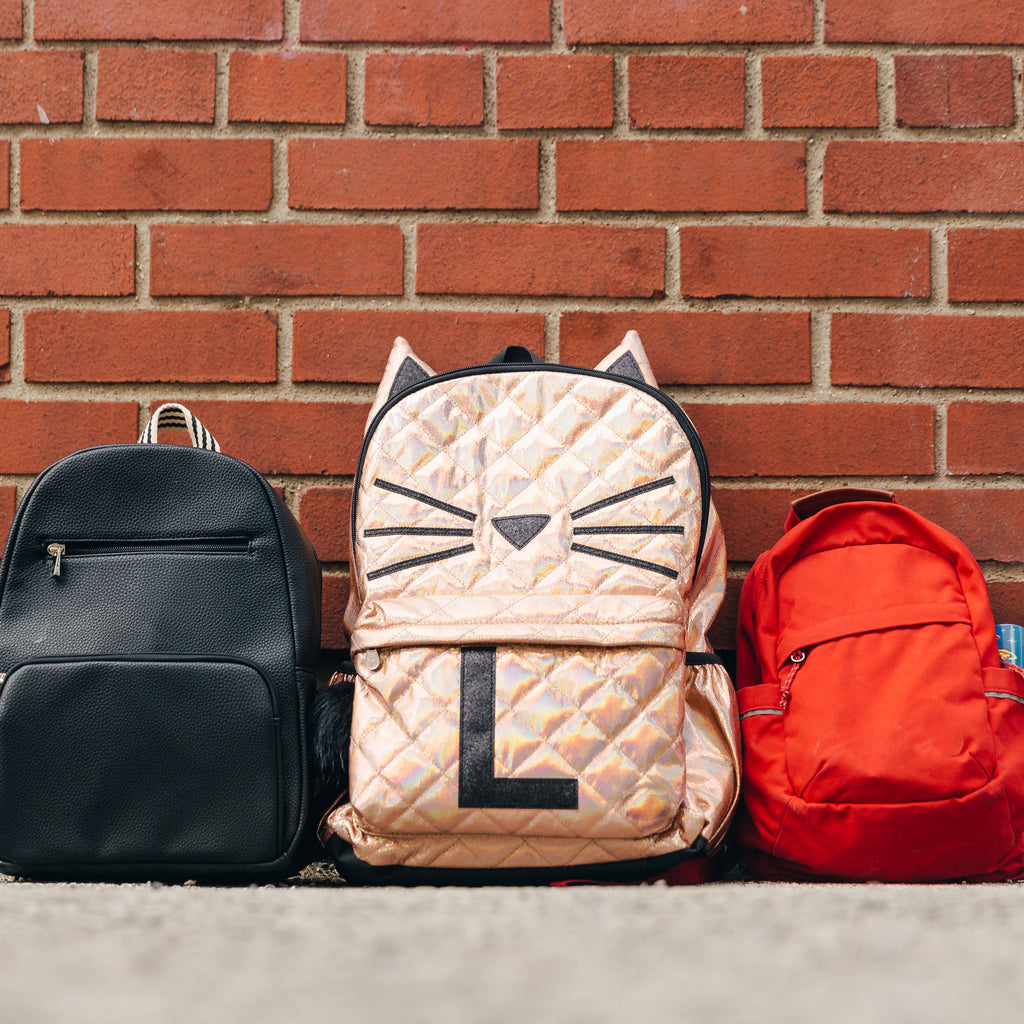
A 3D cartoon backpack uses physical depth to create its character effect. The design may include molded EVA faces, plush ears, wings, bows, spikes, appliqué layers, padded facial features, or a raised front pocket. That makes it different from a standard character backpack with a flat printed graphic. It is also different from a 2D cartoon-looking backpack, which uses outlines and optical-illusion artwork to appear like a drawing.
The term covers several very different products. A toddler bag shaped like a cartoon car, a school backpack with plush ears, and a rigid-shell gaming backpack may all be described as 3D. The label alone tells you almost nothing about capacity or school readiness. Dimensions, opening shape, internal depth, empty weight, and construction matter more than the character on the front.
3D vs. Printed vs. 2D Cartoon Backpacks
| Style | How the effect is made | Best advantage | Main tradeoff |
|---|---|---|---|
| 3D character backpack | Raised, molded, padded, or attached details | Highly recognizable and tactile | Decorations can snag, add bulk, or reduce usable space |
| Printed cartoon backpack | Flat character artwork on fabric | Usually light and easy to fit in lockers | Less dramatic character effect |
| 2D optical-illusion backpack | Bold outlines and perspective create a drawn look | Distinctive style for teens and adults | Often more fashion-oriented than character-specific |
None of these formats is automatically better. A well-built 3D model can be an excellent daily bag, while a flimsy flat-print bag can fail quickly. The practical question is whether the design supports the bag’s job or gets in the way of it.
Are 3D Cartoon Backpacks Good for School?
Yes, some are. A school-ready 3D backpack should first pass the same basic tests as any bag in our school backpack collection. It needs enough internal height for the student’s largest folder or notebook, a stable base, smooth zippers, comfortable straps, and pockets that match what the child carries.
The decorative front should be treated as a bonus. If a molded shell protects supplies and still leaves a rectangular interior, it can be genuinely useful. If large ears block the zipper, a rounded shape wastes the corners needed for folders, or a heavy plush face pulls the bag backward, the design is compromising function.
Compare school-size cartoon backpacks and their listed dimensions. Do not rely on photos alone; product images often make a preschool bag and a full-size bookbag look nearly identical.
Choose the Right Size for the Student
Start with the objects that must fit, not a general age label. Measure the tallest and widest folder, binder, tablet case, or lunch container the student carries. Compare those measurements with the backpack’s stated exterior dimensions, then allow for seams, padding, and a curved top that reduce internal room.
Preschool and daycare
Smaller 3D bags work well for a change of clothes, snacks, a comfort item, and a small water bottle. They can be easier for young children to manage independently. However, verify whether the daycare sends home standard letter-size papers or folders. Many adorable toddler bags cannot hold them without bending.
Elementary school
This is where shoppers need to be most careful. A bag may be advertised for school yet have a narrow or rounded interior. A typical full-size option in the 15- to 17-inch range is more likely to accommodate folders, but the actual measurements and shape still decide. Look for a broad rectangular main compartment and a zipper that opens far enough to load supplies without forcing them past decorative pieces.
Middle school, high school, and adults
Older users may want a cartoon design without toddler proportions. Prioritize laptop or tablet compatibility, strap length, understated raised details, and enough structure for heavier contents. Our broader cartoon backpack collection includes character-inspired choices across multiple age and style ranges.
How 3D Details Affect Usable Capacity
Exterior depth is not always storage depth. A pack listed as six inches deep may include a two-inch molded face that sits outside a much shallower compartment. Conversely, a raised front pocket may add useful organization rather than consume it.
Look closely at side-view images. Determine where the rear panel ends, where the main-compartment zipper sits, and whether the character shape is hollow storage, rigid decoration, or a separate pocket. Product descriptions that list capacity in liters are helpful, but measurements and interior photographs are often easier to compare across children’s bags.
A practical 3D school backpack should hold the normal load without the zipper stretching around notebooks. Overstuffing is especially hard on shaped front panels because pressure concentrates at seams, appliqué edges, and attachment points.
Comfort: Keep the Fun Design Light
The empty weight matters because books, a bottle, and lunch will add far more. Molded EVA panels can provide structure without being extremely heavy, but rigid plastic pieces, dense plush components, and oversized hardware may add weight before anything is packed.
For everyday use, look for two adjustable shoulder straps with padding across the area that touches the shoulders. A padded back panel helps prevent hard book corners from pressing into the wearer. The bag should sit close to the back rather than hanging low, and both straps should be worn together.
Do not buy extra-large solely so a child can “grow into it.” An oversized bag invites overpacking and may place the base too low. The best fit balances required capacity with the child’s torso. For more choices sized around younger wearers, see our kids backpack collection.
Inspect How the Decorations Are Attached
Raised details are the signature feature and the most likely wear points. Before choosing, zoom in on product images and look for these construction clues:
- Stitched appliqués: Multiple lines of stitching or bound edges generally give fabric features better support than a small glued area.
- Molded front panels: Check the seam where the shell joins the textile body. The connection should look even, without sharp or exposed edges.
- Ears, wings, and tails: Wide attachment bases distribute pulling force better than narrow tabs.
- Sequins and glitter: These can be fun but may require gentler cleaning and may not suit rough daily handling.
- Zipper pulls: Decorative pulls should be easy to grip without being so large that they catch on furniture or other bags.
Reviews can help reveal whether a specific design loses ears, peels, or separates at the shell, but read recent reviews for the exact size and variation. Marketplace listings sometimes combine reviews from several related products.
See current raised-character backpack designs and construction styles.
Will It Fit in a Locker, Cubbie, or Under a Seat?
3D details increase external bulk even when they do not add storage. This matters in tight classroom cubbies, bus aisles, lockers, and under-seat spaces. Measure the backpack at its thickest point, including ears, wings, shells, or protruding pockets. Soft attachments may compress; molded panels usually will not.
A bag with tall ears may fit inside a cubbie only when laid flat, and that can place pressure on the decorations. A wide character face can also take up more floor space than a conventional bag. If the school has strict locker dimensions or requires backpacks to hang from hooks, confirm those conditions before buying.
Zippers and Openings Matter More Than Extra Pockets
A large main compartment is only useful if a child can access it. Look for dual zipper pulls and an opening that extends down both sides. Top-only openings can make it difficult to insert folders into a structured shell. Test whether raised features sit close to the zipper track; loose ears or plush trim should not fold into it.
One accessible front pocket and a bottle pocket may be more useful than several tiny decorative pockets. Young students benefit when essentials have obvious homes: papers in the main compartment, lunch in a separate section if it fits, bottle upright outside, and small items in one zipped pocket.
Cleaning a 3D Cartoon Backpack
Always follow the care label for the specific product. Machine washing can deform molded fronts, damage foam, loosen glued decorations, or affect printed coatings. Unless the manufacturer explicitly permits it, spot cleaning is the safer starting point.
- Empty every compartment and shake out crumbs.
- Remove detachable accessories if the instructions allow it.
- Use a soft damp cloth with a small amount of mild soap on a hidden area first.
- Clean seams and raised edges gently rather than pulling or scrubbing them.
- Wipe away soap residue and air-dry the bag fully with compartments open.
Plush features may hold moisture longer than the main fabric. Molded EVA or smooth coated panels are often easier to wipe, but textured creases can trap dirt. A dark base panel is useful for a bag that will frequently sit on classroom floors.
Licensed Characters vs. Generic Cartoon Designs
A licensed backpack uses an authorized character or franchise. Generic cartoon bags may feature animals, cars, monsters, food, gaming motifs, or original faces. Licensing does not automatically determine quality, comfort, or capacity; inspect the same practical details either way.
The advantage of a favorite licensed character is simple: the child may be excited to carry and keep track of the bag. The tradeoff is that interests can change. A generic animal or broader cartoon theme may stay appealing longer. Older students and adults may prefer subtle embossed graphics or 3D accents that feel expressive without resembling a preschool bag.
When a 3D Cartoon Backpack Is the Right Choice
Choose one when the wearer genuinely enjoys the design and the bag still meets every functional requirement. It is a strong match for preschool supplies, elementary school, short trips, theme parks, sleepovers, and gifts. It can also work as an adult novelty or collector bag when strap length and capacity are appropriate.
Choose a conventional printed backpack instead when the bag must squeeze into a narrow locker, carry several heavy textbooks, endure frequent machine washing, or stay visually appropriate through rapidly changing interests. For a wider comparison of styles and use cases, visit our best cartoon backpacks guide.
Shop 3D, printed, and character backpack options side by side.
Fast Buying Checklist
- Measure the largest folder, binder, or device that must fit.
- Check actual dimensions rather than trusting age ranges or model photos.
- Confirm whether the raised front adds storage or only exterior bulk.
- Choose a light bag with two padded, adjustable shoulder straps.
- Look for a wide opening and zippers that clear all decorations.
- Inspect attachment seams around ears, wings, appliqués, and shells.
- Measure the thickest external point for cubbies and lockers.
- Check cleaning instructions before choosing plush or molded features.
- Make sure the return policy allows a fit and capacity check.
Use this checklist while comparing available 3D cartoon backpacks.
Frequently Asked Questions
Are 3D cartoon backpacks suitable for elementary school?
They can be, provided the main compartment is large and rectangular enough for the student’s folders, the straps are comfortable, and the decorative front does not block the zipper. Measure required supplies before ordering.
What age is a 3D character backpack for?
There is no single age range. Small shaped bags often suit toddlers and preschoolers, full-size school models suit many elementary students, and fashion-oriented cartoon bags may be designed for teens or adults. Dimensions and strap range are more reliable than the character artwork.
Do 3D designs reduce backpack capacity?
Sometimes. A raised decoration may sit outside the storage compartment and make the exterior look deeper than the interior. Other designs use a raised front pocket that adds useful space. Side-view and interior photos help reveal which type it is.
Can a 3D backpack hold a standard folder?
Only if its internal height, width, and opening are sufficient. Small preschool models often cannot. Compare the folder measurements with the listed bag dimensions and leave room for seams, padding, and curved corners.
Are hard-shell cartoon backpacks better than plush ones?
Hard shells can provide structure and wipe-clean convenience, while plush details may be lighter, softer, and more flexible in a cubbie. Construction quality, weight, opening, and usable storage are more important than choosing one material category.
Can 3D cartoon backpacks be machine washed?
Do not assume so. Machine washing may deform foam or molded panels and loosen attached decorations. Follow the product’s care label; spot cleaning and air drying are common safer options when machine washing is not specifically approved.
Do ears and wings fall off easily?
Durability varies by construction. Features with broad, reinforced stitched bases generally have less concentrated stress than narrow or lightly glued attachments. Avoid using decorative parts as handles and inspect them periodically.
Are 3D cartoon backpacks only for children?
No. Some optical-illusion, pop-art, gaming, anime-inspired, and subtle embossed designs are made for teens and adults. Adults should verify torso fit, strap length, laptop dimensions, and the bag’s intended load.
How do I keep a child’s character backpack from getting lost?
Add identification inside the bag rather than displaying private information prominently on the exterior. A distinctive zipper pull or tag can help the child recognize it, but it should not interfere with the zipper or create a snag hazard.
Final Verdict
A 3D cartoon backpack is practical when it succeeds as a backpack before it succeeds as a character. The best school choices combine a recognizable raised design with a folder-friendly compartment, low empty weight, comfortable straps, strong attachment seams, smooth access, and manageable exterior dimensions. For preschool or occasional outings, a smaller shaped bag can be exactly right; for daily school, measure the supplies and choose the structure around them.
Browse current 3D cartoon backpacks on Amazon or explore the full Cartoon Backpack collection at Backpacks4Less.
Sample Block Quote
Praesent vestibulum congue tellus at fringilla. Curabitur vitae semper sem, eu convallis est. Cras felis nunc commodo loremous convallis vitae interdum non nisl. Maecenas ac est sit amet augue pharetra convallis nec danos.
Sample Paragraph Text
Praesent vestibulum congue tellus at fringilla. Curabitur vitae semper sem, eu convallis est. Cras felis nunc commodo eu convallis vitae interdum non nisl. Maecenas ac est sit amet augue pharetra convallis nec danos dui.
Cras suscipit quam et turpis eleifend vitae malesuada magna congue. Damus id ullamcorper neque. Sed vitae mi a mi pretium aliquet ac sed elitos. Pellentesque nulla eros accumsan quis justo at tincidunt lobortis denimes loremous. Suspendisse vestibulum lectus in lectus volutpat, ut dapibus purus pulvinar. Vestibulum sit amet auctor ipsum.
Praesent vestibulum congue tellus at fringilla. Curabitur vitae semper sem, eu convallis est. Cras felis nunc commodo eu convallis vitae interdum non nisl. Maecenas ac est sit amet augue pharetra convallis nec danos dui.
Cras suscipit quam et turpis eleifend vitae malesuada magna congue. Damus id ullamcorper neque. Sed vitae mi a mi pretium aliquet ac sed elitos. Pellentesque nulla eros accumsan quis justo at tincidunt lobortis denimes loremous. Suspendisse vestibulum lectus in lectus volutpat, ut dapibus purus pulvinar. Vestibulum sit amet auctor ipsum.
