


Backpacks for Kids Under 5: Preschool Size and Fit Guide
Quick Answer: The best backpack for a child under five is a lightweight preschool bag that matches the child’s torso and required daycare or Pre-K items. Many children need roughly 5–12 liters, but a folder, lunch kit, spare clothes and indoor shoes can change the answer. Measure the child and the largest item instead of buying an oversized bag to grow into.
Browse Kids Backpacks, Toddler Backpacks and Pre-K Backpacks before comparing exact dimensions.
As an Amazon Associate, we may earn from qualifying purchases.
Compare current kids backpacks on Amazon
Backpacks for Kids Under Five: Begin With the Supply List
A three-year-old attending half-day preschool may carry a snack, small bottle and change of clothes. A five-year-old in full-day kindergarten may need a standard folder, lunch, indoor shoes and library book. Those are different packing jobs even though both products may be labeled preschool backpack.
Ask the school or care provider for exact folder, nap, clothing and food requirements. Measure bulky soft items as a stack and rigid items individually. The smallest bag that holds the repeated load without forcing the zipper is usually the most manageable starting point.

What Size Backpack Is Best for a 4-Year-Old?
Published guidance varies because children and program requirements differ. Many preschool recommendations fall around 5–12 liters. A compact 5–7L bag may work for light daycare essentials, while 8–12L gives more room for lunch, clothes and a small folder. These ranges are only starting points.
Measure from the base of the neck to the top of the hips. The back panel should stay close, avoid extending above the shoulders and avoid hanging below the waist. Check width against the child’s torso and test with the real load.
| Situation | Likely priority | Fit check |
|---|---|---|
| Daycare | Clothes, wipes and snack | Light bag with simple access |
| Preschool/Pre-K | Folder, lunch and bottle | Opening accepts required folder |
| Kindergarten | Full-size folder, lunch and books | Capacity without excessive torso length |
| Travel/day trip | Layer, activity and snack | Child carries only personal essentials |
Check preschool backpack sizes
Do Preschoolers Really Need a Backpack?
Many programs ask each child to bring a labeled bag for hygiene, organization and daily transport. Carrying a small personal bag can also support routine and independence. The child should not be responsible for medicine, important documents or a load an adult selected for convenience.
If the school stores supplies and sends little home, a compact backpack may be enough. If bedding or multiple clothing changes travel weekly, an adult may need to carry a separate tote rather than placing the entire load on the child.
What Is the Difference Between a Preschool and Kindergarten Backpack?
A preschool bag is often shorter and simpler, intended for soft essentials and perhaps a small communication folder. A kindergarten backpack more often needs to fit a standard folder, lunch, bottle and early readers. Retail labels are not standardized, so dimensions matter more than the words preschool or kindergarten.
Some 12-inch bags are excellent for daycare but too short for a folder. Some 15L packs offer useful capacity but can be too tall on a small four-year-old. Match the individual child and program, not an age printed in a listing.
How Do I Know If a Backpack Fits My Child?
- Loosen both straps and put on the empty bag.
- Tighten evenly until the back panel sits close.
- Check that the bottom stays near the waist.
- Load the actual lunch, clothes and folder.
- Have the child walk, turn, reach and sit.
- Watch for slipping straps, leaning or rubbing.
The child should be able to put the bag on and remove it without twisting awkwardly. A sternum strap can stabilize shoulder straps on a narrow frame, but position it across the upper chest, never the throat or abdomen.
Compare little kids backpacks by fit
Why Empty Weight Matters Under Age Five
A rigid frame, heavy zipper hardware and decorative pieces consume the child’s carrying capacity before anything is packed. Choose a light base bag and reserve weight for necessary items. Rolling hardware can make a preschool bag heavier to lift on stairs or buses.
The American Academy of Pediatrics advises that a packed backpack should not exceed 15 percent of body weight, and lighter is preferable. For a small child, even a modest lunch and bottle can be significant. Adults should carry shared family gear.
Should a Preschool Backpack Fit a Folder?
Only if the program requires one—but many do. Ask whether the folder is letter size and whether it must remain flat. Measure its width, height and the zipper opening. A bag can be tall enough externally while rounded corners prevent the folder from entering.
Do not bend a communication folder every day to preserve a mini design. Choose a larger school-shaped backpack if the rigid item defines the load, while still checking torso length.
Best Features for Small Hands
- Large zipper pulls without loose detachable charms
- One clear main compartment
- Front pocket for a simple category of small items
- Two adjustable padded shoulder straps
- Reachable sternum strap when useful
- Top handle for cubbies and adult assistance
- Interior name label
- Bottle pocket that retains the actual bottle
More compartments can confuse younger children. Practice opening the bag, finding a snack and returning the bottle before the first school day.

Are Mini Backpacks Good for Preschool?
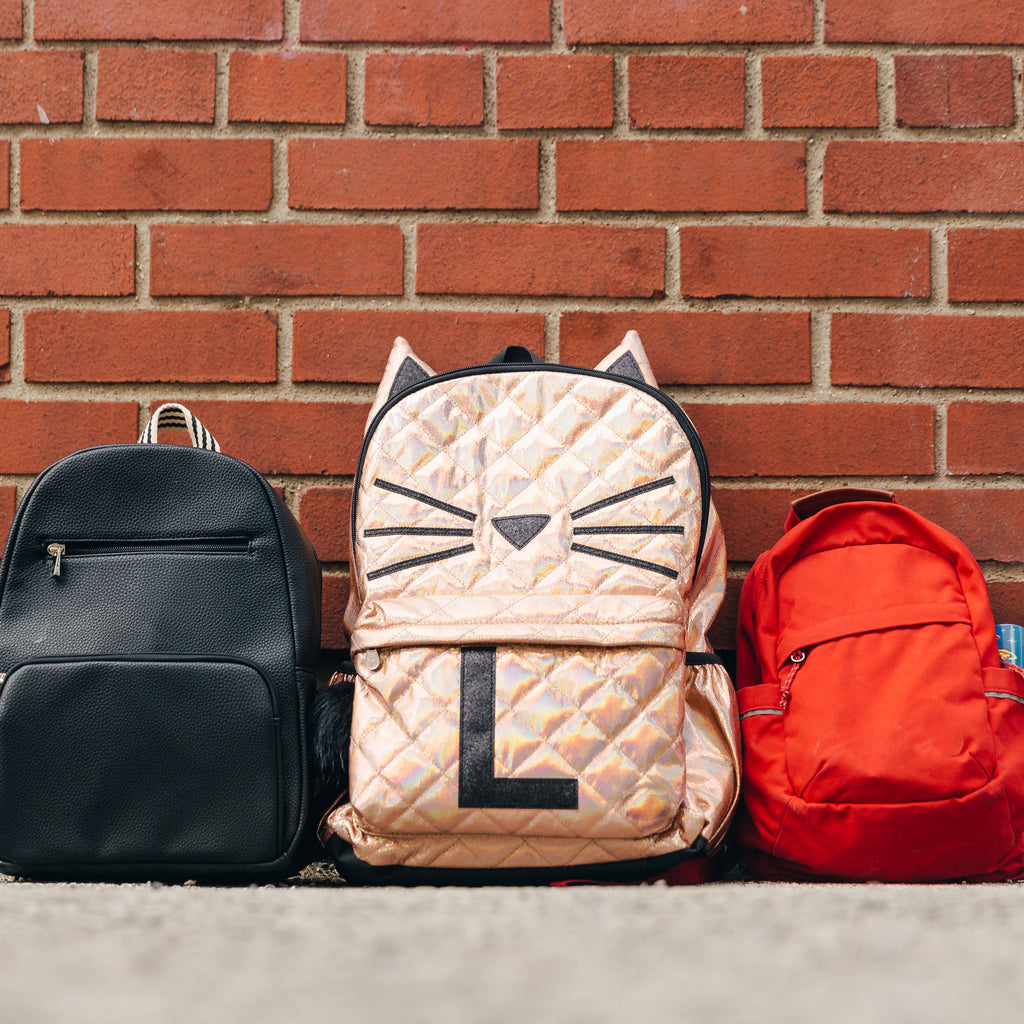
They are good when the load is genuinely mini. A small bag can fit a short torso and reduce overpacking, but fashion mini backpacks may use narrow straps and tiny openings. Preschool-specific construction is more important than the word mini.
Check whether the bag holds spare clothes without compression and whether the child can operate the zippers. For character minis and raised animal designs, inspect ears, tails and appliqués for snagging.
Can a Backpack Be Too Big for a Child?
Yes. An oversized bag can hang below the waist, shift side to side and invite adults to pack more than the child needs. Long straps may not tighten enough, and the child may lean forward to counterbalance the load.
Do not buy a large elementary bag simply to make it last for years. Reusing the smaller pack for day trips after it is outgrown can still provide value.
Browse lightweight preschool backpacks
Water Bottles, Lunch and Spare Clothes
A full bottle is often the densest preschool item. Test the exterior pocket while the child bends and walks. If the bottle falls out, use an internal upright position only when it is reliably leakproof and separated from papers.
Put spare clothes in a reusable pouch and label it inside. Keep food in an appropriate lunch container and remove it daily. If both consume the entire main compartment, confirm whether the program expects the child to carry them or whether a separate adult tote is better.
Are Preschool Backpacks Waterproof?
Not universally. Water-resistant fabric may shed light rain, but seams and zippers can admit water. Protect communication papers and spare clothes inside pouches when wet weather is expected. Never assume a marketplace use of waterproof describes the complete construction.
How Do You Clean a Preschool Backpack?
Follow the exact care label. Empty every pocket, shake out crumbs and begin with gentle spot cleaning. Printed polyester may allow mild soap and cool water, while plush, glitter, embroidery and structured padding may require more caution.
Avoid bleach and heat unless explicitly permitted. Air dry fully with pockets open. Weekly emptying prevents old food and damp clothes from remaining hidden.
Safety and Independence Check
Keep a child’s full name and contact information inside rather than prominently outside. Inspect long cords, detachable charms and small decorative parts. Remove the backpack before playground climbing, biking or entering water.
Practice the daily routine: put on both straps, clip and release the sternum strap, open lunch, find spare clothing and return items to assigned pockets. Independence depends on repetition more than elaborate organization.
Compare child-friendly backpack features
Daycare, Pre-K and Kindergarten Packing Lists
Daycare
Spare clothing, wipes or diapers as directed, a sealed snack and a comfort item. Adults retain medication and paperwork.
Pre-K
Program folder, lunch, bottle, clothing layer and simple supplies. Confirm nap-item transport separately.
Kindergarten
Full-size folder, lunch, bottle, early reader and weather layer. Add technology only when required and protected.
Use our Kids Backpack cornerstone for general fit, and the Skip Hop Kids Backpack guide for little-kid model differences.
Buying Checklist
- Current program supply list
- Child torso and bag back-panel measurements
- Required folder fits through opening
- Low empty weight
- Two adjustable straps and optional sternum strap
- Zippers the child can use
- Secure bottle storage
- Interior identification label
- Realistic cleaning instructions
- Loaded walk test before removing tags
Common Under-Five Backpack Mistakes
Buying for Future Growth
An oversized bag may seem economical, but it can hang below the waist and invite adults to add unnecessary items. Choose for the current torso and reuse the smaller pack for travel or activities after the child moves to a larger school model.
Choosing Capacity Before Opening Shape
A rounded animal or toddler backpack can publish a reasonable liter figure while failing to accept the program’s folder. The usable zipper path and flat interior wall matter more than theoretical box volume.
Letting Decorations Replace Visibility
Bright artwork helps identification but is not the same as reflective material. If the child walks near traffic in low light, add suitable reflective details and adult supervision. Never rely on color alone for safety.
Putting Every Family Item in the Child’s Bag
Nap bedding, diapers, multiple clothing sets and shared supplies can exceed a small child’s comfortable load. Separate adult-carried bulk from the child’s personal daily essentials.
How to Test Zippers and Buckles With a Preschooler
Place the bag on a low table and ask the child to open every closure without coaching. Large zipper pulls should move around corners without requiring a hard tug. A sternum buckle should click securely but release with the child’s normal hand strength when independence is expected.
Repeat the test while the backpack is lightly packed because pressure can change zipper behavior. Avoid long cords that can wrap around fingers or equipment. Mark the comfortable shoulder-strap position if adjustments tend to slip.
Preschool Backpack Labels and Privacy
Use the interior label for the child’s name and an adult contact method. A large full name on the exterior can reveal information unnecessarily. Initials, a small symbol or a distinctive color can help a child recognize the bag at a cubby.
Ask the program how bags are stored and identified. Some teachers prefer a visible first name for classroom management; families can choose a flap-covered tag or removable card that balances recognition and privacy.
When to Replace a Little Kids Backpack
Replace or repair it when strap anchors separate, zippers expose sharp edges, bottle-pocket elastic fails or the back panel becomes too short. Growth can make an intact bag unsuitable. Recheck fit after a growth spurt and whenever the supply list changes.
Cosmetic stains do not necessarily end the bag’s usefulness, but mold, persistent odor or structural damage requires attention. Do not give a damaged bag to a younger sibling without a full safety inspection.
Frequently Asked Questions
What size backpack is best for a 4-year-old?
Many fall around 5–12L, but torso fit and the required folder, lunch and clothing decide. Measure rather than relying on age.
Do preschoolers really need a backpack?
Many programs require one for personal essentials and organization. It should remain small and light.
What is the difference between a preschool and kindergarten backpack?
Kindergarten bags more often need a standard folder and fuller school load; preschool packs are typically shorter and simpler.
How do I know if a backpack fits my child?
It should sit close, remain near the waist and stay stable with the real load without causing leaning or rubbing.
Can a backpack be too big?
Yes. Excess length and capacity can destabilize a small child and encourage overpacking.
Should a preschool backpack fit a folder?
Yes when the program requires one. Measure the exact folder and zipper opening before buying.
Popular Preschool Backpack Size Systems
Compare the Mackenzie Mini and Small with the STATE Kane Kids Mini. Their labels sound similar, but their height, capacity and folder fit differ—exactly why measuring matters.
Final Verdict
The best backpack for a child under five is the smallest comfortable model that carries the program’s actual essentials. Start with torso and folder measurements, keep the empty weight low and choose simple closures the child can manage.
Sample Block Quote
Praesent vestibulum congue tellus at fringilla. Curabitur vitae semper sem, eu convallis est. Cras felis nunc commodo loremous convallis vitae interdum non nisl. Maecenas ac est sit amet augue pharetra convallis nec danos.
Sample Paragraph Text
Praesent vestibulum congue tellus at fringilla. Curabitur vitae semper sem, eu convallis est. Cras felis nunc commodo eu convallis vitae interdum non nisl. Maecenas ac est sit amet augue pharetra convallis nec danos dui.
Cras suscipit quam et turpis eleifend vitae malesuada magna congue. Damus id ullamcorper neque. Sed vitae mi a mi pretium aliquet ac sed elitos. Pellentesque nulla eros accumsan quis justo at tincidunt lobortis denimes loremous. Suspendisse vestibulum lectus in lectus volutpat, ut dapibus purus pulvinar. Vestibulum sit amet auctor ipsum.
Praesent vestibulum congue tellus at fringilla. Curabitur vitae semper sem, eu convallis est. Cras felis nunc commodo eu convallis vitae interdum non nisl. Maecenas ac est sit amet augue pharetra convallis nec danos dui.
Cras suscipit quam et turpis eleifend vitae malesuada magna congue. Damus id ullamcorper neque. Sed vitae mi a mi pretium aliquet ac sed elitos. Pellentesque nulla eros accumsan quis justo at tincidunt lobortis denimes loremous. Suspendisse vestibulum lectus in lectus volutpat, ut dapibus purus pulvinar. Vestibulum sit amet auctor ipsum.
