


Best Travel Backpacks for Cruises
A cruise backpack serves two different jobs: it can carry travel essentials during embarkation and then become the day bag for ports, excursions and time around the ship. The best option is usually smaller than the main luggage and organized around documents, water, sun protection, electronics and one clothing layer.
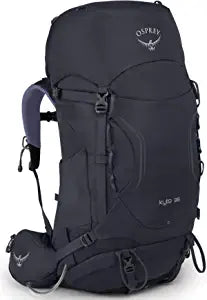
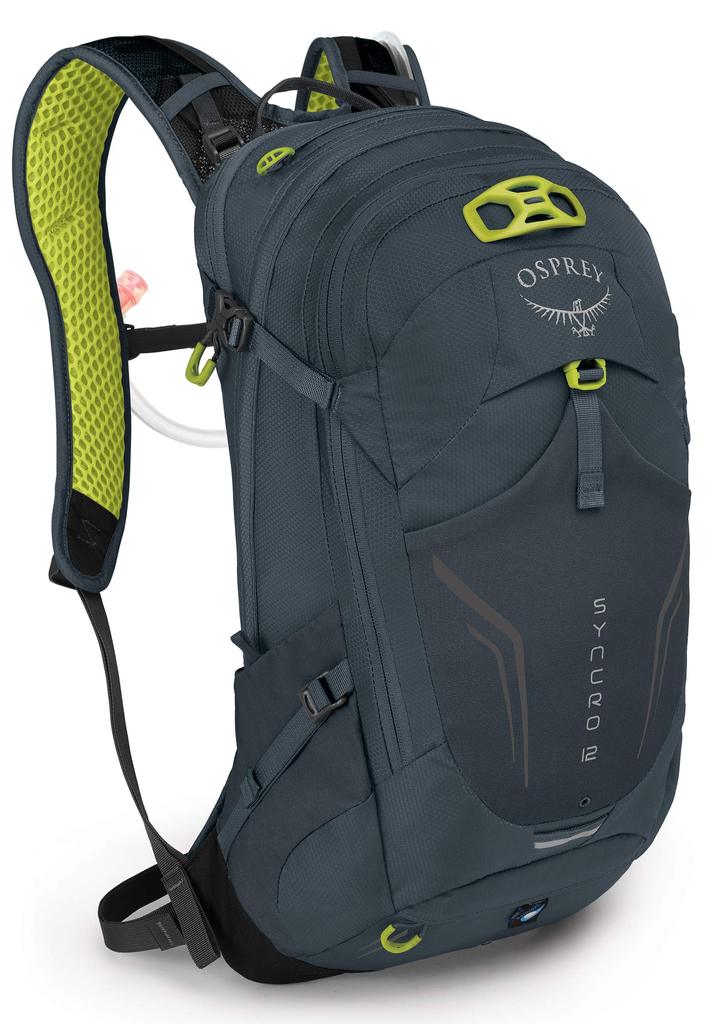
Quick Answer: Choose a cruise travel backpack that is comfortable enough for port days, has secure pockets for travel documents, a protected electronics section, a good bottle pocket and enough capacity for embarkation-day essentials. A 20–30 liter backpack works for many travelers, while larger bags make sense if the backpack also handles flights or pre-cruise travel.
Browse Travel Backpacks, compare Beach Vacation Backpacks, or continue through the Backpacks Hub.
As an Amazon Associate, we may earn from qualifying purchases.
Compare current travel backpacks on Amazon.
Embarkation-Day Role
Checked or delivered luggage may not be immediately available after boarding. Keep medications, travel documents, valuables, electronics and one essential change or swim item in the backpack. The bag should be organized enough that you can reach these items without opening the entire main compartment in a crowded terminal.
Port-Day Role
Once the cruise is underway, the backpack becomes a day bag for excursions, water, sunscreen, camera and a light layer. This is why a huge 40-liter travel pack is often the wrong cruise day bag even if it worked well for the flight.
20L for Simple Cruise Day Use
Twenty liters can be enough for documents, bottle, sunscreen, camera and a few personal items. It also stays easier to carry on walking tours, buses and tender boats.
25–30L for More Flexible Use
Travelers carrying a laptop, extra clothing or family items may benefit from a larger daypack that still remains easy to carry ashore. Parents and photographers often find this range more realistic than a tiny day bag.
Passport and Document Storage
Use a secure pocket for passport and cruise documents, following the cruise line’s current guidance about what should be carried ashore. A hidden rear pocket can be convenient, but it should remain easy for you to access during embarkation, immigration or port checks.
Boarding Passes, Cabin Cards and Small Documents
Give all travel documents one predictable pocket. Cruise travel can involve tickets, identification, cabin cards and excursion confirmations, so loose paper scattered through several pockets creates unnecessary stress.
Water Bottle Pocket
A secure exterior pocket is useful for excursions and warm ports. Test the actual bottle after the backpack is fully packed because side-pocket room can shrink as the main compartment expands.
Sunscreen and Toiletries
Keep liquids sealed in a pouch away from electronics and documents. Sunscreen is one of the most common cruise-day items, but a leaking bottle can damage phones, camera gear and paperwork.
Swim Gear
A wet swimsuit should go into a waterproof or washable pouch before returning to the backpack. A separate wet bag keeps moisture away from clean clothing and electronics.
Beach Towels
Many cruise lines provide towels for pool or shore use, so check current policies before dedicating backpack space to a large towel. A full-size towel can consume most of a 20-liter daypack by itself.
Camera and Phone Protection
Use padded or secure storage for electronics during excursions, especially around water. A compact camera insert can work well for travelers who want better lens protection without carrying a dedicated camera backpack.
Rain Protection
Tropical ports can bring sudden rain. Water-resistant backpack construction and a small rain cover can help. Important electronics deserve independent protection inside the bag during sustained weather.
Excursion Comfort
Wide straps and low empty weight matter on walking tours and hot-weather port days. A bag that feels fine for ten minutes in a terminal can become irritating after several hours ashore.
Security in Crowded Ports
Secure zippers and hidden pockets can add convenience, but deliberate handling remains important. Keep valuables in one controlled location and avoid leaving the backpack unattended in cafes, buses or public areas.
Shipboard Carry
A giant backpack is unnecessary on the ship. Choose a bag that stores easily in the cabin and does not become cumbersome in dining or entertainment areas. A compact daypack is easier to tuck under a chair or carry through narrow corridors.
Family Cruise Use
Parents may carry snacks, sunscreen and small children’s items. Modular pouches keep the bag from becoming a mixed pile. One pouch for snacks, one for clothing and one for wipes or personal items makes repeated access faster.
Medication and Essential Items
Keep necessary medication and critical documents with you according to travel guidance rather than placing them in checked luggage. These items deserve a secure, accessible pocket rather than being buried under beach gear.
Flight-to-Cruise Combination
If the same backpack is a flight personal item, check airline rules separately from cruise needs. The right cruise daypack can also serve as an underseat flight bag when dimensions and packing remain controlled.
Pre-Cruise Hotel Nights
Many travelers arrive a day early before boarding. A 25–30 liter backpack can hold laptop, sleepwear, toiletries and one change of clothes so the main suitcase does not need to be unpacked for a single night.
Excursion Types Change the Backpack
A beach excursion, city tour, snorkeling trip and hiking excursion all create different needs. The bag should be flexible enough for the most common activities in your itinerary rather than optimized for one rare event.
Beach Excursions
Bring wet/dry separation, sunscreen, water and minimal electronics. A foldable tote can help keep sand away from the main backpack when you reach the beach.
City Excursions
Secure zippers, compact depth and a quick-access travel pocket matter more than wet storage. A large backpack can feel cumbersome in crowded markets or museums.
Adventure Excursions
Hiking or active tours may require more water, a better sternum strap or trail-oriented support. Do not assume every cruise daypack is suitable for technical outdoor activity.
Tender Ports
Some ports require smaller boats between the ship and shore. A compact backpack is easier to manage while boarding and stepping through confined spaces than a large travel pack.
Cabin Organization
Use the backpack as a consistent home for travel documents and day-trip gear inside the cabin. This reduces the chance of leaving passport, camera or sunscreen in different places each day.
How to Pack
Documents and valuables secure, electronics padded, sunscreen sealed, bottle outside, swim or rain gear in a flexible pouch and day-use items easy to reach.
Daily Reset
At the end of each port day, remove wet items, trash and food. Refill the bottle, return documents to their pocket and repack the day bag for the next morning.
Home Test
Pack the exact embarkation-day load and walk for fifteen minutes. Then remove the travel-only items and repack it as a port-day bag. A strong cruise backpack should work in both modes without feeling oversized in the second.
Common Mistakes
Avoid using an oversized travel backpack for every port day, leaving wet items loose inside and burying documents under clothing. Another common mistake is bringing too much beach gear when the cruise line or excursion already provides part of it.
Frequently Asked Questions
What size backpack is best for a cruise?
Twenty to thirty liters works well for many travelers, depending on embarkation and excursion needs.
Should I carry a laptop?
Only if you need it; otherwise, leaving expensive technology at home can simplify the trip.
Do I need a waterproof backpack?
Not always, but water-resistant construction and wet-item separation are useful.
Can the backpack be a flight personal item too?
Yes when the packed dimensions meet the airline’s current rules.
Should I pack a beach towel?
Check the cruise line’s current towel policy before using backpack space for one.
Are hidden passport pockets useful?
They can be, provided the pocket remains accessible and secure.
Final Verdict
The best cruise backpack is a flexible day bag that handles embarkation essentials and shore excursions without becoming oversized. Prioritize secure documents, water, wet/dry separation and walking comfort over maximum capacity. The ideal bag works on boarding day, port day and the flight without requiring three different backpacks.
Browse Travel Backpacks, read Beach Vacation Backpack Guide, or continue through the Backpacks Hub.
Sample Block Quote
Praesent vestibulum congue tellus at fringilla. Curabitur vitae semper sem, eu convallis est. Cras felis nunc commodo loremous convallis vitae interdum non nisl. Maecenas ac est sit amet augue pharetra convallis nec danos.
Sample Paragraph Text
Praesent vestibulum congue tellus at fringilla. Curabitur vitae semper sem, eu convallis est. Cras felis nunc commodo eu convallis vitae interdum non nisl. Maecenas ac est sit amet augue pharetra convallis nec danos dui.
Cras suscipit quam et turpis eleifend vitae malesuada magna congue. Damus id ullamcorper neque. Sed vitae mi a mi pretium aliquet ac sed elitos. Pellentesque nulla eros accumsan quis justo at tincidunt lobortis denimes loremous. Suspendisse vestibulum lectus in lectus volutpat, ut dapibus purus pulvinar. Vestibulum sit amet auctor ipsum.
Praesent vestibulum congue tellus at fringilla. Curabitur vitae semper sem, eu convallis est. Cras felis nunc commodo eu convallis vitae interdum non nisl. Maecenas ac est sit amet augue pharetra convallis nec danos dui.
Cras suscipit quam et turpis eleifend vitae malesuada magna congue. Damus id ullamcorper neque. Sed vitae mi a mi pretium aliquet ac sed elitos. Pellentesque nulla eros accumsan quis justo at tincidunt lobortis denimes loremous. Suspendisse vestibulum lectus in lectus volutpat, ut dapibus purus pulvinar. Vestibulum sit amet auctor ipsum.
