



Commuter Backpacks vs Messenger Bags: Which Is Best for Work?
Commuter Backpacks vs. Messenger Bags: Which Is Right for Your Daily Journey?
In today's fast-paced world, getting from point A to B—whether that's the daily commute to work, cycling to class, or navigating a bustling city—demands functional, comfortable, and stylish ways to carry your essentials. Two popular options dominate this scene: Commuter Backpacks and messenger bags. Each brings its unique strengths and tailored features, but the debate about which one is best suited for commuters and urban adventurers continues to stir. In this in-depth, professional comparison, we'll explore these two bag types from every angle, helping you make an informed decision for your own lifestyle and carrying needs.
The Importance of Choosing the Right Bag for Commuting
Picking the right bag isn’t just about style (though that certainly plays a role); it’s about comfort, practicality, organization, and supporting your daily routine. A thoughtfully chosen bag can alleviate strain, streamline access to your necessities, and even enhance your professional presence. Let’s explore the defining attributes of Commuter Backpacks and messenger bags before delving into a detailed comparison.
Defining Commuter Backpacks
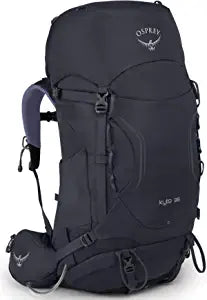
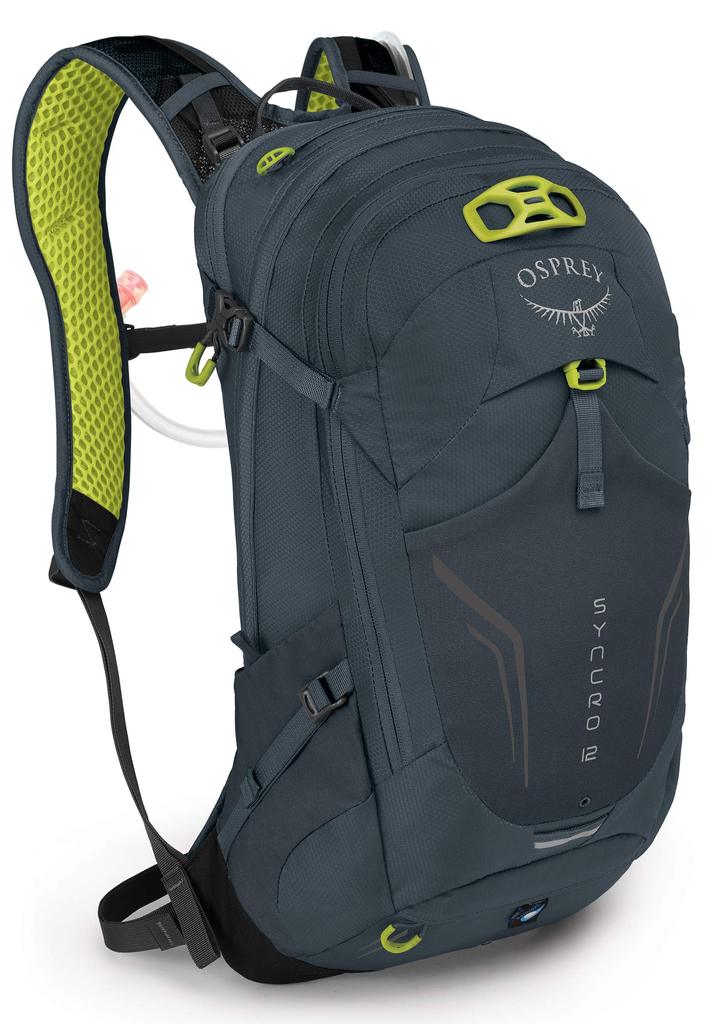
Commuter Backpacks have evolved drastically from the traditional school backpack. Today's commuter models are meticulously engineered for daily use, often including laptop sleeves, weather-resistant materials, reflective details for nighttime safety, and multiple compartments for structured organization. Offered in a range of sizes and aesthetics, commuter backpacks seamlessly blend ergonomic comfort with modern style.
Defining Messenger Bags
Messenger bags, originally popularized by bicycle couriers, are shoulder-carried satchels featuring a single crossbody strap and a large main compartment, usually secured by a flap. Their design allows for easy access on-the-go, whether you’re walking or cycling. Over time, messenger bags have diversified in size, material, and features—appealing to everyone from creative professionals to urban commuters.
Head-to-Head: Key Comparison Points
Let’s analyze Commuter Backpacks and messenger bags across the factors that matter most.
1. Ergonomics and Comfort
- Commuter Backpacks: By distributing weight evenly across both shoulders, commuter backpacks offer superior ergonomic support for heavy or long carries. Padded straps, ventilated back panels, and chest or waist straps contribute to comfort, especially when navigating public transit or city streets.
- Messenger Bags: These bags provide quick, one-handed access but typically rest on one shoulder. For shorter commutes or lighter loads, they’re effective and convenient. However, over time and distance, weight on a single strap may lead to discomfort or muscle imbalance, especially if a heavy laptop or gear is involved.
Verdict: For those carrying substantial weight or facing longer commutes, commuter backpacks are typically more comfortable and supportive.
2. Accessibility and Ease of Use
- Commuter Backpacks: Backpacks shine for organization but require removal from your back to access the main compartment. Some commuter models feature top-loading or side-access zippers for quicker entry, but on-the-go retrieval is usually slower compared to messenger styles.
- Messenger Bags: The hallmark of messenger bags is their fast, easy access. Slide the bag to your front or side, lift the flap, and grab what you need without breaking stride. This makes them particularly popular among bike commuters or professionals who need to frequently access laptops and documents.
Verdict: If quick, one-handed access is your top priority, messenger bags have the clear advantage.
3. Organization and Storage
- Commuter Backpacks: Typically designed with multiple compartments: padded laptop sleeves, water bottle holders, zippered pockets for electronics, and space for gym clothes or a lunch box. The structured layout enables tidy, efficient storage and minimizes clutter.
- Messenger Bags: Most messenger bags have a large central compartment and a few accessory pockets. Organization may be simplified compared to backpacks, but many modern versions now feature padded laptop sleeves and dedicated sections for pens, chargers, and small items.
Verdict: Backpacks generally offer more comprehensive organization. However, premium messenger bags increasingly include detailed storage solutions.
4. Style and Professional Appearance
- Commuter Backpacks: Available in everything from sporty to sleek, minimalist designs, commuter backpacks have become a staple of professional and student attire alike. Leather and technical fabric variants bridge the gap between utility and sophistication.
- Messenger Bags: Messenger bags are often seen as stylish, creative, and professional—especially in leather or waxed canvas finishes. They pair easily with both casual and formal wear, making them popular in urban offices and creative industries.
Verdict: While backpacks are more accepted in business environments than ever, messenger bags often offer a touch more polish and versatility for meetings or client-facing roles.
5. Durability and Weather Protection
- Commuter Backpacks: With robust zippers, reinforced bottoms, and technical fabrics, commuter backpacks are engineered for daily abuse. Many provide waterproof or water-resistant coatings and rain covers for adverse weather.
- Messenger Bags: Messenger bags are traditionally crafted from durable, water-resistant materials such as ballistic nylon or waxed canvas. Tightly secured flaps help shield contents, though zipper or Velcro closures may vary in weatherproofing effectiveness.
Verdict: Both bag types can be highly durable—selection here depends on brand, build quality, and the specific product line. For reliable water resistance, look for sealed seams and coated fabrics in either style.
6. Commuting Style: Walking, Biking, Public Transit
- Commuter Backpacks: Excellent for walking and transit users, backpacks remain secure while moving. For cyclists, they stay stable on your back but may get hot on long rides or block ventilation.
- Messenger Bags: Traditonally, messenger bags were designed for bicycle couriers. They're effortless to swing around for access at stoplights, though a loaded bag can shift position during energetic motion unless secured with a stability strap.
Verdict: Backpacks generally excel for walking and transit, while messenger bags can offer unique utility for urban cyclists open to lighter loads.
7. Health, Wellness, and Posture
When considering daily use, bag choice can contribute to overall wellness and maintain balance in your daily routine:
- Commuter Backpacks: Encourage even weight distribution, supporting ergonomic posture and minimizing risk of back or shoulder discomfort. They can help maintain comfort during extended commutes and long-distance walking.
- Messenger Bags: Convenient for quick trips, but persistent use with significant weight may contribute to strain on one side of the upper body. Modern messenger designs with wider or padded straps help mitigate discomfort for moderate use.
Tip: Whatever bag you choose, adjust straps properly and switch carrying sides when possible to promote wellness and encourage healthy habits throughout your busy week.
8. Versatility and Lifestyle Applications
- Commuter Backpacks: Their structured, roomy design adapts to a wide range of uses, from the gym to hiking, travel, and beyond. Backpacks with suitcase-style openings even double as overnight bags.
- Messenger Bags: Messenger bags excel in urban environments, particularly where speed and style are priorities. They’re ideal for carrying documents, tablets, and light tech—less so for gym shoes or bulky items.
Verdict: If you need a bag for diverse occasions, backpacks tend to offer greater versatility. If your routine centers around streamlined daily commutes with tech and documents, a messenger bag fits the bill.
Comparison Table: Commuter Backpacks vs. Messenger Bags
| Feature | Commuter Backpacks | Messenger Bags |
|---|---|---|
| Ergonomics | Even weight distribution; two-strap support | Single strap; better for light loads |
| Access | Remove to access compartments | Quick, one-handed access on-the-go |
| Organization | Multi-compartment, diverse layouts | Large main area, limited pockets |
| Weather Resistance | Waterproof coatings, rain covers available | Water-resistant fabrics, flap closures |
| Style | Sporty to professional, casual to business | Urban-chic, creative, formal |
| Commuting Modes | Walking, transit, biking | Biking, walking, short trips |
| Health Considerations | Supports posture, balanced carry | Best for light loads or short durations |
| Versatility | Daily, travel, gym, outdoors | Urban, office, tech, light errands |
Ideal User Profiles: Who Should Choose Which?
Commuter Backpacks: The Go-To for Maximum Comfort and Versatility
Commuter Backpacks are the premium choice for:
- Long or crowded commutes: Those facing packed trains, buses, or long walks will benefit from balanced weight and hands-free movement.
- Tech-heavy users: If you regularly carry a laptop, tablet, chargers, and other gear, a commuter backpack’s structure excels.
- Active commuters: Cyclists or those who use multiple transit modes will appreciate the backpack’s security and stability.
- Diverse schedules: If your bag doubles for post-work gym sessions, travel, or day hikes, the expansive space and versatility are unmatched.
Messenger Bags: For Urban Professionals and Light Travelers
Messenger bags are best suited for:
- Creative professionals, students, and urban commuters who prioritize style and swift access to their devices and documents.
- Cyclists on short to medium commutes: Messenger bags’ legacy design is still beloved among bike messengers and city riders.
- Minimalist packers: If your daily essentials fit comfortably in a streamlined format, messenger bags offer lightweight and fuss-free convenience.
Specialized Features to Consider
For Commuter Backpacks:
- Padded, ventilated straps and back panels
- Dedicated and padded laptop sleeves with fleece lining
- Luggage pass-through straps for travel
- Hidden security pockets for valuables
- Modular organization (removable pouches or dividers)
- Weatherproof zippers and rain covers
- Reflective detailing for nighttime safety
For Messenger Bags:
- Stabilization strap for secure riding or walking
- Quick-release buckles for fast access
- Padded and adjustable shoulder strap
- Dedicated laptop sleeve or tablet compartment
- Padded base for protecting electronics
- Expandable gussets for variable loads
- Water-resistant lining or treated exterior
How to Make Your Final Decision
When weighing your options, ask yourself:
- How heavy is my daily load? (Heavier = backpack; lighter = messenger)
- How important is fast, one-handed access for me?
- What’s my primary commute method?
- Do I need advanced organization or just a core compartment?
- How far will I be carrying my bag each day?
- What style aligns with my work and personal life?
Try both bag types, if possible, with your typical gear to identify which suits your comfort and workflow. Pay attention to fit and adjustability as well as storage features.
Brand and Material Considerations
Durability and aesthetics greatly depend on the brand and build quality. High-quality Commuter Backpacks often use ballistic nylon, eco-friendly recycled materials, or waterproof synthetic layers, while premium messenger bags may incorporate full-grain leather, waxed canvas, or sealed synthetics. Always examine stitching, zippers, and liner quality to ensure your investment endures the rigors of everyday commuting.
Maintenance Tips for Longevity
- Clean bags regularly according to manufacturer instructions—spot clean or gentle hand wash as needed.
- Air out bags after exposure to rain or sweat to prevent odor and mildew.
- For leather messenger bags, use appropriate conditioner to maintain suppleness and weather resistance.
- Avoid overpacking: exceeding recommended weight can strain straps and seams, reducing lifespan.
- Store bags in a cool, dry place away from direct sunlight to preserve material color and strength.
Conclusion: Investing in Your Commute
The right choice between Commuter Backpacks and messenger bags comes down to your lifestyle, aesthetic preferences, and commuting demands. While Commuter Backpacks excel in ergonomic support, organization, and versatility, messenger bags shine in fast access, style points, and minimalist appeal. Investing in a high-quality bag supports your overall wellbeing and promotes a balanced, stress-free commute—whether you’re traversing city streets or suburban train platforms.
Are you ready to upgrade your daily journey? Explore our collection of professional-grade commuter backpacks and messenger bags today, and discover the perfect companion for your commute. Remember: your bag isn’t just an accessory—it’s an everyday investment in your comfort, productivity, and confidence.
Find your next commuter essential in our online store and experience the difference a truly well-matched bag can make!
Sample Block Quote
Praesent vestibulum congue tellus at fringilla. Curabitur vitae semper sem, eu convallis est. Cras felis nunc commodo loremous convallis vitae interdum non nisl. Maecenas ac est sit amet augue pharetra convallis nec danos.
Sample Paragraph Text
Praesent vestibulum congue tellus at fringilla. Curabitur vitae semper sem, eu convallis est. Cras felis nunc commodo eu convallis vitae interdum non nisl. Maecenas ac est sit amet augue pharetra convallis nec danos dui.
Cras suscipit quam et turpis eleifend vitae malesuada magna congue. Damus id ullamcorper neque. Sed vitae mi a mi pretium aliquet ac sed elitos. Pellentesque nulla eros accumsan quis justo at tincidunt lobortis denimes loremous. Suspendisse vestibulum lectus in lectus volutpat, ut dapibus purus pulvinar. Vestibulum sit amet auctor ipsum.
Praesent vestibulum congue tellus at fringilla. Curabitur vitae semper sem, eu convallis est. Cras felis nunc commodo eu convallis vitae interdum non nisl. Maecenas ac est sit amet augue pharetra convallis nec danos dui.
Cras suscipit quam et turpis eleifend vitae malesuada magna congue. Damus id ullamcorper neque. Sed vitae mi a mi pretium aliquet ac sed elitos. Pellentesque nulla eros accumsan quis justo at tincidunt lobortis denimes loremous. Suspendisse vestibulum lectus in lectus volutpat, ut dapibus purus pulvinar. Vestibulum sit amet auctor ipsum.
