


Expert Guide: How to Choose the Perfect North Face Backpack for Your Next Adventure
Quick Answer
To choose a North Face backpack, match the model to the activity, measure your laptop or largest rigid item, test comfort with realistic weight, and verify the exact current features. Model reputation is useful, but fit and organization determine whether the backpack works for you. Compare the current selection.
The Ultimate Guide to Choosing the Perfect North Face Backpack
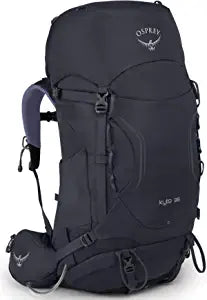
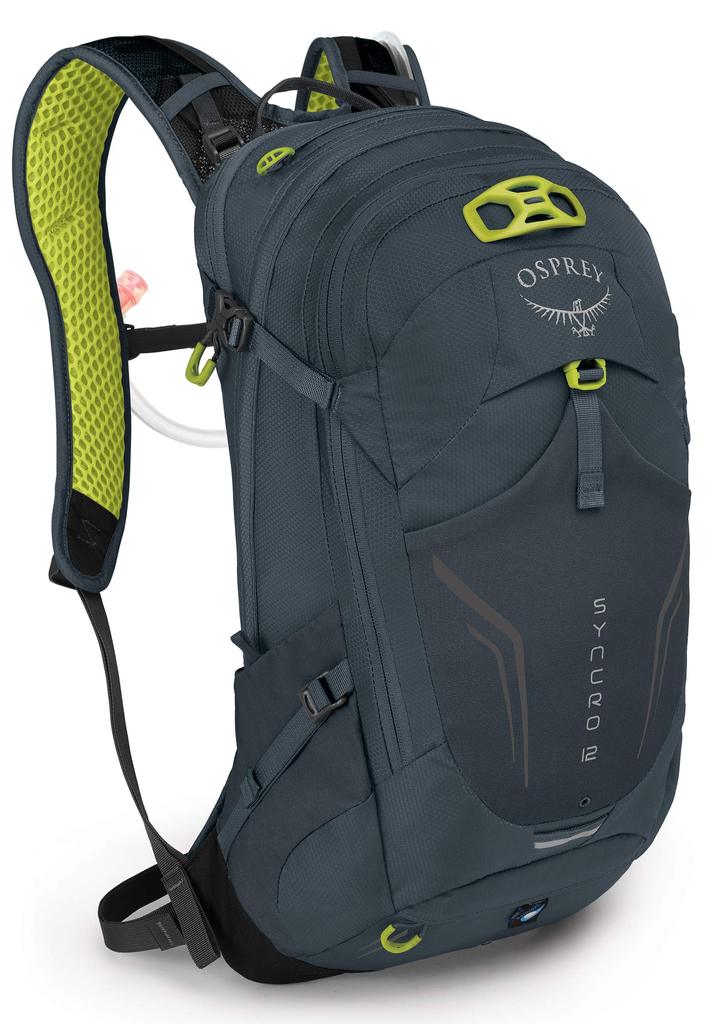
When shopping outdoor gear, few brands are as trusted and respected as The North Face. Known for their high-quality, durable products, The North Face has been outfitting outdoor enthusiasts for over 50 years. One of their most popular product lines is their selection of backpacks, which are perfect for everything from a day hike to a multi-day trek. In this guide, we'll take a closer look at the different types of North Face backpacks available, and help you choose the perfect one for your needs.
Types of North Face Backpacks
The North Face offers a wide variety of backpacks to suit different needs and activities. Here are some of the most popular types:
Daypacks
Daypacks are designed for shorter excursions, typically lasting less than a full day. They are smaller in size and typically have a capacity of 20-35 liters. North Face daypacks are perfect for day hikes, short backpacking trips, or as a carry-on bag for travel. Some popular daypacks from North Face include the Terra 55 and the Router Transit.
Weekend Packs
Weekend packs are slightly larger than daypacks, with a capacity of 40-55 liters. They are designed for overnight or weekend trips and have more space for gear and supplies. Some popular weekend packs from North Face include the Terra 65 and the Base Camp Duffel.
Multi-Day Packs
Multi-day packs are the largest type of North Face backpack, with a capacity of 60 liters or more. They are designed for multi-day backpacking trips and have ample space for gear, clothing, and food. Some popular multi-day packs from North Face include the Base Camp Duffel and the Terra 65.
How to Choose the Perfect North Face Backpack
When choosing a North Face backpack, there are a few key factors to consider:
Capacity
The first thing to consider is the capacity of the backpack. As mentioned above, daypacks typically have a capacity of 20-35 liters, weekend packs have a capacity of 40-55 liters, and multi-day packs have a capacity of 60 liters or more. Consider how much gear and supplies you'll need to carry and choose a backpack with a capacity that will meet your needs.
Fit
Another important factor to consider is the fit of the backpack. North Face backpacks are designed to fit a variety of body types, but it's still important to try on a few different models to find the perfect fit. Make sure the backpack is comfortable when you're wearing it and that the straps and hip belt fit snugly.
Features
North Face backpacks come with a variety of features, such as hydration systems, rain covers, and external pockets. Consider which features are important to you and choose a backpack that has the features you need.
Durability
North Face backpacks are known for their durability, but it's still important to consider the materials used in the construction of the backpack. Look for backpacks made with high-quality, durable materials such as ripstop nylon or polyester.
Conclusion
When it comes to choosing the perfect North Face backpack, there are a few key factors to consider. Think about the capacity, fit, features, and durability of the backpack, and choose one that meets your needs. With a wide variety of backpacks to choose from, you're sure to find the perfect one for your next outdoor adventure.

Step 1: Choose the Correct Backpack Family
Begin by separating everyday laptop backpacks from technical hiking packs. Everyday models usually prioritize device sleeves, front organization, bottle pockets, and a shape that works in classrooms, offices, or airports. Hiking packs prioritize load stability, body fit, ventilation, compression, and access to outdoor essentials. Travel packs may emphasize openings and carry compatibility. Mixing these categories produces poor comparisons.
Next identify the exact model family. Jester, Router, Borealis, Recon, Vault, Surge, Terra, and other lines can serve different users, and model details may change. Verify the current listing rather than borrowing measurements or features from an older version or a different gender-specific design.
Step 2: Measure What Must Fit
For a laptop, measure the complete device width, height, and thickness. Screen diagonal alone is insufficient because bezel and chassis dimensions differ. Compare those measurements with the current sleeve dimensions when provided. Allow room for safe insertion without forcing the zipper or bending the sleeve.
For daily carry, lay out books, charger, headphones, bottle, lunch, and any gym or travel layer. For hiking, add water, food, insulation, rain protection, first-aid items, navigation, and activity-specific gear. Capacity in liters helps compare overall volume, but shape and pocket layout determine whether a particular object fits.
Step 3: Evaluate Fit with Weight Inside
An empty backpack can feel comfortable and still fail under a real load. Adjust the shoulder straps so the bag sits close without restricting movement. Check whether the straps touch the neck, whether the base hangs too low, and whether the back panel feels stable. If the model has a sternum strap or hip belt, use it according to the maker’s guidance.
For technical packs, confirm torso sizing and hip-belt position. Body proportions vary, so gender labels and overall height are only starting points. A good fit keeps the load controlled while allowing normal breathing and movement.
Step 4: Check Access and Organization
Count useful zones, not total pockets. A student may want separate laptop and document areas. A commuter may need quick access to keys, identification, or earbuds. A hiker may prioritize accessible water, snacks, layers, and tools. Open every zipper path in the product images and consider whether the opening still works when the bag is full.
Water-bottle pockets should fit the bottle securely without sacrificing too much internal space. External cords or compression straps should support the normal load rather than becoming decorative clutter.
Step 5: Read Material Claims Precisely
Do not treat all North Face backpacks as identical. Check the exact fabric, finish, zipper design, and care instructions. Water-repellent treatment can help with brief exposure, but does not make every seam or opening waterproof. If electronics are important, use additional protection.
Inspect stitching at handles, straps, and the base. For a daily bag, frequent floor contact and overloaded laptop compartments may be the main wear sources. For hiking, abrasion, branch contact, rain, and sustained load create different stresses.
Current North Face Backpacks to Compare

As an Amazon Associate, we may earn from qualifying purchases.
Check current North Face Jester details on Amazon

As an Amazon Associate, we may earn from qualifying purchases.
Check current North Face Router details on Amazon

As an Amazon Associate, we may earn from qualifying purchases.
Check current North Face Terra 55 details on Amazon
North Face Model and Subcollection Paths
Shoppers comparing established lines can continue into North Face Jester Backpacks, North Face Borealis Backpacks, North Face Recon Backpacks, and North Face Vault Backpacks. These narrower hubs make model-level comparison easier.
How to Choose a North Face Backpack FAQ
Is Borealis or Jester better?
Neither is universally better. Compare the current versions by dimensions, organization, empty weight, laptop fit, and comfort for the intended load.
Should I size up for travel?
Only if the extra space supports a real packing list. A larger backpack can become less comfortable and may exceed airline limits when packed.
How do I clean a North Face backpack?
Follow the care label and current manufacturer instructions for the exact model. Avoid assuming machine washing is safe; spot cleaning and air drying may be more appropriate.
What is the best North Face backpack for college?
The best college model fits the actual laptop and books, remains comfortable at daily weight, and offers the access pattern the student uses. Verify current specifications rather than relying on a model name alone.
Final Verdict
Choose in this order: activity, load, measurements, fit, organization, material, then style. That process turns a popular brand into a genuinely suitable backpack. Browse the current North Face backpack selection and compare exact listings before purchasing.
Step 6: Compare Empty Weight and Carry Time
Empty weight matters because every ounce or gram is carried before the first item is packed. A structured laptop backpack or technical hiking pack may justify additional weight when the support system serves the load. Extra weight is less useful when it comes from features that do not match the activity.
Estimate how long the backpack stays on the body. A five-minute walk from a parking lot is different from an hour-long commute or a full day on trail. A heavier design may feel acceptable during a quick try-on but become tiring over time. Load testing is more informative than pressing the shoulder padding with a hand.
Step 7: Confirm Current Dimensions and Version
Do not copy dimensions from a review of a different year, size, or gender-specific version. Model families can evolve, and retailers may carry several variations at once. Use the current product page and listing, then compare the exterior dimensions with lockers, airline limits, or storage spaces relevant to you.
For air travel, measure the fully packed bag at its widest points. Airlines and fares establish their own personal-item and carry-on limits, which can change. A soft bag is not guaranteed to fit simply because it can compress when empty.
Step 8: Decide Which Features You Will Actually Use
A feature earns its place when it solves a recurring problem. A laptop sleeve matters for a commuter. Hydration routing matters for someone who uses a reservoir. A sternum strap may improve stability. A luggage pass-through can help a frequent flyer. Decorative cords, extra pockets, or attachment points add little if they remain unused.
Create an essentials list and an extras list. Eliminate any backpack that misses an essential before comparing colors or promotional language. This approach also prevents paying more for features that add bulk without value.
Step 9: Inspect the Return and Care Information
Online fit can be difficult to predict. Review current seller return conditions before ordering, retain packaging during an indoor fit test, and avoid removing tags until the decision is final. Warranty terms, when offered, vary and should be read rather than assumed from the brand name.
Care affects lifespan. Follow the exact label and manufacturer guidance. Harsh detergent, high heat, machine agitation, or prolonged soaking may damage coatings, foam, structure, or hardware. For routine dirt, the safest method may be gentle spot cleaning and air drying, but the current instructions control.
A Ten-Minute Home Fit Test
- Pack the normal load.
- Adjust straps from a neutral starting point.
- Walk, climb stairs, and sit down.
- Reach for the bottle and most-used pocket.
- Remove and replace the laptop.
- Check whether zippers strain or contents shift.
- Notice pressure at the neck, shoulders, lower back, or hips.
If a backpack needs constant readjustment during a short indoor test, it is unlikely to improve during a long day. Fit and access should feel predictable.
Common Buying Mistakes
- Choosing by model popularity without checking measurements.
- Using screen size as the only laptop measurement.
- Buying excess capacity “just in case.”
- Assuming every fabric is waterproof.
- Comparing different model versions as identical.
- Ignoring empty weight and carry duration.
- Letting color override an essential fit requirement.
A disciplined comparison does not remove personal preference. It makes sure style is chosen among bags that already satisfy the practical requirements.
Sample Block Quote
Praesent vestibulum congue tellus at fringilla. Curabitur vitae semper sem, eu convallis est. Cras felis nunc commodo loremous convallis vitae interdum non nisl. Maecenas ac est sit amet augue pharetra convallis nec danos.
Sample Paragraph Text
Praesent vestibulum congue tellus at fringilla. Curabitur vitae semper sem, eu convallis est. Cras felis nunc commodo eu convallis vitae interdum non nisl. Maecenas ac est sit amet augue pharetra convallis nec danos dui.
Cras suscipit quam et turpis eleifend vitae malesuada magna congue. Damus id ullamcorper neque. Sed vitae mi a mi pretium aliquet ac sed elitos. Pellentesque nulla eros accumsan quis justo at tincidunt lobortis denimes loremous. Suspendisse vestibulum lectus in lectus volutpat, ut dapibus purus pulvinar. Vestibulum sit amet auctor ipsum.
Praesent vestibulum congue tellus at fringilla. Curabitur vitae semper sem, eu convallis est. Cras felis nunc commodo eu convallis vitae interdum non nisl. Maecenas ac est sit amet augue pharetra convallis nec danos dui.
Cras suscipit quam et turpis eleifend vitae malesuada magna congue. Damus id ullamcorper neque. Sed vitae mi a mi pretium aliquet ac sed elitos. Pellentesque nulla eros accumsan quis justo at tincidunt lobortis denimes loremous. Suspendisse vestibulum lectus in lectus volutpat, ut dapibus purus pulvinar. Vestibulum sit amet auctor ipsum.
