



Hiking Backpacks vs Travel Backpacks: Which Is Best for You?
As an Amazon Associate, we may earn from qualifying purchases.
The Ultimate Comparison: Hiking Backpacks vs. Travel Backpacks – Which is Best for Your Next Adventure?
Choosing the right backpack can make or break your outdoor or travel experience. For adventurers, nature-lovers, and globetrotters, selecting between Hiking Backpacks and Travel Backpacks can be a complex decision, each offering distinct advantages and specialized features. In this comprehensive comparison, we’ll dive deep into every aspect of these backpack types, dissect their strengths, examine their ideal uses, and equip you with actionable insights to help you select the perfect companion for your journeys. Whether you're planning a multi-day trek across rugged trails or preparing for a whirlwind international vacation, understanding the nuances between Hiking Backpacks and Travel Backpacks is essential for maximizing comfort, organization, and enjoyment.
Table of Contents
- Understanding the Basics: What Are Hiking Backpacks and Travel Backpacks?
- Key Differences Between Hiking and Travel Backpacks
- Design and Internal Structure
- Carrying Comfort and Ergonomics
- Organization and Storage Solutions
- Durability and Materials
- Weather Resistance & Environmental Readiness
- User Scenarios: When to Choose Which?
- Cost and Value: What to Expect
- Pro Tips for Selecting Your Ideal Backpack
- Care and Maintenance: Extend the Life of Your Backpack
- Conclusion: Making the Final Choice
Understanding the Basics: What Are Hiking Backpacks and Travel Backpacks?
Before delving into comparisons, it's vital to clearly define both categories.
What are Hiking Backpacks?
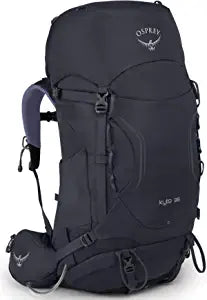
Hiking Backpacks are purpose-built gear designed for carrying essential items on foot, typically over varied terrains and possibly for multiple days. Their construction focuses on ergonomic support, weight distribution, ventilation, and accessibility during physically demanding activities. These bags are indispensable for day hikes, overnight excursions, or extended backcountry trekking.
- High-strength frames for load support
- Hydration system compatibility
- Multiple compartments for trail gear
- Weather-resistant features (rain covers, sealed zippers)
What are Travel Backpacks?
Travel Backpacks, in contrast, are optimized for efficient mobility through airports, cities, and between diverse accommodations. They emphasize organized packing, ease of access, and versatility—ideal for digital nomads, backpackers, and vacationers needing to stow personal items, tech devices, and clothing for a week or more.
- Suitcase-style openings for easy packing
- Quick-access pockets for passports and devices
- Integrated security features (lockable zippers)
- Convertible carry options (backpack, duffel, shoulder)
Key Differences Between Hiking Backpacks and Travel Backpacks
Despite some overlapping uses, Hiking Backpacks and Travel Backpacks diverge sharply in several respects:
| Feature | Hiking Backpacks | Travel Backpacks |
|---|---|---|
| Primary Environment | Outdoors, trails, mountains | Urban, airports, public transport |
| Design Focus | Comfort under load, balance, ventilation | Organization, access, security |
| Capacity Range | 20–80+ liters | 30–60 liters |
| Frame Type | Internal/external frame support | Minimal frame, sometimes frameless |
| Main Compartment Access | Top or side loading | Clamshell/suitcase opening |
| Specialty Features | Hydration reservoir, trekking pole loops, rain cover | Laptop sleeves, lockable zips, carry-on compliance |
Design and Internal Structure
Hiking Backpacks: Engineered for the Trail
The core of Hiking Backpacks lies in their frame systems—either internal for close-to-body stability or external for heavy, awkward loads. They usually offer well-padded hip belts, sternum straps, and lumbar support for comfort during lengthy hikes. Adjustable torso lengths and load-lifter straps help customize fit, crucial when traversing uneven terrain. Compartments are arranged to balance gear load, with specialized pockets for hydration bladders, quick-access snacks, or navigation tools.
- Top-loading design: Ideal for stuffing bulky gear, sleeping bags, and compressible items.
- External attachment points: Lash points for sleeping pads, tents, trekking poles.
- Ventilated back panels: Some feature mesh for airflow.
Travel Backpacks: Optimized for Quick Access
Meanwhile, Travel Backpacks prioritize hassle-free packing. Most offer a suitcase-style opening—allowing you to lay your bag flat, pack efficiently, and access any item without unloading everything. Internal compression straps keep clothing tidy, while padded sleeves protect electronics. More urban-focused, they feature minimalistic, often sleeker exteriors—better for maneuvering through crowds or stowing in overhead bins.
- Clamshell/open-flat design: Maximizes visibility and reach.
- Multiple access points: Side and front zippers for targeted retrieval.
- Padded computer and tablet sleeves: Shield tech devices.
- RFID-protected pockets: For passports and cards.
Carrying Comfort and Ergonomics
Hiking Backpacks: Built for Endurance
If you’re carrying 30+ lbs up steep inclines, every ounce of comfort counts. Hiking Backpacks are engineered for even weight distribution, transferring most of the load to your hips and away from your shoulders. This approach reduces fatigue, supports posture, and mitigates common strain injuries associated with prolonged walking.
- Adjustable suspension systems adapt to different torso lengths and shapes.
- Thick, contoured hip belts lessen pressure points.
- Breathable padding on both back panel and straps.
Travel Backpacks: Mobility First
While Travel Backpacks often carry a lighter load overall, comfort shouldn’t be overlooked—especially if rushing through airports or on city walking tours. The best models offer stowable shoulder straps and hip belts for versatility, but typically forgo extensive suspension features to keep the bag slim and airline-ready.
- Streamlined harnesses: Easy to tuck away for checked luggage.
- Quick-grab handles: Allow for briefcase or duffel-style carry.
- Balanced padding: Sufficient for city-scale walking but may lack endurance comfort for long hauls.
Organization and Storage Solutions
Hiking Backpacks: Rugged Utility
Organization options center on trail needs. You'll find:
- Separate lower compartments for sleeping bags or wet items.
- Side water bottle pockets and hip belt stash pouches for on-the-go essentials.
- Lash points and daisy chains for modular storage.
- Emergency whistle or safety gear loops.
Travel Backpacks: Urban Efficiency
Designs focus on dividing travel gear, clothes, and electronics:
- Zippered mesh dividers and multiple internal pockets for organization.
- Shoe compartments: For separating clean and dirty items.
- Front organizer panel: Dedicated slots for pens, devices, chargers.
- Hidden security pockets: Protect valuables from theft.
Durability and Materials
Hiking Backpacks: Tough Against Nature
These packs use abrasion-resistant fabrics—such as high-denier nylon, Cordura, or ripstop polyester—and reinforced stitching at stress points. Usually, materials are treated with DWR (durable water repellent) coating, and zippers are heavily weather-sealed. The overall design is intended to withstand encounters with rocks, branches, and abrasive surfaces over years of use.
Travel Backpacks: Shielded for Transit
While also robust, Travel Backpacks shift focus toward resisting tearing from baggage belts, abrasive airport surfaces, and urban hazards. Many feature PU-coated nylon or polyester, tamper-proof zippers, and reinforced handles.
Weather Resistance & Environmental Readiness
Hiking Backpacks: Weather-Ready by Design
Many Hiking Backpacks come with integrated rain covers, sealed YKK zippers, and water-resistant construction. Some are also built to accommodate snow gear, or to repel sand and mud, supporting adventure across all seasons and climates.
Travel Backpacks: Urban Elements
While some Travel Backpacks are water-repellent, their protection is usually optimized for brief exposure—think moving between taxi ranks and terminal doors. Fewer models include full rain coverage or snow shielding, making them best for urban or light adventure climates.
User Scenarios: When to Choose Which?
Ideal Uses for Hiking Backpacks
- Multi-day trekking: Hauling tents, food, stoves, and weather gear through remote areas.
- Day hikes: Carrying water, first aid, snacks, and extra layers on rugged routes.
- Mountaineering or alpine: Specialized packs for technical equipment.
- Backcountry camping: Where comfort under load, weather resistance, and external gear attachment is vital.
Ideal Uses for Travel Backpacks
- International travel: Navigating airports, hostels, trains, and walking city streets.
- Business trips: Keeping laptops, documents, and a wardrobe organized and protected.
- Weekend getaways: Where carry-on compliance saves time and money.
- Urban exploration: Sightseeing, working remotely, or moving quickly between accommodations.
Cost and Value: What to Expect
Understanding the price-performance spectrum is essential for making a smart investment.
Hiking Backpacks: Range and Investment
Budget models start around $60–$100, while premium technical packs can top $350 or more. Key drivers of price include advanced suspension, frame materials (aluminum stays, carbon fiber), specialized fabrics, and brand reputation. Look for a guarantee or robust warranty.
Travel Backpacks: Pricing Trends
Entry-level Travel Backpacks can cost between $50–$100. Premium models designed for digital nomads or frequent flyers range from $150–$350, depending on size, organizational features, and integrated security elements. Consider spending a bit more if you require lock-compatible zippers or advanced tech organization.
The ultimate value comes from matching your purchase to your main travel or adventure style, ensuring you neither overspend nor end up with a bag lacking critical features.
Pro Tips for Selecting Your Ideal Backpack
- Assess the Primary Purpose: Write down your most frequent or imminent trip. Will you be on the trail, in cities, or moving back and forth? This is the single biggest driver of your decision.
- Consider Capacity: For hiking, match bag size to trip duration (day, overnight, multi-day). For travel, pick a size that fits carry-on regulations if flying often.
- Fit and Comfort: Always try on with a realistic load, adjust harnesses, and test hip belt fit. Shorter torsos or petite frames may need women’s-specific designs.
- Check Access and Organization: Prioritize easy access (side zips, top pockets) for must-have items—especially in airports or on the move.
- Evaluate Durability: High-denier fabrics, double or triple stitching, and burly zippers add years to your investment.
- Security Features: Lockable zippers, RFID-blocking pockets, and hidden pouches are a must for urban or international travel.
- Weather Protection: Buy a rain cover if your pack doesn’t include one—critical for hikers, and useful even for travelers.
- Style and Versatility: Some modern packs straddle both categories, offering detachable daypacks, convertible straps, or modular organization. If you adventure and travel equally, this may be an ideal compromise.
Care and Maintenance: Extend the Life of Your Backpack
Your backpack is an investment in comfort and adventure. To ensure it supports your journeys for years:
- Regularly clean: After trips, brush off dirt and, if necessary, hand-wash in lukewarm water with mild detergent. Always air dry.
- Store properly: Loosen straps, keep out of direct sunlight, and avoid compressing for long periods.
- Inspect for wear: Check stitching, zippers, and buckles before each trip, repairing minor damages before they escalate.
- Protect from odors: Use odor-neutralizing sprays and, on multi-day trips, pack clothing in dry bags or liners.
Conclusion: Making the Final Choice
As our comparison reveals, the choice between Hiking Backpacks and Travel Backpacks ultimately hinges on your intended environment, carry preferences, and organizational needs. Hiking Backpacks excel when comfort under heavy loads, weather protection, and ergonomic fit are paramount—making them indispensable for outdoor treks and remote adventures. In contrast, Travel Backpacks shine for city breaks, international journeys, and urban explorations, thanks to their ease of access, organizational versatility, and travel security.
Your backpack is more than a vessel for your belongings—it's the foundation for a seamless, enjoyable, and memorable journey. Invest thoughtfully, match your choice to your most common trips, and don't hesitate to seek advice from experienced hikers or travelers before purchasing. For many, owning one of each type is the best way to be ready, wherever the world takes you.
Ready to find your perfect pack? Explore our curated selection of Hiking Backpacks and Travel Backpacks—engineered for every adventure. Shop now and start your next chapter equipped for comfort, organization, and exploration!
Have questions or need guidance? Our expert team is always here to help you choose the best backpack for your lifestyle and adventures. Contact our support team or browse our in-depth reviews and travel tips for more insights. Happy exploring!
Continue Your Hiking Backpack Research
Compare the broader assortment in our Hiking Backpacks collection, then use these focused guides:
Sample Block Quote
Praesent vestibulum congue tellus at fringilla. Curabitur vitae semper sem, eu convallis est. Cras felis nunc commodo loremous convallis vitae interdum non nisl. Maecenas ac est sit amet augue pharetra convallis nec danos.
Sample Paragraph Text
Praesent vestibulum congue tellus at fringilla. Curabitur vitae semper sem, eu convallis est. Cras felis nunc commodo eu convallis vitae interdum non nisl. Maecenas ac est sit amet augue pharetra convallis nec danos dui.
Cras suscipit quam et turpis eleifend vitae malesuada magna congue. Damus id ullamcorper neque. Sed vitae mi a mi pretium aliquet ac sed elitos. Pellentesque nulla eros accumsan quis justo at tincidunt lobortis denimes loremous. Suspendisse vestibulum lectus in lectus volutpat, ut dapibus purus pulvinar. Vestibulum sit amet auctor ipsum.
Praesent vestibulum congue tellus at fringilla. Curabitur vitae semper sem, eu convallis est. Cras felis nunc commodo eu convallis vitae interdum non nisl. Maecenas ac est sit amet augue pharetra convallis nec danos dui.
Cras suscipit quam et turpis eleifend vitae malesuada magna congue. Damus id ullamcorper neque. Sed vitae mi a mi pretium aliquet ac sed elitos. Pellentesque nulla eros accumsan quis justo at tincidunt lobortis denimes loremous. Suspendisse vestibulum lectus in lectus volutpat, ut dapibus purus pulvinar. Vestibulum sit amet auctor ipsum.
