


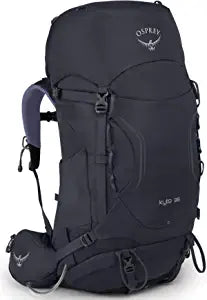
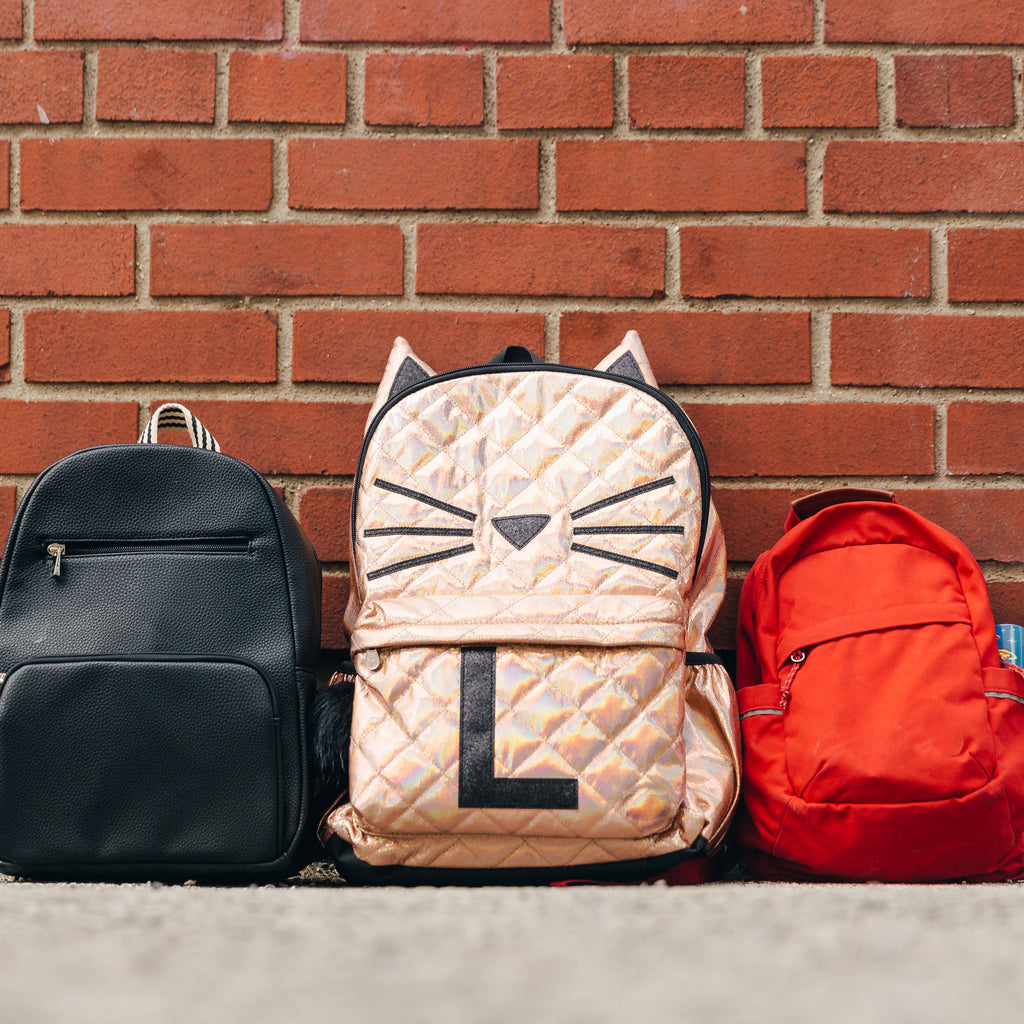
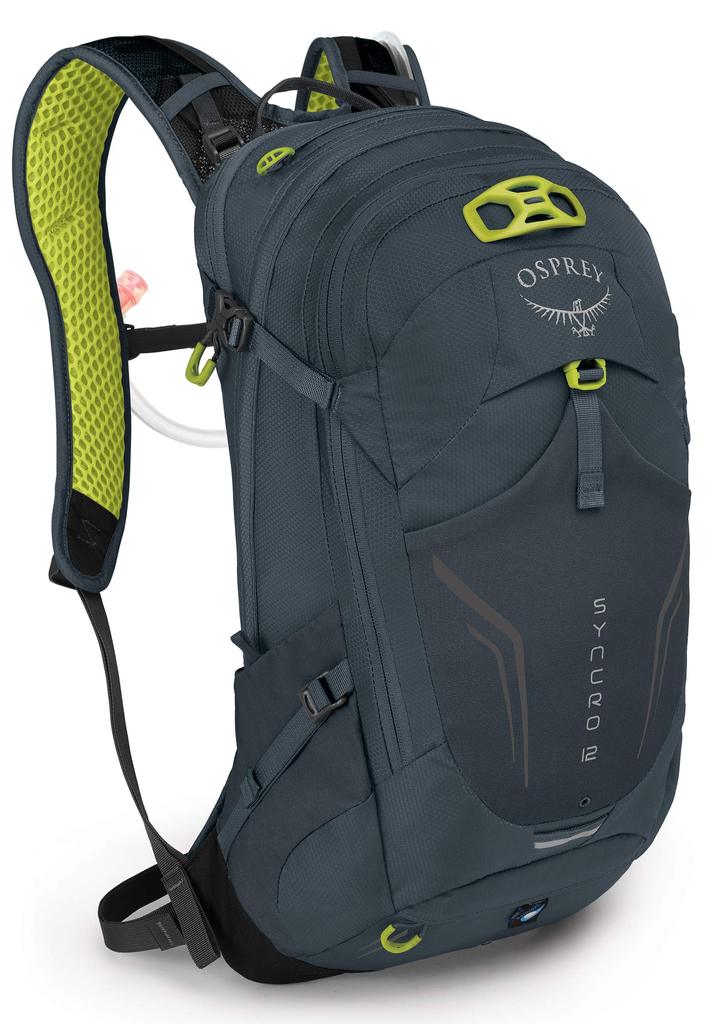
How Heavy Should a Kids Backpack Be? Weight and Safety Guide
Quick Answer: A commonly cited starting guideline is to keep a child’s fully loaded school backpack at about 10% to 15% of body weight, including the backpack itself. Use the lower end for younger children, long walks, existing pain or medical guidance. The better rule is to keep the load as light as practical and watch the child: forward leaning, red shoulder marks, numbness, difficulty lifting the bag or back, neck and shoulder pain mean the load or fit needs attention.
Backpack weight is not determined by age alone. Two children in the same grade may differ greatly in body size, torso length, strength, commute and required supplies. This guide explains how to calculate a starting range, weigh the real school load, reduce unnecessary weight and recognize when a parent should contact the school or a healthcare professional.


How heavy should a kids backpack be?
For a practical home check, weigh the child and the completely packed backpack in the same unit. Multiply the child’s weight by 0.10 for a conservative target and by 0.15 for the upper end of the commonly cited range. These numbers are screening tools, not permission to load every child to the maximum. The American Academy of Pediatrics advises choosing a lightweight pack and keeping the load reasonable, while current pediatric guidance emphasizes individual fit and symptoms.
| Child’s weight | 10% starting target | 15% upper comparison |
|---|---|---|
| 40 lb | 4 lb | 6 lb |
| 50 lb | 5 lb | 7.5 lb |
| 60 lb | 6 lb | 9 lb |
| 80 lb | 8 lb | 12 lb |
| 100 lb | 10 lb | 15 lb |
The total includes the empty backpack, books, device, charger, lunch, bottle, sports clothing and every forgotten object. A full water bottle can add surprising weight. Weigh the ordinary Monday load rather than an unusually empty Friday bag.
Why the percentage is only a starting point
Researchers and health organizations do not all use one identical cutoff, and a percentage cannot capture walking distance, stairs, time carried, terrain or an individual condition. A child who stays below 10% but experiences pain still needs a change. A healthy teen carrying 15% for thirty seconds from a car faces a different exposure than a smaller child walking twenty minutes.
Use the scale, the fit test and the child’s response together. If the child has a back, shoulder or neurological condition, follow the clinician’s recommendation rather than a general online chart. This article provides consumer education and is not individualized medical advice.
How to weigh a school backpack accurately
- Pack everything required for a normal school day.
- Include the filled bottle, lunch and device.
- Place the closed backpack on a household scale.
- Weigh the child separately in the same unit.
- Divide backpack weight by body weight and multiply by 100.
- Repeat on the heaviest timetable day.
For example, a seven-pound backpack divided by a fifty-pound child equals 0.14, or 14%. That lies within the commonly cited 10%–15% comparison band, but comfort, fit and carrying time still matter.
As an Amazon Associate, we may earn from qualifying purchases.
Compare lightweight kids backpacks on Amazon
Signs a backpack may be too heavy
Watch the child put the pack on, walk, turn and climb a step. Warning signs include leaning forward, arching backward, hiking one shoulder, struggling to stand upright, needing help to lift the bag, red pressure marks, complaints of fatigue or pain, and tingling or numbness. A backpack that changes normal walking deserves attention even if the scale looks acceptable.
Persistent pain, weakness, numbness, tingling or symptoms that continue after the backpack is removed should be discussed with a qualified healthcare professional. Do not tell a child to “get used to it.”
The empty backpack counts
A heavy pack consumes part of the load allowance before supplies are added. Decorative hardware, wheels, rigid frames and thick molded panels can add weight. Lightweight does not mean flimsy: durable fabric, reinforced anchors and reliable zippers can coexist with a modest empty weight.
The durable kids backpack guide explains how to assess seams, strap anchors and bottom panels without treating heavier construction as automatically better.

How to lighten a child’s backpack
Start with a complete emptying, not a quick glance. Remove old worksheets, duplicate supplies, toys, wrappers and books that do not need to travel that day. Confirm the timetable each evening. Ask whether the school offers lockers, classroom storage, digital copies or a second set of heavy materials for home.
Send an empty bottle for filling at school only when school policy and water access make that practical. Choose a compact lunch container instead of several heavy rigid boxes. Avoid carrying a full-size charger when the device reliably lasts through the school day. Never remove required medication or emergency supplies merely to hit a number.
Browse organized kids school backpacks
Pack the heaviest items closest to the back
Weight farther from the body creates more backward pull. Place a laptop, binder and large books in the compartment closest to the child’s back. Keep lighter, softer items toward the front. Use compartments so dense objects cannot slide to one side or collect at the bottom.
A padded device sleeve protects against ordinary contact but does not make dropping or crushing safe. Keep bottle caps secure and liquids outside the device area. Our complete Kids Backpack guide covers capacity and organization.
Both shoulder straps matter
Using both straps keeps the load more symmetrical and close to the body. Adjust them evenly so the bag rests against the back instead of hanging low. Wide padded straps may reduce pressure concentration. A chest strap can improve stability, while a properly positioned waist belt may transfer part of a suitable load on packs designed for it.
Straps do not cancel excess weight. If a child must lean forward after every adjustment, remove contents or reassess the bag.
Backpack weight by school stage
Preschool and kindergarten
Young children generally need a small, light pack for a folder, snack, bottle and spare clothing. Their narrow shoulders make sizing and chest-strap adjustment especially important. Do not buy an oversized pack to grow into.
Elementary school
Binders, library books and devices begin to increase the load. A weekly cleanout and daily timetable check offer the largest improvement. Compare school requirements before choosing capacity.
Middle and high school
Students may carry multiple textbooks, a laptop, sports gear and longer commutes. Use lockers and schedule-based packing where available. A larger student is not automatically comfortable with a larger percentage.
Compare kids backpacks by school stage
Are rolling backpacks better for heavy loads?
Wheels can remove weight from the back on smooth, level routes, but rolling bags are heavier when lifted and can create problems on stairs, buses and crowded corridors. Some schools restrict them as trip hazards. Confirm school policy and the child’s route before choosing one.
Read our rolling versus standard kids backpack guide for the complete tradeoff.
Does a heavy backpack cause scoliosis?
Backpack use is not considered a cause of scoliosis. An overloaded or poorly worn backpack can contribute to discomfort, muscle strain and temporary posture changes. A child with scoliosis or another diagnosed condition should follow advice from their treating clinician.
What should parents ask the school?
If necessary materials routinely push the load too high, document the packed weight on several days. Ask about lockers, classroom copies, digital resources, split binders, leaving instruments at school or coordinating homework materials. The solution may require a school-process change rather than purchasing another backpack.
Teachers may not realize that devices, bottles and materials from several classes accumulate. A specific weight record creates a more useful conversation than a general complaint.
A weekly backpack weight routine
- Empty every pocket.
- Return only items needed for the next day.
- Check the bottle and lunch container.
- Inspect straps, zippers and the base.
- Weigh the heaviest typical load.
- Ask the child about comfort.
- Readjust straps after growth or clothing changes.
The routine takes minutes and catches both unnecessary weight and early structural failure.
How empty weight and capacity interact
Capacity is an invitation, not a requirement. A 25-liter backpack may physically hold everything a student owns, but unused space often becomes filled with “just in case” objects. Choose capacity from the largest normal load, not the rare day when a costume, project and sports uniform travel together. A separate tote for occasional bulky projects may be better than carrying an oversized backpack every day.
Compare empty weights only among bags that fit the same child and supplies. A tiny preschool pack will naturally weigh less than a structured laptop bag. Conversely, a very light bag with narrow straps, weak anchors or no organization may become uncomfortable before it reaches the same packed weight. The goal is a low starting weight with adequate construction and an appropriate shape.
Devices, chargers and water are hidden weight
A school-issued laptop or Chromebook often becomes the heaviest single item. Keep it in the sleeve nearest the back and ask whether its charger needs to travel daily. Protective cases add useful impact protection but also weight; follow school requirements rather than removing required equipment.
Water weighs roughly one kilogram per liter, so a large filled bottle can change the calculation quickly. A smaller refillable bottle may be practical when safe drinking water is reliably available. Never reduce hydration simply to meet a backpack percentage. The better solution is matching bottle size to access and moving it in a secure side pocket.
Sports days and unusually heavy schedules
Measure the heaviest recurring day, not only the average. Gym shoes, instruments, library books and project materials can create predictable spikes. If possible, separate hand-carried sports equipment from the school backpack, use on-site storage or coordinate which items travel home.
A one-time heavy project is different from a repeated daily load, but it still needs safe handling. An adult may help with an unusual item. Do not hang a heavy secondary bag from one backpack strap; the off-center load can twist the pack and strain the anchor.
How to lift and remove a loaded backpack
Set the bag on a stable surface when possible, turn with the back toward it and slide both arms through the straps. When lifting from the floor, bend the knees and keep the object close rather than bending and twisting at the waist. To remove it, loosen or release the chest strap first and lower the bag under control.
Children often swing a pack by one strap or top handle. That creates sudden force on stitching and can strike another person. Teach a two-handed lift for a heavier load. The same habit protects the child and extends the backpack’s useful life.
See comfortable school backpack designs for kids

Frequently Asked Questions
What percentage of body weight should a child’s backpack be?
About 10%–15% is a commonly cited screening range for the fully loaded bag. Use the lower end when appropriate and respond to symptoms even below that range.
How much should a 50-pound child carry?
Ten percent is five pounds and fifteen percent is 7.5 pounds. These are comparison points, not an individual prescription.
Does the backpack itself count?
Yes. Weigh the backpack with every normal item inside.
What happens if a backpack is too heavy?
The child may lean, struggle, tire or experience back, neck or shoulder discomfort. Numbness, tingling, weakness or persistent pain warrants professional advice.
Should heavy books go in front or back?
Place dense items closest to the child’s back and use compartments to prevent shifting.
Is one shoulder strap okay?
Both straps provide more balanced carrying. Adjust them evenly.
Should a child wear a backpack in a moving car?
Remove it before travel so it does not interfere with normal seating and restraint positioning.
Final Verdict
Use 10%–15% of body weight as a practical starting comparison, not the whole decision. Weigh the complete load, keep it as light as possible, pack dense items close to the back and use both shoulder straps. Fit, carrying duration and the child’s response matter alongside the number.
If required school materials repeatedly create an excessive or uncomfortable load, involve the school rather than trying to solve everything with a bigger backpack. Compare appropriate options in the Kids Backpacks collection.
Sample Block Quote
Praesent vestibulum congue tellus at fringilla. Curabitur vitae semper sem, eu convallis est. Cras felis nunc commodo loremous convallis vitae interdum non nisl. Maecenas ac est sit amet augue pharetra convallis nec danos.
Sample Paragraph Text
Praesent vestibulum congue tellus at fringilla. Curabitur vitae semper sem, eu convallis est. Cras felis nunc commodo eu convallis vitae interdum non nisl. Maecenas ac est sit amet augue pharetra convallis nec danos dui.
Cras suscipit quam et turpis eleifend vitae malesuada magna congue. Damus id ullamcorper neque. Sed vitae mi a mi pretium aliquet ac sed elitos. Pellentesque nulla eros accumsan quis justo at tincidunt lobortis denimes loremous. Suspendisse vestibulum lectus in lectus volutpat, ut dapibus purus pulvinar. Vestibulum sit amet auctor ipsum.
Praesent vestibulum congue tellus at fringilla. Curabitur vitae semper sem, eu convallis est. Cras felis nunc commodo eu convallis vitae interdum non nisl. Maecenas ac est sit amet augue pharetra convallis nec danos dui.
Cras suscipit quam et turpis eleifend vitae malesuada magna congue. Damus id ullamcorper neque. Sed vitae mi a mi pretium aliquet ac sed elitos. Pellentesque nulla eros accumsan quis justo at tincidunt lobortis denimes loremous. Suspendisse vestibulum lectus in lectus volutpat, ut dapibus purus pulvinar. Vestibulum sit amet auctor ipsum.
