


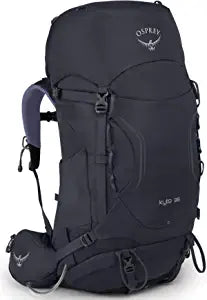

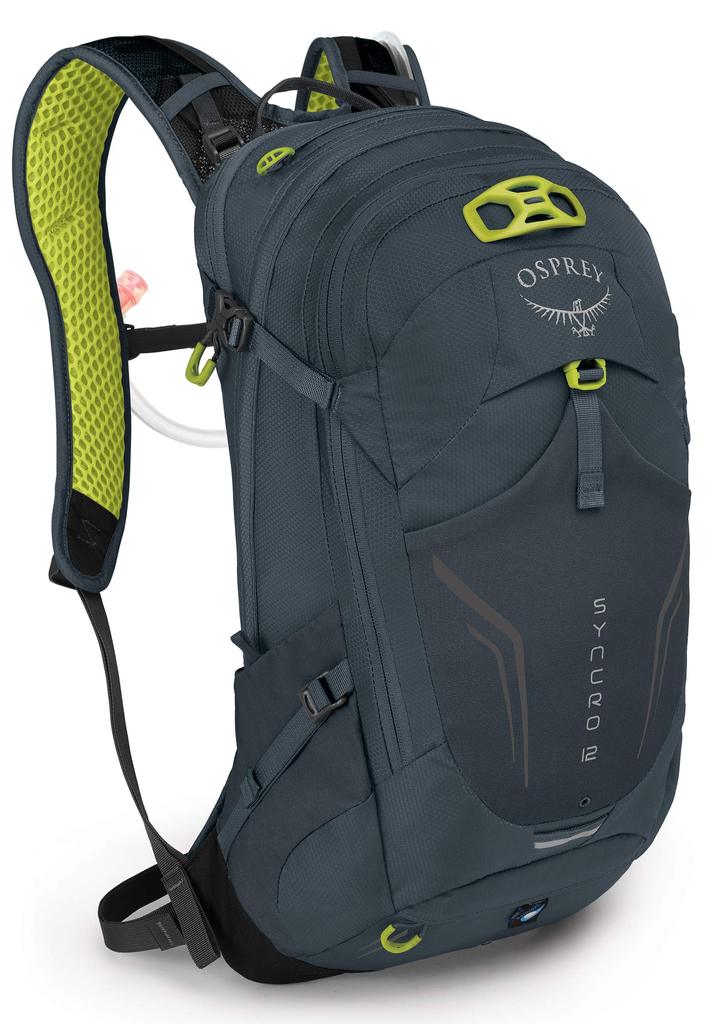
How to Choose Business Laptop Backpacks
The best business laptop backpacks match the dimensions, organization and carrying style required for your real daily or travel load. Begin with the largest item you must carry, then compare support, access and model-specific features instead of choosing by appearance alone.
Compare current laptop backpack options and prices on Amazon.
Quick answer
Choose the smallest option that comfortably holds your essential items and solves the main carrying problem. For daily commuting, client visits, conferences and short business trips, give priority to laptop fit, document storage, understated organization, trolley sleeves, quick-access pockets and comfortable straps. Always confirm current measurements on the individual product page.
Compare current options in the Business Laptop Backpacks collection. For broader alternatives, browse business backpacks and laptop backpacks.
Start with a packing list
Set out everything you expect to carry on a normal day or trip. Separate must-have items from occasional extras, measure the largest piece and note anything that needs padding, ventilation or quick access. This simple step makes capacity comparisons more meaningful.
Compare fit and dimensions
Category names are not standardized measurements. Two products with similar names can fit very different loads. Check exterior dimensions, compartment measurements and listed capacity. If a laptop, airline limit or storage space matters, compare those measurements directly before choosing.
Evaluate the useful features
Focus on laptop fit, document storage, understated organization, trolley sleeves, quick-access pockets and comfortable straps. More features are not automatically better: extra hardware can add weight and complexity. A good design gives the items you use most often a predictable place without making the bag difficult to pack.
Test comfort and handling
Think about stairs, long terminals, crowded aisles, vehicles and storage at home. Straps should adjust securely, handles should feel natural at your height, and wheels should track steadily where applicable. The loaded bag should remain balanced rather than pulling away from your body.
Buying checklist
- Measure your largest essential item.
- Confirm exterior and compartment dimensions.
- Match pockets to your actual packing routine.
- Review straps, wheels, handles and closures.
- Check current airline, school or workplace rules when relevant.
Final verdict
A well-matched bag is easier to organize, carry and store. Choose around repeated needs, verify model details and avoid paying for capacity or features you will rarely use.
Continue Comparing Laptop Backpacks
Browse the complete laptop backpack collection, compare business laptop backpacks, travel laptop backpacks, and 17-inch laptop backpacks, or use our laptop backpack buying guide.
As an Amazon Associate, Backpacks4Less earns from qualifying purchases.
A Better Way to Evaluate business laptop backpacks
Start with the non-negotiable measurement: the work computer plus any attached case. A product-category label is only a starting point. Compare the device with the usable internal sleeve dimensions, including thickness and any case that remains attached. The zipper should close normally without pressing against a laptop corner.
Next, load-test the design mentally against your routine. A strong business laptop backpack should handle a laptop, charger, documents, travel accessories, and a light personal load without forcing unrelated items into the computer compartment. Prioritize professional styling, structured organization, a luggage pass-through, discreet pockets, and comfortable commuter straps. Features that do not solve a real carrying problem should rank below fit, protection, and comfort.
Protection Details That Matter
Look for padding across both broad faces of the computer, along the sides, and beneath the base. A suspended sleeve stops above the backpack floor and creates a buffer when the bag is set down. If the sleeve is not suspended, substantial bottom padding becomes more important. A retaining strap can limit movement, but it should not press hard against the display lid.
Weather-resistant fabric can help during brief light rain, but it is not automatically waterproof. Zippers and seams remain potential entry points. For valuable electronics, use a compatible sleeve or rain cover when prolonged exposure is possible and follow the product maker’s care instructions.
Comfort and Loaded Fit
Wide shaped shoulder straps distribute weight better than narrow webbing. A supportive back panel keeps hard objects from pressing into the body, while an adjustable sternum strap can stabilize a heavier load. The bag should sit close to the back rather than hanging low.
When the order arrives, keep the packaging until you test it indoors. Add the normal load, close every zipper without force, and walk for several minutes. Check for shifting, pressure points, strap slippage, and a handle or wheel system that feels awkward at the expected weight.
Organization Without Wasted Space
Useful organization separates the charger, cables, documents, small accessories, and liquids. Too many tiny pockets can add bulk without improving access. Favor a layout that matches the objects you carry every day. A bright lining can make small items easier to see, while a key clip and quick-access pocket prevent repeated searching.
USB pass-through ports do not create power; they route a cable to a separately purchased power bank. When flying, follow the airline’s current battery requirements and keep prohibited items out of the pack.
Work, School, and Travel Considerations
For work, consider appearance, document storage, transit distance, and whether the bag needs to attach to rolling luggage. Students should account for books, lunch, and supplies without allowing them to press against the laptop. Travelers need to evaluate external packed dimensions separately from laptop fit because airline limits apply to the entire bag.
Browse business laptop backpacks, compare leather laptop backpacks, and use the main laptop backpack collection when a broader range is helpful. Our laptop measurement guide explains how to confirm fit.
Frequently Asked Questions
How do I confirm the laptop will fit?
Measure the closed computer’s width, height, and maximum thickness, including any attached shell. Compare those figures with the compartment’s usable internal dimensions.
How much capacity should I choose?
Select enough room for a laptop, charger, documents, travel accessories, and a light personal load, with a little working space so zippers close normally. Liter figures are helpful but pocket shape and external dimensions also matter.
What is the most important protection feature?
Correct sleeve fit plus protection beneath the computer is the foundation. A suspended sleeve or well-padded base helps reduce impact when the bag is placed down.
Can this type of backpack be used for flying?
Possibly, but only when its fully packed external dimensions meet the airline’s current personal-item or carry-on rules. Check directly before departure.
Final Verdict
Business laptop backpacks work best when their specialized design matches the laptop and the real carrying routine. Measure first, protect the computer from the base and accessories, and choose the smallest capacity that holds the full load comfortably.
As an Amazon Associate, we may earn from qualifying purchases.
Sample Block Quote
Praesent vestibulum congue tellus at fringilla. Curabitur vitae semper sem, eu convallis est. Cras felis nunc commodo loremous convallis vitae interdum non nisl. Maecenas ac est sit amet augue pharetra convallis nec danos.
Sample Paragraph Text
Praesent vestibulum congue tellus at fringilla. Curabitur vitae semper sem, eu convallis est. Cras felis nunc commodo eu convallis vitae interdum non nisl. Maecenas ac est sit amet augue pharetra convallis nec danos dui.
Cras suscipit quam et turpis eleifend vitae malesuada magna congue. Damus id ullamcorper neque. Sed vitae mi a mi pretium aliquet ac sed elitos. Pellentesque nulla eros accumsan quis justo at tincidunt lobortis denimes loremous. Suspendisse vestibulum lectus in lectus volutpat, ut dapibus purus pulvinar. Vestibulum sit amet auctor ipsum.
Praesent vestibulum congue tellus at fringilla. Curabitur vitae semper sem, eu convallis est. Cras felis nunc commodo eu convallis vitae interdum non nisl. Maecenas ac est sit amet augue pharetra convallis nec danos dui.
Cras suscipit quam et turpis eleifend vitae malesuada magna congue. Damus id ullamcorper neque. Sed vitae mi a mi pretium aliquet ac sed elitos. Pellentesque nulla eros accumsan quis justo at tincidunt lobortis denimes loremous. Suspendisse vestibulum lectus in lectus volutpat, ut dapibus purus pulvinar. Vestibulum sit amet auctor ipsum.
