


How to Choose EDC Backpacks: Fit, Size & Features
Choosing the right EDC Backpacks is easier when you begin with the load, trip length, and environment instead of color or price. The best option should carry what you need, remain comfortable when full, and make frequently used items easy to reach.
Quick answer: People building a repeatable everyday carry system without the bulk of an expedition pack should prioritize purposeful compartments, fast access, durable fabric, balanced capacity, comfortable straps, and discreet organization for frequently used gear. Match the bag to your real load rather than buying more capacity than you can comfortably carry.
What Makes a Good EDC Backpacks?
A strong choice balances weight, structure, organization, durability, and comfort. For daily commuting, tech carry, preparedness, errands, and organized everyday use, the bag should feel stable rather than sagging away from the back. Examine seams, zipper paths, strap attachment points, and the base because those areas absorb the most stress.
Materials matter, but construction matters just as much. A heavier fabric is not automatically more durable if stitching and hardware are weak. Conversely, a light bag can perform extremely well when its fabric, reinforcement, and load distribution are designed for the intended use.
Choose the Right Size and Capacity
Lay out the items you carry most often before selecting a size. Measure unusually large objects and account for cases, bottles, chargers, clothing layers, or tools. A bag that is slightly too small creates overstuffed zippers; one that is much too large encourages unnecessary weight and allows contents to shift.
- Daily essentials: Favor a compact profile and fast-access organization.
- Work or school: Confirm device protection, document space, and comfortable straps.
- Travel or outdoor use: Leave room for layers, food, water, and changing conditions.
Fit and Carrying Comfort
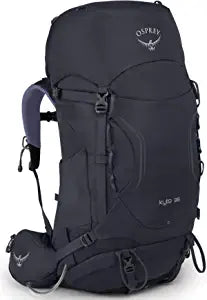
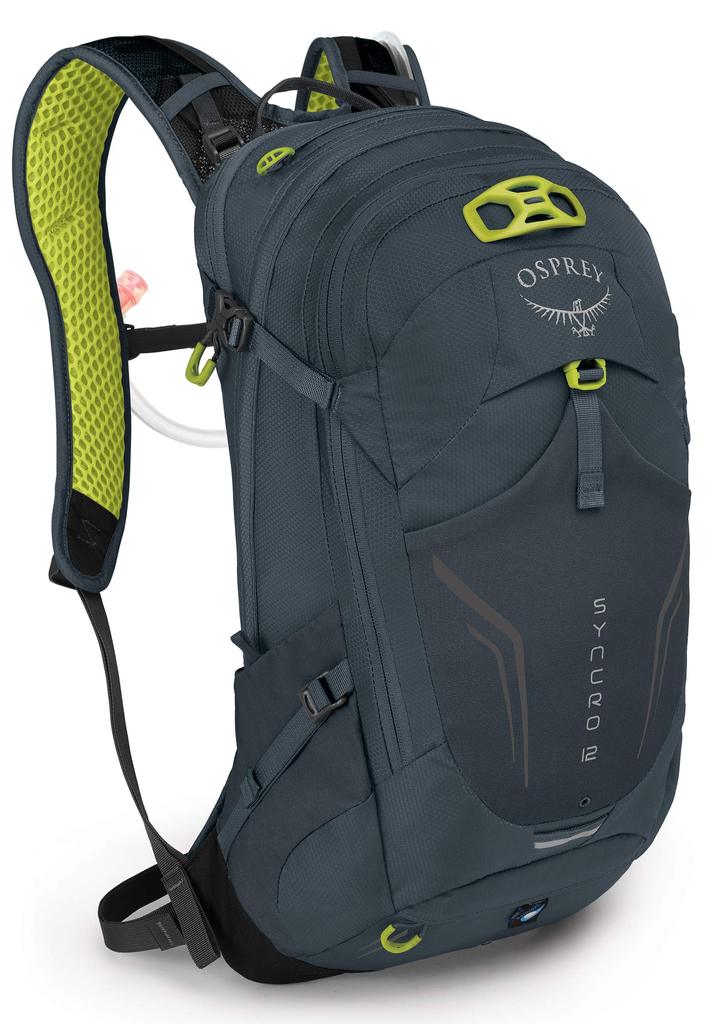
Shoulder straps should contour without pinching the neck or sliding outward. Load lifters, sternum straps, hip belts, and ventilated back panels can help, but only when they fit correctly. Place dense items near the back and around the midline to reduce leverage on your shoulders.
Test fit with realistic weight. Adjust shoulder straps first, then stabilizers. Walk, turn, climb stairs, and reach overhead. Movement reveals pressure points that are easy to miss when an empty bag is evaluated for only a few seconds.
Organization and Access
Good organization supports the way you move through the day. Too many tiny pockets can be as frustrating as one undivided compartment. Look for a logical home for valuables, wet or dirty items, electronics, and frequently used gear. Bright lining and wide openings improve visibility.
Materials, Weather Resistance, and Security
Consider abrasion resistance, coating, zipper design, and the likelihood of rain or spills. Water resistance slows moisture; it does not necessarily make a bag waterproof. For sensitive gear, use protective sleeves or dry bags even when the backpack has a coated shell.
Security features should fit the environment. Hidden pockets and lockable zipper pulls are useful in crowded places, while reflective details or attachment points may matter more outdoors. Avoid features that add weight without supporting your actual routine.
Disclosure: As an Amazon Associate, Backpacks4Less may earn from qualifying purchases made through links on this page, at no extra cost to you.
How to Compare Value
Compare the complete ownership experience rather than the lowest price. A well-fitting bag that protects its contents and survives repeated use can be a better value than a cheaper bag that needs early replacement. Review warranty terms, replacement parts, cleaning requirements, and the credibility of recent user feedback.
Compare Related Backpack Styles
No backpack category exists in isolation. Compare Tactical Backpacks, Laptop Backpacks, Smart Backpacks when you want a different balance of capacity, organization, appearance, or carrying comfort. A useful comparison focuses on what you actually carry, how long you carry it, and which compromises you are willing to accept.
Frequently Asked Questions
What size edc backpacks should I buy?
Choose the smallest capacity that fits your normal load with modest spare room. Measure large items and avoid sizing only from a product photo.
Which features matter most?
Prioritize purposeful compartments, fast access, durable fabric, balanced capacity, comfortable straps, and discreet organization for frequently used gear. Features should solve a real carrying problem rather than simply lengthen the specification list.
How should a loaded backpack fit?
It should sit close to the body with stable weight, comfortable shoulder contact, and no concentrated pressure points.
Are expensive edc backpacks always better?
No. Price can reflect materials, construction, warranty, or branding, but fit and suitability remain more important than price alone.
Final Buying Checklist
- Your usual load fits without forcing the closure.
- The straps and back panel remain comfortable at realistic weight.
- The opening and pockets match how you access gear.
- The materials suit expected weather and abrasion.
- The return policy allows a proper loaded fit test.
Start with the complete EDC Backpacks collection, compare the features that affect your daily experience, and choose the model that makes carrying easier—not merely the one with the longest feature list.
EDC Capacity by Daily Load
Use 10 to 15 liters for a minimal kit, 16 to 20 liters for a tablet or light laptop commute, and 21 to 25 liters for the most flexible daily setup. Choose 26 to 30 liters when work gear shares space with gym clothing, camera equipment or a substantial meal. Larger is not automatically more comfortable.
How to Test Fit Before Keeping the Bag
Load the bag with the objects you actually carry, including water. Tighten both shoulder straps evenly and walk for at least several minutes. The pack should sit close to the torso without pulling backward, rubbing the neck or concentrating pressure on one spot. Check the return policy before performing a loaded fit test.
Browse EDC backpacks with different harness designs
Match the Opening to Your Routine
Top-loading bags protect simple loads and usually use fewer zippers. Clamshell openings reveal everything and work well for travel. Panel loaders provide a useful middle ground for work and commuting. A quick-access pocket is valuable only when it holds objects you reach for repeatedly.
Compare our best EDC backpack guide and current EDC backpack layouts.
Should You Choose Tactical or Low-Profile?
Tactical designs add structured organization, compression and often MOLLE webbing. Low-profile EDC backpacks are generally lighter and easier to use in offices and cities. Our EDC vs tactical comparison and MOLLE guide explain when the extra hardware earns its weight.
Compare tactical and urban EDC bags
One-Minute Decision Rule
Write down the five items you use most, the largest object and the longest period you carry the bag. Eliminate every option that fails those three facts. Then compare comfort, construction and access instead of shopping by appearance alone.
Sample Block Quote
Praesent vestibulum congue tellus at fringilla. Curabitur vitae semper sem, eu convallis est. Cras felis nunc commodo loremous convallis vitae interdum non nisl. Maecenas ac est sit amet augue pharetra convallis nec danos.
Sample Paragraph Text
Praesent vestibulum congue tellus at fringilla. Curabitur vitae semper sem, eu convallis est. Cras felis nunc commodo eu convallis vitae interdum non nisl. Maecenas ac est sit amet augue pharetra convallis nec danos dui.
Cras suscipit quam et turpis eleifend vitae malesuada magna congue. Damus id ullamcorper neque. Sed vitae mi a mi pretium aliquet ac sed elitos. Pellentesque nulla eros accumsan quis justo at tincidunt lobortis denimes loremous. Suspendisse vestibulum lectus in lectus volutpat, ut dapibus purus pulvinar. Vestibulum sit amet auctor ipsum.
Praesent vestibulum congue tellus at fringilla. Curabitur vitae semper sem, eu convallis est. Cras felis nunc commodo eu convallis vitae interdum non nisl. Maecenas ac est sit amet augue pharetra convallis nec danos dui.
Cras suscipit quam et turpis eleifend vitae malesuada magna congue. Damus id ullamcorper neque. Sed vitae mi a mi pretium aliquet ac sed elitos. Pellentesque nulla eros accumsan quis justo at tincidunt lobortis denimes loremous. Suspendisse vestibulum lectus in lectus volutpat, ut dapibus purus pulvinar. Vestibulum sit amet auctor ipsum.
