


How to Choose Lightweight Backpacks Like a Pro
How to Choose the Right Lightweight Backpacks for Travel, Work, and Everyday Use
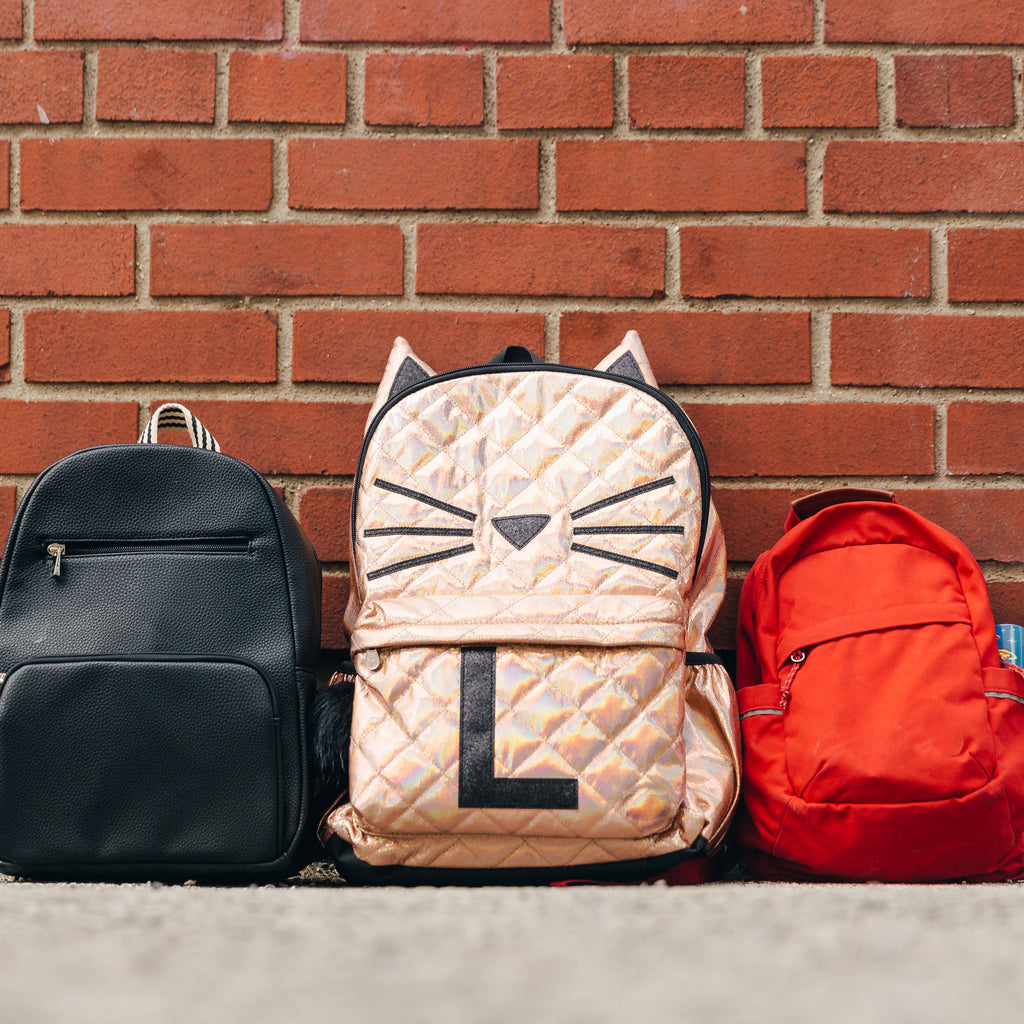
Choosing a backpack may seem simple at first, but the right bag can make a major difference in comfort, organization, and day-to-day convenience. Whether you are commuting to the office, planning a weekend city break, heading to class, or organizing your carry-on essentials, selecting the right pack requires more than picking a style you like. The best lightweight backpacks combine practical design, durable materials, useful compartments, and a comfortable fit without adding unnecessary bulk.
This guide explains how to choose a backpack that matches your needs, your routine, and your personal style. You will learn what features matter most, how to compare materials and sizes, what to pack, and how to maintain your backpack for long-term value. If you are shopping for a new everyday carry option, this step-by-step article will help you make a confident and informed decision.
Why Lightweight Backpacks Are Worth Considering
A backpack that weighs too much before you even pack it can quickly become inconvenient. A lighter design helps reduce strain during long commutes, crowded travel days, and busy schedules that involve frequent movement. This is one reason why lightweight options continue to grow in popularity among students, professionals, travelers, and parents alike.
However, lightweight does not mean flimsy. A well-made backpack should still offer structure, support, and durability. The goal is to find a bag that feels easy to carry while still providing the features you need. When chosen carefully, a lightweight backpack can support better organization, easier mobility, and a more streamlined daily routine.
Step 1: Define How You Plan to Use Your Backpack
Before comparing colors, pockets, or brands, start by identifying the primary use of your backpack. This decision shapes everything from size to material.
For Daily Commuting
If you commute to work or school, focus on a backpack with padded shoulder straps, a laptop compartment, and practical internal organization. Look for quick-access pockets for your phone, keys, transit card, and notebook. Clean lines and a polished silhouette are also useful if you want a professional appearance.
For Travel
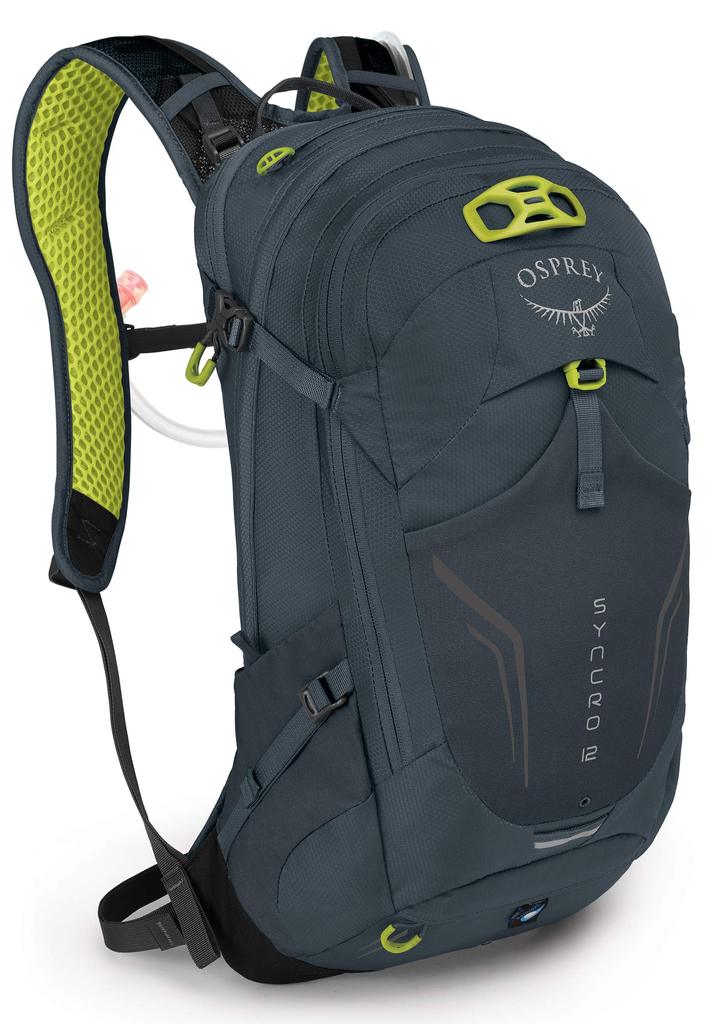
Travel backpacks should be easy to carry through airports, train stations, and city streets. Consider luggage pass-through sleeves, secure zip closures, water-resistant fabrics, and compartments that help separate documents, electronics, and clothing. A lightweight frame is especially valuable when you need to stay within airline carry-on limits.
For Outdoor Day Trips
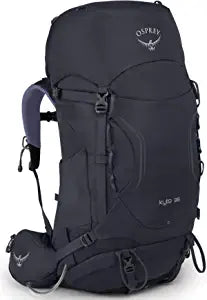
If you need a backpack for hiking, sightseeing, or nature walks, choose one with breathable back panels, ergonomic straps, and room for a water bottle, snacks, and extra layers. Exterior attachment points and weather-friendly materials can also be useful.
For Everyday Errands
For general daily use, keep the focus on simplicity and versatility. A compact, stylish backpack with a balanced number of compartments can transition easily from shopping trips to coffee meetings to casual outings.
Step 2: Choose the Right Size
Backpack size affects both comfort and usability. An oversized backpack may encourage overpacking, while a bag that is too small may not hold your daily essentials.
Small Backpacks
Small backpacks are ideal for minimalists, short outings, and those who carry only the essentials. They typically hold your wallet, phone, charger, notebook, and a few personal items.
Medium Backpacks
Medium-sized backpacks are often the most versatile option. They usually provide enough room for a laptop, documents, lunch, water bottle, and accessories without feeling bulky. For many people, this is the best everyday size.
Large Backpacks
Larger backpacks are suitable for travel, gym gear, or days when you need extra clothing and equipment. Even in larger sizes, the overall structure should remain balanced and easy to carry.
When deciding on size, think about what you carry most often, not just occasionally. Your backpack should serve your regular routine first.
Step 3: Prioritize Comfort Features
Comfort is one of the most important factors in any backpack purchase. A visually appealing design will not matter much if the bag becomes uncomfortable after twenty minutes.
Padded Shoulder Straps
Straps should feel supportive without digging into your shoulders. Wider straps often distribute weight more effectively, especially if you carry electronics or books.
Breathable Back Panel
A ventilated or mesh-padded back panel can improve airflow and comfort, particularly during warm weather or active commutes.
Balanced Weight Distribution
A good backpack design keeps weight close to your back and spreads it evenly. This helps the bag feel lighter and more stable during movement.
Adjustability
Look for adjustable straps so you can customize the fit. Some larger backpacks also include chest straps or waist support for extra stability.
Step 4: Evaluate Materials and Durability
Materials influence appearance, performance, maintenance, and longevity. For a practical purchase, choose a fabric that aligns with how and where you will use the bag.
Nylon
Nylon is a common choice because it is light, durable, and often water-resistant. It works well for commuters and travelers who want reliable performance.
Polyester
Polyester is another popular option. It is generally durable, budget-friendly, and available in many finishes and colors. It can be a smart choice for everyday casual use.
Canvas
Canvas offers a timeless, structured appearance and often appeals to those who prefer a more lifestyle-oriented look. It may be slightly heavier than synthetic materials, but it can still be a great option depending on the design.
Water-Resistant Coatings
If you commute in unpredictable weather or travel frequently, consider water-resistant fabrics or coated zippers. These features help protect electronics, documents, and other essentials from light rain and spills.
Also inspect stitching, zipper quality, handle reinforcement, and seam construction. Lightweight should never mean poorly made.
Step 5: Look for Smart Organization
Organization can transform a backpack from a basic carry item into a high-performing everyday tool. The best layout depends on your habits, but several features are consistently useful.
- Laptop sleeve: Helps protect devices and keeps them separate from other items.
- Internal zip pockets: Useful for valuables, chargers, cords, and smaller accessories.
- Exterior quick-access pocket: Great for keys, tickets, or a phone.
- Side bottle pockets: Convenient for hydration or umbrellas.
- Main compartment structure: Prevents everything from becoming cluttered at the bottom of the bag.
Avoid choosing a backpack with too many compartments if you prefer a simple system. On the other hand, if you carry tech gear, stationery, and daily essentials, more organization may save time and reduce frustration.
Step 6: Match the Backpack to Your Style
Function matters, but appearance still plays an important role. A backpack is part of your daily presentation, especially if you carry it to meetings, campuses, shared workspaces, or social events.
Professional Settings
Choose streamlined shapes, neutral colors, and subtle hardware. Black, navy, grey, and beige often work well in office environments.
Casual Settings
For casual wear, you may have more flexibility with colors, textures, and modern details. Soft tones, sporty finishes, and utility-inspired designs can all work well.
Travel Style
Travel-oriented backpacks often benefit from a clean, practical design that works across multiple outfits and environments. A versatile look can transition from airport to hotel to city exploration with ease.
When possible, choose a style that supports both your wardrobe and your routine. A versatile backpack typically delivers the best long-term value.
Step 7: Know Which Features Add Real Value
Modern backpacks often include many extra features. Some are highly useful, while others may add cost without improving your experience.
Features Worth Considering
- Dedicated laptop or tablet protection
- Anti-theft pockets for travel
- Luggage sleeve for airport convenience
- Water-resistant base or fabric
- Easy-clean interior lining
- Expandable compartments for flexible packing
Features to Assess Carefully
- Heavy hardware that increases bag weight
- Too many specialty compartments you may never use
- Rigid designs that limit flexibility
- Overly trendy details that may date quickly
The best way to assess value is to compare features against your actual lifestyle. Choose utility over novelty.
How to Pack a Lightweight Backpack Efficiently
Even the best backpack performs poorly if packed without a system. Efficient packing helps preserve comfort, maintain balance, and make items easier to access.
Place Heavier Items Near the Back
Keep laptops, books, or dense items closest to the back panel. This improves weight distribution and helps the backpack feel more stable.
Use Small Pockets Intentionally
Assign small pockets to essential items you need often, such as earbuds, cards, pens, or sanitizer. This prevents unnecessary searching.
Avoid Overpacking
One of the advantages of lightweight backpacks is convenience. Overfilling them defeats that benefit. Carry what you need, and review unused items regularly.
Protect Electronics Properly
Use padded compartments or sleeves for laptops and tablets. Keep water bottles sealed and separated when possible.
Common Mistakes to Avoid When Buying a Backpack
Many shoppers focus heavily on aesthetics and price while overlooking performance. Avoid these common mistakes when making your selection.
- Ignoring fit: A backpack should sit comfortably on your back and adjust easily.
- Choosing based on trend alone: Stylish designs still need practical function.
- Underestimating capacity needs: Make sure your everyday essentials actually fit.
- Overlooking material quality: Fabric, zippers, and stitching affect long-term value.
- Buying too many compartments: More is not always better if it creates clutter.
- Forgetting weather conditions: Water resistance matters for many routines.
How to Care for Your Backpack
Proper maintenance helps your backpack look better and perform longer. Always check the care label first, but these general tips are useful for most bags.
Clean Regularly
Empty the backpack fully and shake out dust or debris. Wipe interiors and exteriors with a soft cloth. Spot clean stains with mild soap and lukewarm water when appropriate.
Do Not Store It Damp
If your backpack gets wet, let it dry fully before storing it. This helps preserve materials and prevents unwanted odors.
Avoid Overloading
Consistent overpacking can strain seams, zippers, and straps. Staying within a sensible weight range helps extend the life of the bag.
Store in a Clean, Dry Space
When not in use, keep your backpack in a cool, dry place away from direct sunlight for long periods.
How to Choose the Best Lightweight Backpack for Specific Lifestyles
For Students
Students often need room for books, stationery, tech items, and sometimes lunch or gym gear. Look for durability, padded laptop storage, and shoulder comfort. A medium-to-large size usually works best.
For Professionals
Professionals typically benefit from sleek organization, secure compartments, and a refined exterior. Choose a backpack that looks polished while supporting daily essentials like a laptop, charger, notebook, and personal items.
For Frequent Travelers
Frequent travelers should prioritize weight, security, weather resistance, and efficient compartment design. Quick-access pockets and carry-on compatibility can make every journey smoother.
For Parents on the Go
Parents may appreciate backpacks with wide openings, wipeable interiors, and multiple compartments for snacks, wipes, bottles, and personal necessities. Easy access matters here more than complex structure.
What to Ask Before You Buy
Before making your final purchase, ask yourself a few practical questions:
- What do I carry every day?
- Do I need a laptop compartment?
- Will I use this bag more for work, travel, or casual outings?
- Do I prefer minimal organization or multiple pockets?
- Is weather resistance important for my location?
- Does this backpack suit my personal style and wardrobe?
These questions help narrow your options and reduce the chance of buying a backpack that looks good online but does not support your routine.
Final Thoughts: Invest in Practical Style and Everyday Ease
The right backpack should make your life easier, not more complicated. By focusing on purpose, size, comfort, materials, organization, and design, you can choose a bag that works hard every day while still looking polished. Well-designed lightweight backpacks offer an excellent balance of mobility, efficiency, and style, making them a smart choice for modern routines.
If you are ready to upgrade your everyday carry, start by identifying what matters most to you and compare features with intention. A thoughtful purchase today can improve your commute, simplify your packing, and support a more organized lifestyle tomorrow.
Explore our collection today to find lightweight backpack options designed for travel, work, school, and everyday versatility. Choose quality, choose comfort, and discover a backpack that fits the way you move.
Sample Block Quote
Praesent vestibulum congue tellus at fringilla. Curabitur vitae semper sem, eu convallis est. Cras felis nunc commodo loremous convallis vitae interdum non nisl. Maecenas ac est sit amet augue pharetra convallis nec danos.
Sample Paragraph Text
Praesent vestibulum congue tellus at fringilla. Curabitur vitae semper sem, eu convallis est. Cras felis nunc commodo eu convallis vitae interdum non nisl. Maecenas ac est sit amet augue pharetra convallis nec danos dui.
Cras suscipit quam et turpis eleifend vitae malesuada magna congue. Damus id ullamcorper neque. Sed vitae mi a mi pretium aliquet ac sed elitos. Pellentesque nulla eros accumsan quis justo at tincidunt lobortis denimes loremous. Suspendisse vestibulum lectus in lectus volutpat, ut dapibus purus pulvinar. Vestibulum sit amet auctor ipsum.
Praesent vestibulum congue tellus at fringilla. Curabitur vitae semper sem, eu convallis est. Cras felis nunc commodo eu convallis vitae interdum non nisl. Maecenas ac est sit amet augue pharetra convallis nec danos dui.
Cras suscipit quam et turpis eleifend vitae malesuada magna congue. Damus id ullamcorper neque. Sed vitae mi a mi pretium aliquet ac sed elitos. Pellentesque nulla eros accumsan quis justo at tincidunt lobortis denimes loremous. Suspendisse vestibulum lectus in lectus volutpat, ut dapibus purus pulvinar. Vestibulum sit amet auctor ipsum.
