


How to Choose Toddler Backpacks: Size, Fit & Features
Quick Answer: Choose a toddler backpack by torso fit and required items, not by age label alone. The bag should sit between the shoulders and waist, allow free arm movement and hold only the preschool essentials the child actually carries. Test the real folder, lunch box, bottle and spare clothing before removing tags.
Toddler backpacks are smaller than ordinary school bags, but “small” is not a complete fit standard. Children of the same age can have different torso lengths, and daycare requirements vary. A character design can encourage independence, yet comfort, zipper access and safe proportions must come first.
As an Amazon Associate, we may earn from qualifying purchases.
Compare toddler backpacks on Amazon
Measure the Child’s Torso
Measure from the prominent bump at the base of the neck to the top of the hips while the child stands naturally. Compare that distance with the backpack’s back-panel height. A bag hanging below the hips can swing and encourage overpacking; one that is too short may not hold the required folder.
Test Shoulder Width
The straps should rest on the shoulders instead of pulling toward the neck or sliding toward the arms. Adjust both sides evenly over the clothing normally worn to preschool. Thick winter layers can change the fit, so repeat the test when seasons change.
Preschool Folder Fit
Many attractive toddler bags are designed for snacks and toys, not a standard school folder. Ask the teacher which folder size is required and test it through the actual zipper opening. A folder that fits only when bent means the bag is too small for the school routine.
Lunch and Bottle Storage
A lunch box can consume most of a compact main compartment. Decide whether lunch travels inside or separately. An external bottle pocket reduces spill risk near papers, but it must grip the child’s real bottle securely when the bag is tilted.
Spare Clothing and Toileting Items
Daycare may require underwear, socks, pants, a shirt or diapers. Pack these in a labeled pouch so the child can reach other items without emptying everything. Bulky spare clothing can justify a slightly larger preschool bag, but unused space should not invite unnecessary weight.
Choose Easy Zippers
Large zipper pulls are easier for small hands than tiny metal tabs. Let the child open the empty bag, retrieve an item and close it without adult help. Decorative charms should not be so long that they snag on playground equipment or become detached.
Padding and Structure
Light padding can prevent rigid items from pressing into the child’s back, but thick structure adds weight. For a preschool load, proper size and balanced packing matter more than technical hiking suspension. Keep the heaviest flat item nearest the back panel.
Chest Straps
A sternum strap can keep shoulder straps from slipping, particularly on narrow shoulders. It should sit comfortably across the upper chest and release easily for an adult. It is a fit aid, not permission to carry a heavier load.
Character and 3D Designs
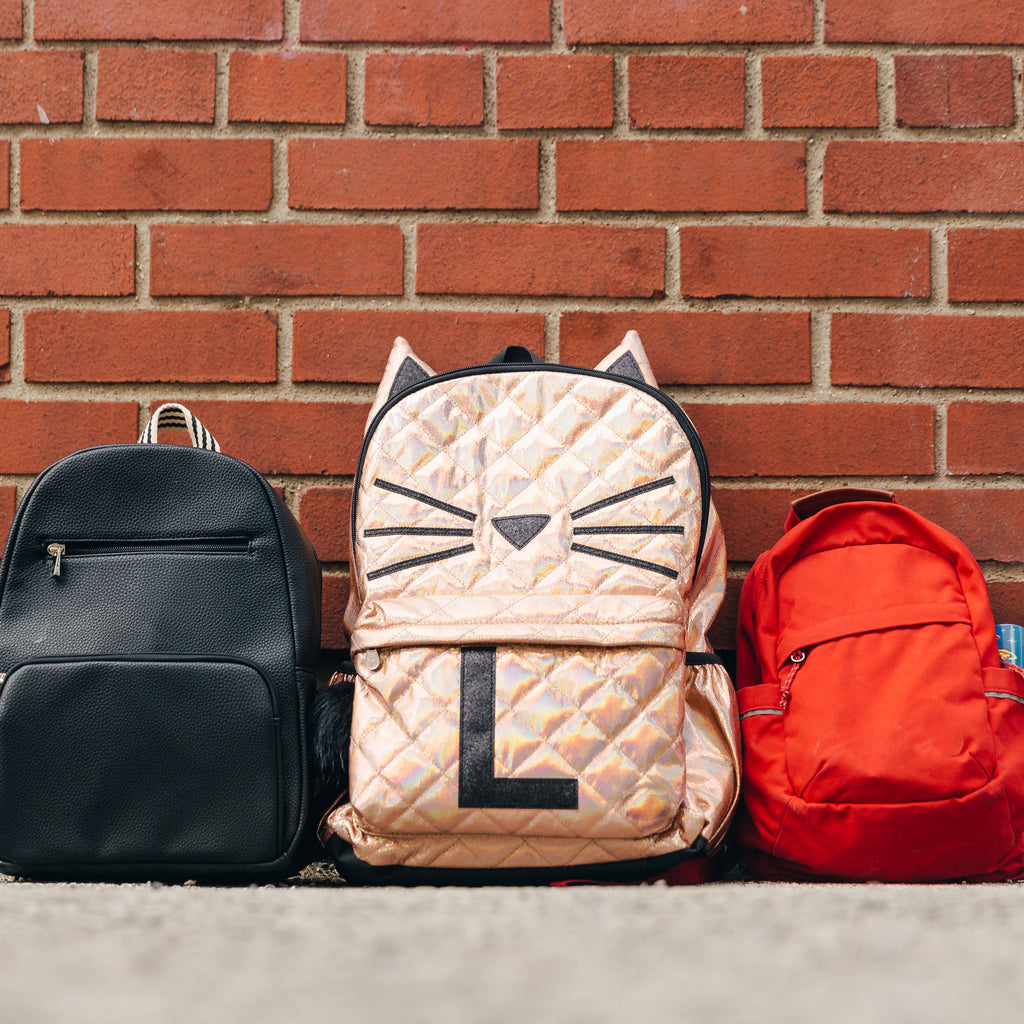
Ears, tails, plush faces and sequins add personality but can reduce locker fit and complicate cleaning. Inspect how decorations are attached and whether they block the zipper. A printed design is usually the easiest option for daily preschool use.
Safety Details
Avoid long loose cords and inspect small detachable parts when shopping for younger children. Follow the manufacturer’s stated age guidance. Add identification discreetly inside the bag instead of displaying the child’s full name publicly.
Practice the Morning Routine
Load the exact preschool items and ask the child to put on the backpack, walk, turn, sit and remove it. Watch for straps sliding, the bottom hitting the legs or the bag pulling backward. A five-minute home test reveals more than an age range in a title.
Cleaning a Toddler Backpack
Follow the sewn-in care label. Empty crumbs, spot-test mild soap and wipe with a soft damp cloth. Air-dry every compartment completely. Do not assume a plush, insulated or structured backpack can be machine washed.
When to Size Up
Size up when the required folder, lunch and spare clothing no longer fit without strain—not merely because the child has a birthday. Recheck torso fit after a growth spurt. A former school bag can remain useful for toys or short outings.
Compare Related Sizes
Browse toddler backpacks first, then compare kids backpacks and mini backpacks. These categories can overlap visually, but their openings, strap geometry and intended loads are different.
Toddler Backpack FAQ
What size backpack should a toddler use?
Use the child’s torso and required items as the guide. The back panel should not hang well below the waist, and the school folder should enter without bending.
Can a toddler backpack fit a folder?
Some can, but many compact character bags cannot fit a standard folder. Test the exact folder and zipper opening.
Does a toddler need a chest strap?
Not always. It can help keep straps positioned on narrow shoulders, provided it fits correctly and an adult can release it easily.
How heavy should the backpack be?
Keep the load light and follow guidance from the child’s healthcare provider or school. Remove anything not required that day.
Where can I compare toddler backpacks?
Start with the curated toddler backpack collection and verify exact dimensions on the product listing.
Daycare Backpack Packing Plan
Use separate labeled pouches for clean clothes, soiled items and personal-care supplies. This lets staff find what they need without unloading the whole bag. Place the folder flat against the back panel, lunch in the center and lighter clothing toward the front. Keep medication with the adult according to daycare policy rather than placing it where a child can reach it.
Fit Problems to Watch For
Straps that repeatedly slide off may be too wide or too smooth for the child’s shoulders. A bag that bumps behind the knees is too long, while a top edge pressing into the neck may indicate the straps are too short or the panel is too tall. Red marks, complaints or leaning backward are signs to remove weight and reassess the size.
Cubby and Locker Compatibility
Ask for the cubby dimensions when possible. Oversized plush decorations and rigid wings can prevent a bag from sitting flat even when its stated measurements appear acceptable. A flexible handle helps adults hang the bag, but it should be securely stitched because it often carries the full load during classroom transitions.
Rain and Spill Protection
Water-resistant wording does not mean a toddler backpack is waterproof. Zippers and seams can admit rain, and an internal bottle can leak. Pack spare clothes in a sealed pouch and keep papers in a folder. After a spill, empty the bag, blot moisture and let every layer dry before repacking.
Teaching Backpack Independence
Use the same pocket for each category so the child learns the routine: bottle outside, folder against the back and comfort item in the front pocket. Practice opening buckles and zippers without rushing. Independence is useful, but adults should still inspect the load and fasteners every day.
When a Mini Backpack Is the Wrong Substitute
Mini backpacks can resemble toddler bags, but fashion minis may use longer straps, smaller openings or adult-oriented hardware. A toddler-specific backpack should fit the child’s torso and school requirements. Compare exact dimensions rather than assuming any compact backpack is suitable for preschool.
Final Toddler Backpack Test
Pack the bag on an ordinary evening using the next day’s real requirements. Ask the child to carry it from the bedroom to the door, place it down, open the correct pocket and remove the folder or comfort item. Observe the process without correcting every movement. Difficulty reaching a zipper, repeated strap slipping or the need to drag the bag identifies a design problem that product dimensions alone cannot show.
Repeat the test with a coat if cold-weather layers are common. Confirm that the bag still sits above the waist and that the chest strap, when present, does not press against the neck. After the first school week, empty accumulated papers and reassess the load. The right toddler backpack should make the routine easier, not become a container for everything the child might possibly want.
Final Verdict
The best toddler backpack is proportionate, easy for the child to operate and large enough for the actual preschool list without wasted bulk. Measure the torso, test the folder and lunch, inspect decorative parts and practice the routine at home. Choose the character only after the bag passes those practical checks.
Sample Block Quote
Praesent vestibulum congue tellus at fringilla. Curabitur vitae semper sem, eu convallis est. Cras felis nunc commodo loremous convallis vitae interdum non nisl. Maecenas ac est sit amet augue pharetra convallis nec danos.
Sample Paragraph Text
Praesent vestibulum congue tellus at fringilla. Curabitur vitae semper sem, eu convallis est. Cras felis nunc commodo eu convallis vitae interdum non nisl. Maecenas ac est sit amet augue pharetra convallis nec danos dui.
Cras suscipit quam et turpis eleifend vitae malesuada magna congue. Damus id ullamcorper neque. Sed vitae mi a mi pretium aliquet ac sed elitos. Pellentesque nulla eros accumsan quis justo at tincidunt lobortis denimes loremous. Suspendisse vestibulum lectus in lectus volutpat, ut dapibus purus pulvinar. Vestibulum sit amet auctor ipsum.
Praesent vestibulum congue tellus at fringilla. Curabitur vitae semper sem, eu convallis est. Cras felis nunc commodo eu convallis vitae interdum non nisl. Maecenas ac est sit amet augue pharetra convallis nec danos dui.
Cras suscipit quam et turpis eleifend vitae malesuada magna congue. Damus id ullamcorper neque. Sed vitae mi a mi pretium aliquet ac sed elitos. Pellentesque nulla eros accumsan quis justo at tincidunt lobortis denimes loremous. Suspendisse vestibulum lectus in lectus volutpat, ut dapibus purus pulvinar. Vestibulum sit amet auctor ipsum.
