


Kids Hiking Backpacks: Size, Fit and Day-Hike Guide
A kids hiking backpack should help a child participate in the outing without turning the walk into a load-carrying contest. Capacity matters, but torso fit, packed weight and access to water matter more than buying the largest number of liters.
Quick Answer
For most child day hikes, choose the smallest hiking backpack that fits the child's torso and carries personal essentials comfortably. Look for two adjustable shoulder straps, a stable back panel, a correctly positioned chest strap, easy water access and a light empty weight. Age-based liter ranges are only starting points; test the actual child with the actual day-hike load before keeping the pack.
As an Amazon Associate, we may earn from qualifying purchases.
Compare kids backpacks on Amazon
What Is a Kids Hiking Backpack?
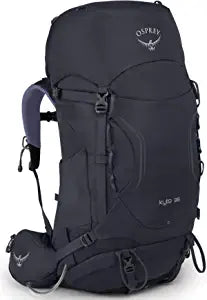
A kids hiking backpack is proportioned for a smaller torso and designed to stay stable during walking. Compared with a typical school bookbag, it may have a narrower profile, chest strap, ventilated back panel, hydration compatibility, trail-oriented pockets and compression straps. Not every child needs all of those features.
Some products labeled kids hiking backpacks are small daypacks for snacks, water and a layer. Others are youth backpacking packs with frames and adjustable torso systems for overnight gear. Those are different categories. A family day hike does not require a multi-day pack, and a school backpack should not be treated as an overnight carrier simply because it is large.
Day Hiking vs Youth Backpacking Packs
| Feature | Kids day-hiking pack | Youth backpacking pack |
|---|---|---|
| Typical purpose | Short walks and day hikes | Overnight or multi-day trips |
| Load | Water, snack, layer and small essentials | Personal camping gear and more supplies |
| Construction | Light, simple and close fitting | More structure and an adjustable suspension |
| Key risk | Buying too much capacity | Poor torso setup or excessive weight |
| Adult role | Carries shared safety equipment | Plans and supervises every load |
What Size Hiking Backpack Does a Child Need?
There is no universal liter size by age. Children of the same age vary in height, torso length, strength and hiking experience. A small pack around 5 to 10 liters may suit a young child carrying only water, a snack and a layer. Many school-age children can use a daypack in roughly the 10 to 18 liter range. Older or taller children may use more capacity when the route and load justify it.
These are planning ranges, not prescriptions. Measure from the shoulder area to the top of the hips and compare that length with the manufacturer's fit information. The shoulder straps should wrap comfortably without floating above the shoulders, and the bottom should not hang far below the waist.
Our complete kids backpack guide explains general sizing. For trail shopping, compare verified models in the Hiking Backpacks collection and read their exact torso specifications.
How Should a Kids Hiking Backpack Fit?
Load the pack before judging fit. Place soft bulk in the outer area and heavier items close to the back. Tighten both shoulder straps evenly until the pack stays close without pinching. Position the chest strap across the upper chest where it stabilizes the shoulder straps without pressing on the neck.
If the model has a hip belt, it should wrap the hip area rather than the stomach. Small daypacks sometimes use only a simple waist strap for stability; it may not transfer meaningful weight. Do not pay for a complex suspension unless it adjusts to the child's body and serves the actual load.
Ask the child to walk, turn, bend and step up while wearing the pack. Watch for swaying, shoulder gaps, strap rubbing or a backward lean. A child who constantly holds the shoulder straps or asks an adult to carry the bag is giving useful fit or load feedback.

How Much Weight Should a Child Carry Hiking?
Keep the load as light as practical. The American Academy of Pediatrics advises that a child's loaded backpack should not exceed 15 percent of body weight for general backpack safety. Hiking adds uneven ground, longer wear time, weather and fatigue, so a much lighter load may be appropriate for the route and child.
Adults should carry shared navigation tools, first aid, emergency supplies and most group equipment. A young child can carry water, a snack and perhaps a light layer without being assigned essential gear. Increase responsibility gradually based on comfort and experience, not only age.
If the child leans forward, becomes unsteady, reports pain, develops numbness or cannot maintain normal movement, stop and adjust or remove weight. The American Academy of Pediatrics backpack guidance is a useful safety reference.
Browse child-size backpack options on Amazon
What Should a Child Carry on a Day Hike?
The exact list depends on weather, distance, terrain and adult planning. A child's personal pack may contain a leak-resistant water bottle or reservoir, a compact snack, a lightweight layer and sun or rain protection. An identification card and emergency contact information can stay privately inside.
Avoid filling spare capacity with toys or duplicate equipment. If a comfort item improves the experience, choose a small lightweight one. Adults should inventory the child's bag before departure and again during breaks because wet clothing and refilled water can change the load.
Food needs secure packaging. Crumbs and sticky residue attract insects and make cleaning harder. Put damp clothing or trash in a separate lightweight bag. Keep frequently needed items accessible so the child does not have to empty the pack beside the trail.
Water Bottle vs Hydration Reservoir
A bottle is simple to fill, monitor and clean. It works best in a deep side pocket that the child can reach without removing the pack, although many children will still need help. Secure the bottle so it cannot fall on steep or crowded trails.
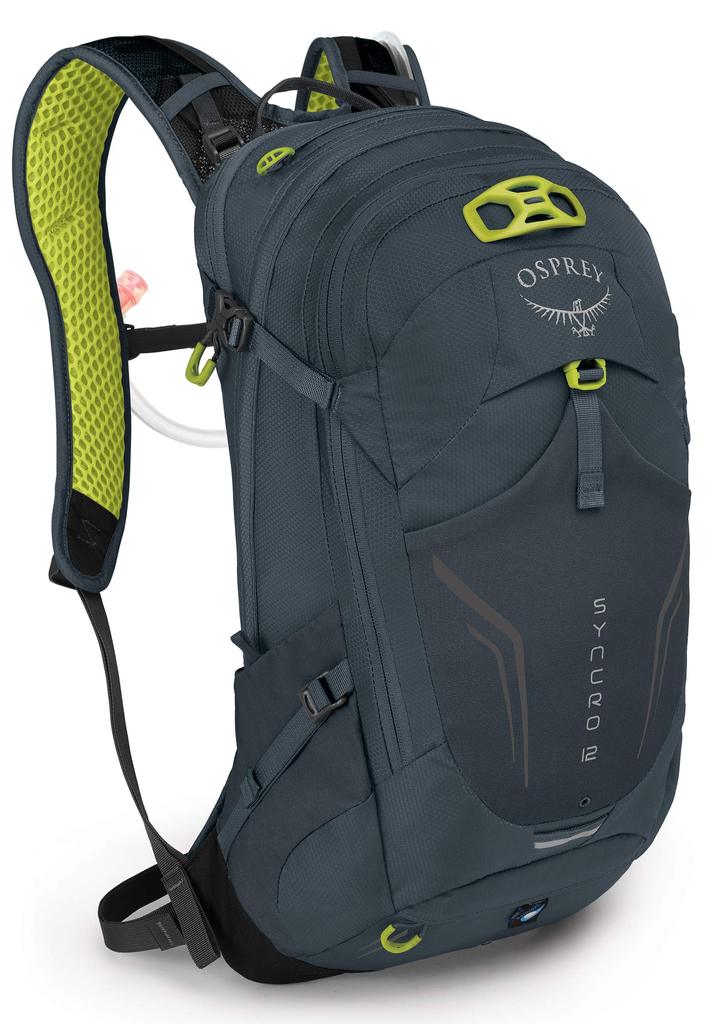
A hydration reservoir allows frequent small drinks through a hose and keeps weight near the back. It also adds cleaning steps, can leak if assembled incorrectly and makes remaining water less visible. Check that the pack has a proper sleeve, hose port and retention clip. Practice at home before relying on it outdoors.
Neither system is universally better. Choose the one the child can use reliably and the adult can inspect. For short walks, a bottle may be simplest; for longer active outings, a well-maintained reservoir may encourage regular drinking.
Compare kids daypacks and hydration-ready styles on Amazon
Chest Straps, Hip Belts and Back Panels
A chest strap keeps shoulder straps from sliding outward and reduces side-to-side movement. The buckle should be child-friendly but secure. Verify that its height adjusts enough to avoid the neck and that the child can release it when instructed.
A padded or ventilated back panel can improve comfort, yet heavy padding adds weight and does not correct poor fit. Look for a surface that protects against hard items inside and does not create pressure ridges. Pack pointed or rigid objects away from the child.
Hip belts are most valuable on packs designed to transfer a meaningful load. On a small daypack, a simple webbing belt mainly limits bouncing. Evaluate the whole carrying system rather than counting straps.
Durability and Weather Resistance
Inspect shoulder anchors, zipper ends, compression-strap attachment points and the bottom. Trail packs may scrape against rocks or branches, while children may drag or drop them during breaks. A reinforced base and abrasion-resistant fabric help, but no material excuses overloading.
Water-resistant fabric can shed brief drizzle. It does not guarantee waterproof seams or zippers. Use a pack cover or internal dry bags when the forecast and gear require them. Keep spare clothing and electronics protected separately.
Reflective accents improve visibility near roads or in dim conditions, but bright colors and reflectivity do not replace supervision. For hunting seasons or shared-use areas, adults should plan visibility according to local conditions and regulations.

Kids Hiking Backpack vs School Backpack
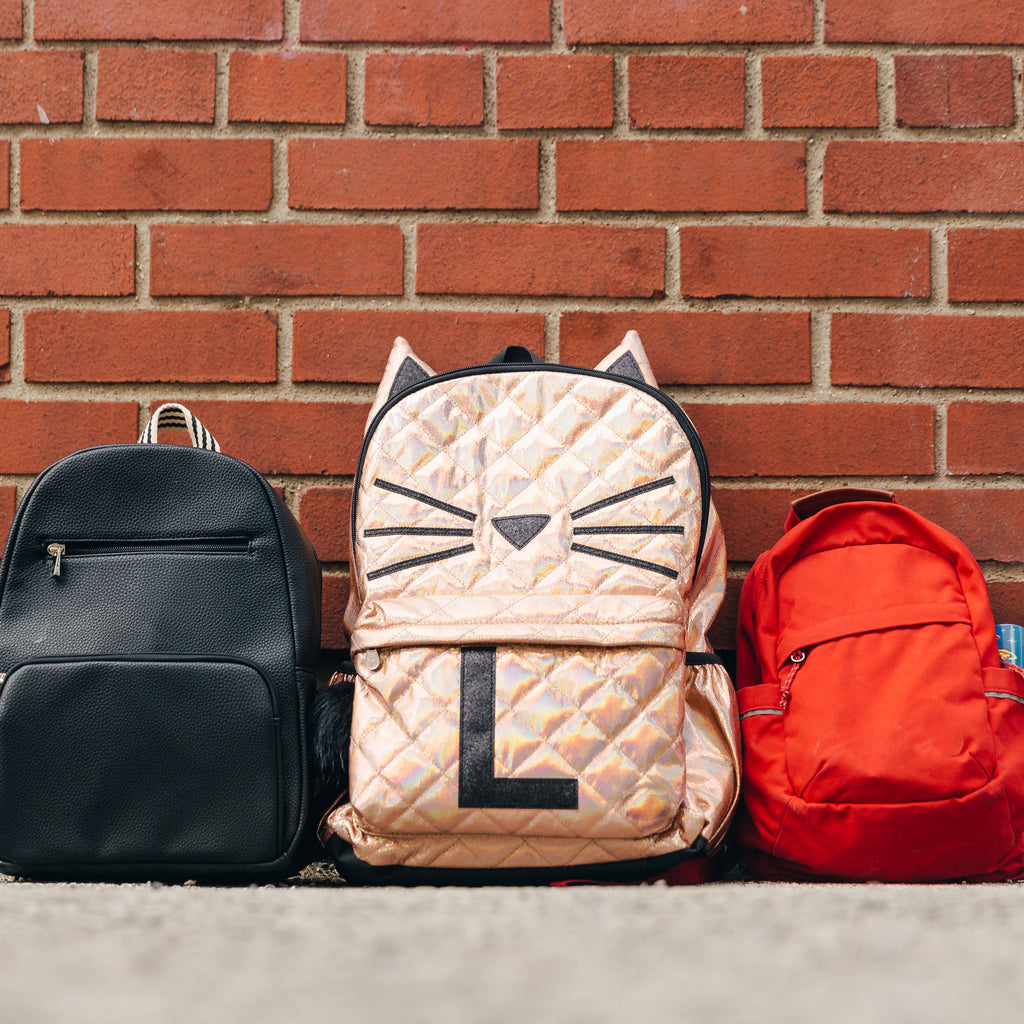
A school backpack is designed around folders, books, lunch and perhaps a device. Its wide rectangular shape may be convenient in class but unstable on a trail. A hiking daypack follows the torso more closely and emphasizes water, layers and movement, but its curved interior may not fit binders.
A single bag can serve school and easy family walks if it fits securely and the load stays light. Regular hiking usually justifies a trail-specific fit. Do not create a compromise that performs poorly every day merely to avoid owning two different types.
How to Adjust the Pack on the Trail
Begin with both shoulder straps loosened slightly, put the pack on, then tighten them evenly from the lower webbing. Fasten and position the chest strap. If there is a functional hip belt, settle it first and then refine the shoulder adjustment according to the manufacturer.
Check again after ten to fifteen minutes. Clothing compresses, water is consumed and contents settle. Watch for red marks, rubbing and leaning. Short breaks are a good time to move dense items closer to the back and remove anything no longer needed.
See kids backpacks for active outings on Amazon
How to Clean a Kids Hiking Backpack
Empty every pocket and remove the reservoir, frame sheet or detachable parts only as directed. Brush off dry mud first. Spot clean using lukewarm water, a soft cloth and mild soap after checking the care label. Rinse soap residue carefully without saturating foam unnecessarily.
Do not machine wash or use a dryer unless the manufacturer explicitly allows it. Heat and agitation can damage coatings, buckles, foam and structure. Air dry fully with pockets open. Clean hydration components separately according to their instructions and never store a damp reservoir sealed inside.
Check current kids backpack choices on Amazon
Common Buying Mistakes
- Buying for age without measuring torso length.
- Choosing adult capacity for a small child.
- Counting features instead of testing fit.
- Assigning the child essential group safety gear.
- Assuming water-resistant means waterproof.
- Ignoring empty pack weight.
- Using a school bookbag for demanding terrain without a stability test.
- Failing to practice with a reservoir before the hike.
How to Compare Online Listings
Confirm whether the listing is a daypack, hydration pack, child carrier or youth backpacking pack. Search results may mix all four. Read capacity, pack weight, dimensions, recommended torso range and included components. A product photo alone cannot establish fit.
Check whether a hydration reservoir is included or merely compatible. Verify the selected size and color, seller, return terms and care instructions. Reviews can help identify recurring buckle or zipper problems, but make sure they describe the same variant.
Compare current kids backpack listings on Amazon
Kids Hiking Backpack Checklist
- Measure torso length and compare the maker's range.
- Use the smallest capacity that holds the planned personal load.
- Weigh the pack empty and fully loaded.
- Test both straps, chest strap and any hip belt.
- Keep dense items close to the back.
- Confirm easy, reliable water access.
- Protect weather-sensitive contents separately.
- Inspect seams, zippers, buckles and bottom fabric.
- Practice packing and walking before the trip.
Frequently Asked Questions
What size hiking backpack should a child use?
Use torso fit and the real load rather than age alone. Small children may need about 5 to 10 liters, while many school-age day hikers use roughly 10 to 18 liters.
How much can a child carry hiking?
Keep it well within the child's comfort and ability. The AAP's general ceiling is 15 percent of body weight, but trail conditions may call for much less.
Do kids need a special hiking backpack?
Not for every short walk. A well-fitting small backpack may work, but frequent hiking benefits from trail-oriented stability and water access.
Should a kids hiking backpack have a chest strap?
It is useful for stabilizing shoulder straps during movement, provided it adjusts to the correct height and does not press near the neck.
Are hydration packs good for kids?
They can encourage regular drinking, but require correct fit, assembly and cleaning. Practice before the outing.
Can a school backpack be used for hiking?
Yes for easy light outings when it fits securely. A wide or overloaded school bag may sway and become uncomfortable.
What should kids carry on a hike?
Usually only light personal essentials chosen by the supervising adult, such as water, a snack, a layer and weather protection.
How do you clean a kids hiking backpack?
Follow the label, brush off dry dirt, spot clean gently and air dry. Machine washing should be used only when specifically allowed.
Adding a Hydration Reservoir
When water delivery is the central feature, use our kids hydration backpack guide. It explains youth torso fit, 1.5-liter systems such as Mini M.U.L.E., water weight, cleaning and why adult hydration packs should not be assumed to fit children.
A Current Kids Hiking Backpack Example
Our Patagonia Refugito 18L guide applies the fit principles above to a current compact youth daypack, including official dimensions, weight, materials, care and the difference between school and trail packing.
Final Verdict
The best kids hiking backpack is not the largest or most technical one. It is the lightest appropriately sized pack that stays stable and carries the child's personal essentials comfortably. Measure the torso, test the loaded fit, keep adults responsible for shared safety gear and reassess comfort throughout the hike.
Compare Kids Backpacks, daypacks and dedicated hiking options by the child's actual body and route rather than a broad age label.
Sample Block Quote
Praesent vestibulum congue tellus at fringilla. Curabitur vitae semper sem, eu convallis est. Cras felis nunc commodo loremous convallis vitae interdum non nisl. Maecenas ac est sit amet augue pharetra convallis nec danos.
Sample Paragraph Text
Praesent vestibulum congue tellus at fringilla. Curabitur vitae semper sem, eu convallis est. Cras felis nunc commodo eu convallis vitae interdum non nisl. Maecenas ac est sit amet augue pharetra convallis nec danos dui.
Cras suscipit quam et turpis eleifend vitae malesuada magna congue. Damus id ullamcorper neque. Sed vitae mi a mi pretium aliquet ac sed elitos. Pellentesque nulla eros accumsan quis justo at tincidunt lobortis denimes loremous. Suspendisse vestibulum lectus in lectus volutpat, ut dapibus purus pulvinar. Vestibulum sit amet auctor ipsum.
Praesent vestibulum congue tellus at fringilla. Curabitur vitae semper sem, eu convallis est. Cras felis nunc commodo eu convallis vitae interdum non nisl. Maecenas ac est sit amet augue pharetra convallis nec danos dui.
Cras suscipit quam et turpis eleifend vitae malesuada magna congue. Damus id ullamcorper neque. Sed vitae mi a mi pretium aliquet ac sed elitos. Pellentesque nulla eros accumsan quis justo at tincidunt lobortis denimes loremous. Suspendisse vestibulum lectus in lectus volutpat, ut dapibus purus pulvinar. Vestibulum sit amet auctor ipsum.
