



Pre-K vs Kindergarten Backpacks: Size and Fit Guide
Quick Answer: A Pre-K backpack is generally smaller and simpler than a kindergarten backpack, but grade labels do not determine fit. Choose from the child’s torso, school list and largest rigid item.
Compare Pre-K backpacks with the broader kids backpack collection.
As an Amazon Associate, we may earn from qualifying purchases.
Compare current kids backpacks on Amazon
Comparing Pre-K Backpack vs. Kids Backpacks: A Comprehensive Guide for Parents
Selecting the right backpack for your child is an essential investment, shaping not just how your child carries their daily essentials, but also impacting their comfort, health, and personal style as they transition through formative years. The world of backpacks is vast, but two categories dominate the early education conversation: the Pre-K Backpack and Kids Backpacks. This in-depth comparison aims to clarify the differences, similarities, and decision-making factors for parents navigating these options.
Include Skip Hop backpacks for toddlers and kids in your comparison, then browse additional sizes and brands in the main backpacks collection.
Introduction: Why Backpack Choice Matters for Young Children
Backpacks may seem like a small detail in the grand scheme of preparing a child for school, but they hold great importance. Suitable backpacks can support healthy posture, nurture organizational habits, and give children a sense of independence. Selecting between a Pre-K Backpack and broader Kids Backpacks can be confusing, with differences in design, ergonomic features, and intended usage. This comprehensive comparison will help you understand which option aligns best with your child's age, developmental needs, and daily routine.
Understanding the Basics: What Defines Each Backpack Type?
What is a Pre-K Backpack?
A Pre-K Backpack is specifically designed for preschoolers, typically aged three to five years. These backpacks are sized with the youngest students in mind, prioritizing lightweight materials, compact dimensions, and easy-to-use features. The primary use is to carry a change of clothes, snacks, water bottles, and possibly a comfort item such as a plush toy. A Pre-K Backpack must be manageable for small frames, emphasizing safety and simplicity.
What Are Kids Backpacks?
Kids Backpacks, on the other hand, cover a broader age range, spanning from kindergarten through elementary school. These backpacks account for evolving needs—more books, larger lunchboxes, and extra-curricular gear. Kids Backpacks often possess more compartments, increased durability, and design adjustments for growing children. They bridge the gap between starter backpacks and those designed for tweens or teens.
Design and Size: Matching Backpack to Child's Body and Needs
Size and Fit: Why Proportion Matters
Backpack size is not one-size-fits-all. The ergonomic fit dramatically impacts your child's comfort, energy levels, and even musculoskeletal development. A Pre-K Backpack generally features:
- Height: 10 to 13 inches
- Width: 8 to 10 inches
- Depth: 3 to 5 inches
- Capacity: 6 to 10 liters
This compact size is ideal for little shoulders and ensures children do not carry excessive weight. Straps are shorter, well-padded, and the overall design is less cumbersome.
Kids Backpacks are larger, with approximate dimensions:
- Height: 15 to 18 inches
- Width: 12 to 14 inches
- Depth: 5 to 8 inches
- Capacity: 15 to 25 liters
These backpacks are made for children with expanding needs—binder storage, multiple books, and extracurricular essentials.
Weight Recommendations
A child’s backpack should never exceed 10-15% of their body weight. Most Pre-K Backpack models ensure this by design, while parents choosing among Kids Backpacks should be extra mindful about weight distribution and compartmentalization, since larger bags can inadvertently encourage overpacking.
Material and Durability: What’s Built to Last?
Material Choices
Both backpack types are commonly made from robust materials such as nylon, polyester, or canvas. However, Kids Backpacks generally opt for heavier fabrics, reinforced bottoms, and water-resistant coatings. Conversely, a Pre-K Backpack might use lighter versions of the same fabrics and softer linings to reduce overall weight.
Stitching and Zippers
Durable stitching is paramount for longevity. Double-stitched seams are a highlight of quality Kids Backpacks. Zipper quality also varies; Kids Backpacks often have larger, sturdier pulls, recognizing the increased frequency of use and heavier contents. For Pre-K Backpack models, zippers are designed for easy operation by little hands, with larger tabs and fewer fastenings.
Washability
Preschoolers are prone to messes. Machine-washable fabrics or easy-wipe coatings are much more common in Pre-K Backpack lines, reflecting typical preschool usage involving art supplies, spilled snacks, or the occasional muddy playground adventure.
Design Features: Functionality Meets Fun
Pocket Configuration
- Pre-K Backpack: Usually features one main compartment and one or two small external pockets for snacks or a water bottle. Fewer pockets make locating items easy and prevent confusion for young children.
- Kids Backpacks: Multiple compartments—including a main section for books, middle sections for folders or lunchboxes, and several side or front pockets. Many brands add internal organization panels, mesh drink holders, or even padded areas for tablets.
Closure Mechanisms
Simple zippers are favored in Pre-K Backpack models, prioritizing accessibility. Kids Backpacks might introduce magnetic clasps, clips, or adjustable straps, aligning with older kids’ dexterity and needs for extra security.
Carrying Features and Comfort
- Pre-K Backpack: Wide, padded shoulder straps and a gentle chest strap. Lightweight back padding ensures comfort without overheating.
- Kids Backpacks: Thicker padding, adjustable straps, reinforced grab handles, and sometimes a sternerum or waist belt for improved weight distribution on heavier loads.
Reflective Details and Safety
Safety features like reflective patches or piping are more prevalent in Kids Backpacks, as older children may commute farther by foot or on school buses. In contrast, Pre-K Backpack safety features are designed for visibility during supervised drop-offs.
Style, Personalization, and Aesthetics
Popular Themes and Colors
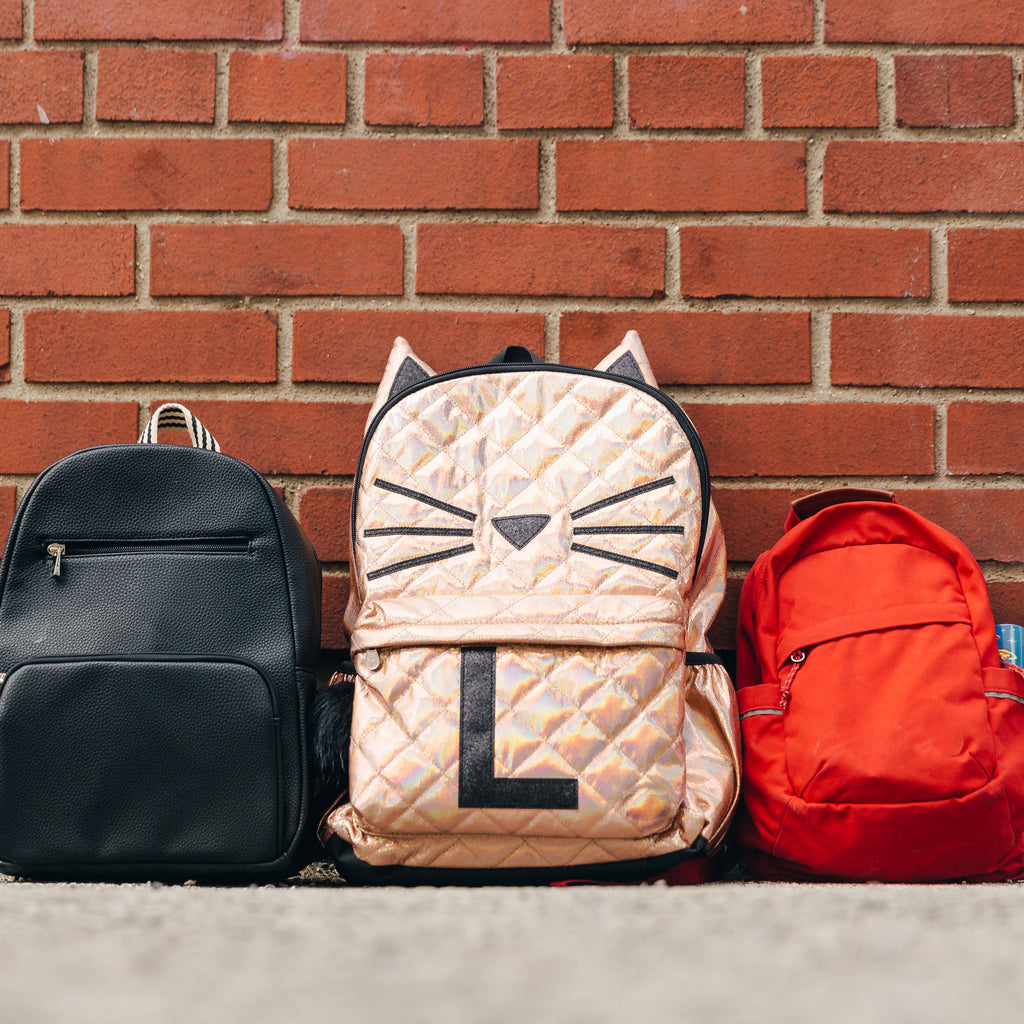
A crucial aspect of backpack selection is style. Pre-K Backpack options often embrace bright colors, cartoon characters, animals, or playful patterns that resonate with preschool imaginations. Personalization options such as name tags or custom embroidery are popular gifts for back to school.
Kids Backpacks offer greater variety in style, often tapping into current pop culture trends, sports, and more mature patterns suited for children’s developing tastes. Patterns and color palettes tend to be more diverse as manufacturers cater to a wider age range.
Personalization and Monogramming
From monogrammed initials to favorite characters, personalization makes backpacks easy to identify and reduces the risk of mixed-up bags. Both Pre-K Backpack and Kids Backpacks are commonly offered with personalization options, often as a premium add-on.
Functionality in Daily Life: Which Bag Excels Where?
Ease of Use: Independent Carrying
A Pre-K Backpack emphasizes easy independence: zippers are manageable by tiny hands, pockets are intuitive, and weight is minimal. These features make it easy for preschoolers to store and retrieve items themselves, fostering confidence and a sense of responsibility.
Conversely, Kids Backpacks anticipate greater independence and a higher item volume. Older children are expected to manage homework folders, lunchboxes, and water bottles, making multiple compartments and advanced organizational features desirable.
Adaptability and Longevity
Kids Backpacks score higher on versatility. Roomier designs and interior dividers accommodate changing school demands as children age. In contrast, a Pre-K Backpack may be quickly outgrown as storage needs expand.
At-Home, Travel, and School
- Pre-K Backpack: Ideal for day trips, preschool, daycare, sleepovers, or as an adorable travel companion for a favorite toy and snacks.
- Kids Backpacks: Better suited for all-day school use, library visits, extracurricular activities, and sleep-away camps where capacity and compartmentalization are needed.
Cost Comparison: Affordability Versus Investment
The price range for backpacks varies by brand, material, and added features. Generally, a Pre-K Backpack costs less due to its simpler design and reduced material usage—typically between $15 and $40.
Kids Backpacks are an investment, ranging from $25 to $100 depending on intended durability, added compartments, safety features, and design collaborations (e.g., licensed characters or specialized ergonomics).
Parents should weigh not just initial costs but also the expected lifespan of the purchase. If a backpack will only be used for one school year, simpler designs may be prudent; if expecting multiple years of use or hand-me-downs, spending more for durability may save money in the long run.
Compare school backpack options
Health and Wellness Considerations
Encouraging Healthy Habits
The right backpack contributes positively to a child’s sense of comfort and wellness. A well-fitting Pre-K Backpack or Kids Backpack supports wellbeing by minimizing strain, encouraging upright posture, and cultivating organization from an early age.
Features That Promote Wellness
- Padded Straps: Even weight distribution helps maintain balance and encourages healthy habits.
- Adjustable Straps: Allow for customization, helping the backpack grow with the child and promotes wellness through ergonomic adaptation.
- Reflective Strips: Increase safety during commute, contributing to a balanced lifestyle by reducing the risk during early or late school runs.
Practical Tips for Ergonomic Use
- Encourage your child to wear both straps to avoid one-sided strain.
- Position the bottom of the backpack at or above your child’s waist for optimal alignment.
- Check the packed weight regularly and remove unnecessary items to help maintain balance.
Check current backpack availability
Brands and Innovation: What to Look For
Noteworthy Brands
Numerous brands lead the way in each category:
- Pre-K Backpack: Skip Hop, Stephen Joseph, Pottery Barn Kids, Wildkin, and State Bags.
- Kids Backpacks: JanSport, L.L.Bean, Herschel, Lands’ End, and Nike.
Recent Innovations
Advancements include eco-friendly materials, smart compartments for devices, antimicrobial fabrics, and safety alarms. Some Kids Backpacks even feature USB charging ports or removable lunch kits. For the Pre-K Backpack market, innovations mostly revolve around safety, comfort, and fun interactivity (like built-in name card holders or playful textures).
Browse lightweight early-school backpacks
Making the Right Choice: How to Decide
Assess Your Child's Age and Needs
- Preschool and Daycare: Opt for a Pre-K Backpack—compact, lightweight, and easy to use.
- Kindergarten and Beyond: Transition to Kids Backpacks for greater capacity and durability.
Consider Your Child’s Personality and Preferences
- Choose relatable colors or characters to build excitement around school routines.
- Allow your child to participate in the selection process, fostering responsibility and ownership.
Think About Durability and Growth
- If you want a long-lasting backpack that can be passed down, invest in higher-end Kids Backpacks with reinforced stitching and water-resistant fabrics.
- For short-term needs (1-2 years), a more affordable Pre-K Backpack is practical without sacrificing essential features.
Compare kids backpack sizes and features
Comparison Table: Pre-K Backpack vs. Kids Backpacks
| Feature | Pre-K Backpack | Kids Backpacks |
|---|---|---|
| Target Age Range | 3-5 years (preschool) | 5-12 years (elementary) |
| Size | 10-13" H x 8-10" W | 15-18" H x 12-14" W |
| Capacity | 6-10 liters | 15-25 liters |
| Compartment Design | 1 main, 1-2 small | Multiple, including organizers |
| Weight | Lightweight | Moderate, varies with content |
| Material | Soft, often machine-washable | Durable, rugged, water-resistant |
| Price Range | $15 - $40 | $25 - $100 |
| Best For | Preschool, daycare, travel | Elementary school, activities |
See current preschool backpack choices
Conclusion: Choosing the Ideal Backpack for Your Child’s Needs
The journey from preschool to elementary school is punctuated by growth, curiosity, and new responsibilities. The Pre-K Backpack and Kids Backpacks each serve invaluable roles at different stages. By understanding the distinctions—size, design, features, cost, and intended use—you’ll be better equipped to make a choice that supports wellbeing, helps your child maintain balance, and promotes excitement for daily learning adventures.
Ultimately, the ideal backpack is one that fits your child comfortably, aligns with daily demands, and fosters independence. Make selection a family experience, inviting your child to discover their favorite themes and invest in their own routine.
Are you ready to find the perfect backpack for your little one? Browse our curated collection for both Pre-K Backpack and Kids Backpacks now, and let your child step into a new school year with confidence!


Frequently Asked Questions
What is the difference between preschool and kindergarten backpacks?
Kindergarten may require a folder, lunch and library book; preschool often carries clothing and snacks.
Can a preschooler use a kindergarten backpack?
Yes, when it fits properly and is not overpacked.
Are bigger backpacks better?
No. Extra room encourages unnecessary weight.
How should it fit?
It should stay close to the body and not hang far below the waist.
Dinosaur Backpacks for Pre-K
Families choosing a themed first bag can use our kids dinosaur backpack guide to compare 10–13-inch toddler bags, folder-ready school sizes, lunch sets and rolling options without confusing style with capacity.
Final Verdict
Use a compact Pre-K bag for a simple load and move larger only when school requirements justify it. Fit and contents matter more than the grade label.
Sample Block Quote
Praesent vestibulum congue tellus at fringilla. Curabitur vitae semper sem, eu convallis est. Cras felis nunc commodo loremous convallis vitae interdum non nisl. Maecenas ac est sit amet augue pharetra convallis nec danos.
Sample Paragraph Text
Praesent vestibulum congue tellus at fringilla. Curabitur vitae semper sem, eu convallis est. Cras felis nunc commodo eu convallis vitae interdum non nisl. Maecenas ac est sit amet augue pharetra convallis nec danos dui.
Cras suscipit quam et turpis eleifend vitae malesuada magna congue. Damus id ullamcorper neque. Sed vitae mi a mi pretium aliquet ac sed elitos. Pellentesque nulla eros accumsan quis justo at tincidunt lobortis denimes loremous. Suspendisse vestibulum lectus in lectus volutpat, ut dapibus purus pulvinar. Vestibulum sit amet auctor ipsum.
Praesent vestibulum congue tellus at fringilla. Curabitur vitae semper sem, eu convallis est. Cras felis nunc commodo eu convallis vitae interdum non nisl. Maecenas ac est sit amet augue pharetra convallis nec danos dui.
Cras suscipit quam et turpis eleifend vitae malesuada magna congue. Damus id ullamcorper neque. Sed vitae mi a mi pretium aliquet ac sed elitos. Pellentesque nulla eros accumsan quis justo at tincidunt lobortis denimes loremous. Suspendisse vestibulum lectus in lectus volutpat, ut dapibus purus pulvinar. Vestibulum sit amet auctor ipsum.
