


School Backpack Size Guide by Grade: Elementary to High School
School backpack sizing changes as students grow, but grade level alone is never enough to choose the right bag. Elementary students may need only folders, lunch and a light device. Middle school students often carry larger binders and more technology. High school students may need room for laptops, textbooks, chargers, activities and a longer day away from home. The best backpack size is the smallest one that fits the student’s actual required items while remaining proportional and comfortable when loaded.
Quick Answer
Choose school backpack size by the student’s body size, largest rigid school item, laptop dimensions and daily schedule—not by grade label alone. Elementary students generally need smaller, simpler bags; middle school students often need medium-size backpacks with device storage; high school students may need larger laptop-ready bags. Always test the backpack with the real load before keeping it.
As an Amazon Associate, Backpacks4Less may earn from qualifying purchases.
Compare current school backpack sizes on Amazon.
Why Grade-Level Backpack Sizing Is Only a Starting Point
Students in the same grade can differ dramatically in height, torso length and school requirements. One fifth grader may carry only folders and a tablet, while another carries several binders, library books and lunch. A high school student with a locker may need less space than a middle school student who carries everything between classes.
Use grade level to narrow the range, then measure the student and the supplies.
Elementary School Backpack Size
Elementary school backpacks should be compact enough for a smaller torso but tall and wide enough to fit the school’s standard folders without bending them. Younger students often need lunch, a water bottle, a change of clothes or library books in addition to classroom materials.
See the Best Backpacks for Elementary School guide for age-specific fit and feature advice.
Kindergarten Backpack Size
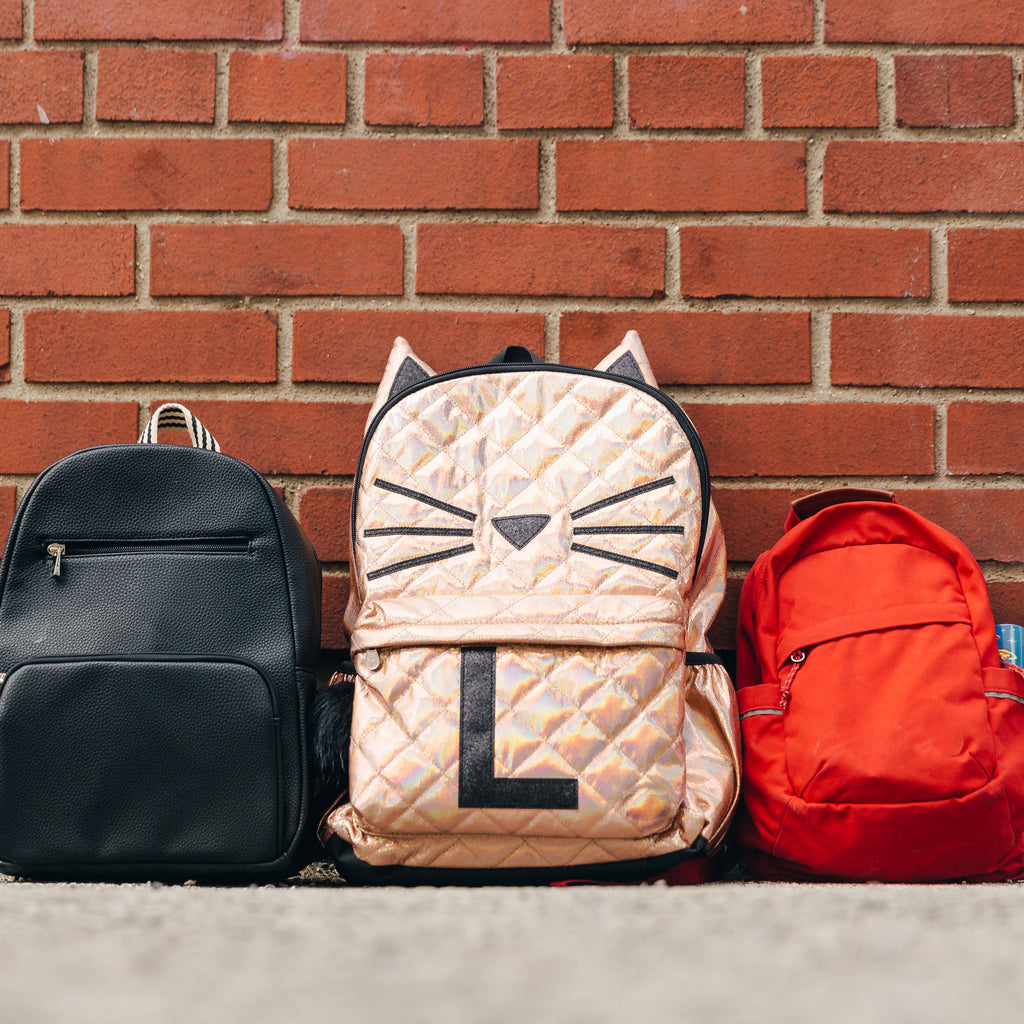
Kindergarten students usually need less academic material than older grades, but schools may still send home full-size folders. Very small preschool novelty backpacks can fail this simple test.
Measure the take-home folder and ask whether lunch goes inside the backpack. The correct kindergarten bag should fit those items without overwhelming the child’s back.
First Grade Backpack Size
First graders often carry folders, beginner reading books, lunch and a water bottle. A compact school backpack with a simple main compartment and front pocket is usually more practical than a complex multi-compartment design.
Second and Third Grade Backpack Size
As homework and reading materials increase, students may need more depth and organization. The bag should still remain proportional, but a slightly larger main compartment can make folders and notebooks easier to manage.
Fourth and Fifth Grade Backpack Size
Upper-elementary students may begin carrying school-issued Chromebooks or tablets, larger binders and more homework. This is often the point where a youth bag and a smaller traditional school backpack overlap.
Device dimensions and actual torso fit should decide the move up in size.
Middle School Backpack Size
Middle school students frequently need a medium-size backpack with more organization. Multiple classes, passing periods and limited locker access can increase the daily load substantially.
The Best Backpacks for Middle School guide covers binder space, laptop fit and organization in more depth.
Sixth Grade Backpack Size
Sixth grade often introduces a major schedule change. Students may start carrying several binders and a Chromebook throughout the day. Choose enough depth for those rigid items without jumping automatically to a large high-school backpack.
Seventh and Eighth Grade Backpack Size
Older middle school students may need additional room for activities, gym clothing and larger devices. At this stage, a traditional laptop backpack can work well if the fit is still proportional.
High School Backpack Size
High school backpacks often sit at the larger end of school bags because students may carry 13- to 17-inch laptops, textbooks, binders, chargers and extracurricular gear. That does not mean every teenager needs a large backpack.
Students with lockers and digital materials may use a moderate backpack comfortably. See the Best Backpacks for High School guide for the full use-case comparison.
Ninth and Tenth Grade Backpack Size
Early high school students should choose around the real course load. If large textbooks still travel daily, stronger structure and more capacity may be necessary. If most materials are digital, laptop protection may matter more than total liters.
Eleventh and Twelfth Grade Backpack Size
Older high school students may want a bag that can transition into college, work or commuting. A clean laptop backpack with moderate capacity can be a better long-term purchase than an oversized school-specific design.
What About College Backpack Size?
College backpacks overlap heavily with high school laptop bags, but commuting and device needs often become more important. Some students carry only a laptop and notebook; others spend all day on campus with food, chargers and multiple course materials.
Browse the College Backpacks collection and the main Backpacks Hub for the next step beyond high school.
How Backpack Liters Work
Backpack capacity is often listed in liters, but the number is not standardized perfectly across brands. Shape, pocket layout, padding and internal dividers all affect usable space. A 25L rectangular school bag can hold binders more efficiently than a rounded 25L outdoor pack.
Use liters as a comparison tool, not as the only sizing rule.
Is 15L Enough for School?
A 15L backpack can work for a younger student or a light daily load, especially when there are no large binders or laptops. It may be too small for students who carry lunch, devices and multiple textbooks.
Is 20L Enough for School?
Twenty liters can be a useful general school size for many students, but actual dimensions matter. A bag that is tall and narrow may handle folders differently from a wide one.
Is 25L Enough for School?
Twenty-five liters is a common medium-size range that can work for older students, laptops and several binders. It may be unnecessarily large for a small elementary student.
Is 30L Too Big for School?
Thirty liters can be appropriate for a high school student with a heavy schedule, sports clothing or a large device. It can also be oversized for a student with a locker and mostly digital materials.
The right question is not “Is 30L too big?” but “Does this specific 30L backpack fit the student and their actual load?”
Measure the Student, Not Just the Backpack
A backpack should remain proportional to the student’s torso. HealthyChildren.org recommends choosing a bag proportional to the child’s height and adjusting it so it rests close to the body. citeturn676289search0
Look at where the top and bottom of the backpack sit when loaded, not just the stated height on the product page.
Measure the Largest School Item
Measure full-size folders, binders and devices. If a rigid item is 12 inches wide, a backpack with a narrow internal opening may not work even if the exterior width looks sufficient.
Internal dimensions and zipper opening shape matter as much as overall capacity.
Laptop Size and Backpack Size
Students carrying technology should measure the device with its case. Screen-size labels such as 13-inch, 15.6-inch or 17-inch are only rough categories. Actual chassis width and thickness vary.
Explore the Laptop Backpacks collection for device-focused designs.
Lunch Box Space
Lunch can add substantial bulk. If the lunch box rides inside the backpack, test whether folders and devices still fit without pressure. If it attaches outside or is carried separately, the student may need less main-compartment volume.
Water Bottle Space
Exterior bottle pockets reduce the need for internal volume and help keep liquids away from paper and electronics. Check the bottle with the actual pocket rather than assuming every elastic pocket fits a large tumbler.
Gym Clothes and Extracurricular Gear
Students with gym, band, art or sports activities may need occasional extra space. If these items are carried only once or twice a week, a separate activity bag may be more efficient than using an oversized backpack every day.
How Heavy Should the Backpack Be?
HealthyChildren.org says backpacks should not weigh more than about 15% of a child’s body weight. It also recommends placing the heaviest items close to the body and using both shoulder straps. citeturn676289search0
Use our School Backpack Weight & Fit Guide for the detailed load discussion.
Why Bigger Can Create a Weight Problem
Extra capacity encourages extra carrying. Old papers, unnecessary books, backup clothing and duplicate supplies accumulate when there is space for them. A correctly sized backpack creates a natural limit.
How to Test Size Before Keeping the Backpack
Load the backpack with the real school items. Adjust both straps. Have the student walk, sit, turn and climb stairs. Check whether the bag swings, sits too low or forces the student to lean forward.
Then remove everything and ask whether all the capacity is actually necessary. The loaded test and the empty-space test together reveal more than the product description.
Signs the Backpack Is Too Small
Folders bend, laptop sleeves feel tight, zippers are strained, lunch must be forced inside, or the student carries loose items by hand because the bag cannot contain the daily load.
Signs the Backpack Is Too Large
The bag hangs far below the waist, extends excessively beyond the shoulders, shifts heavily during walking or regularly collects unnecessary items because space is available.
School Backpack Size vs Travel Backpack Size
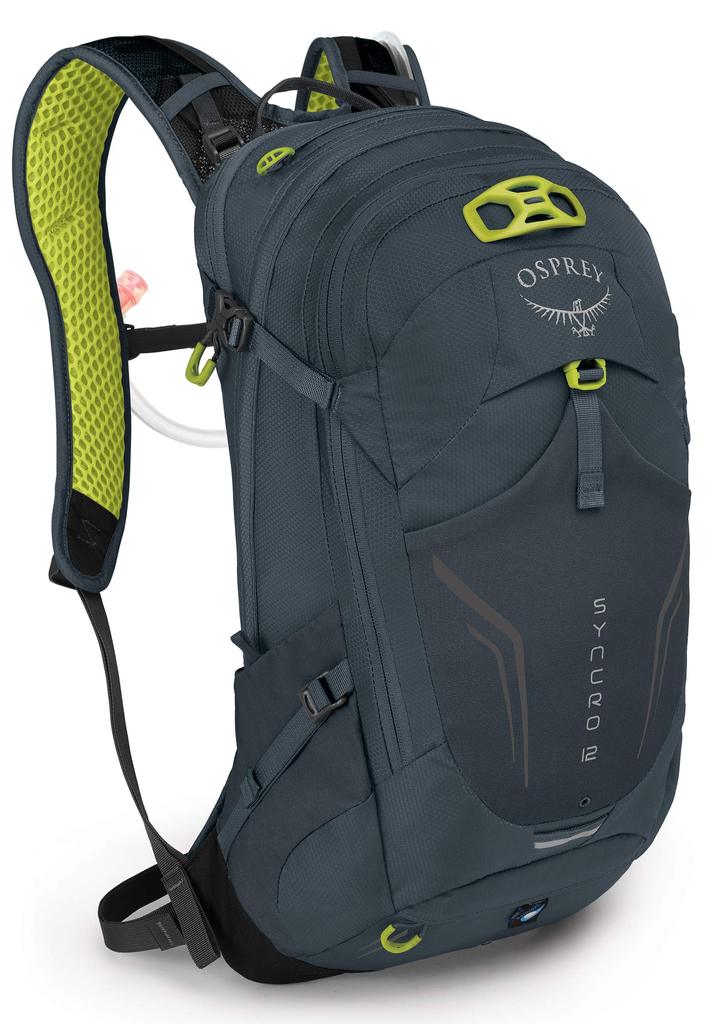
Travel backpacks may use similar liter ratings but are shaped differently. Clamshell openings, compression systems and luggage-style compartments can reduce school-day convenience. A school backpack should prioritize binders, device access and repeated daily opening.
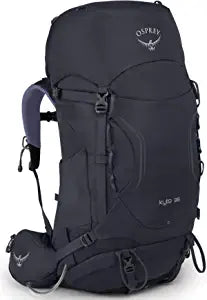
School Backpack Size vs Hiking Backpack Size
Hiking packs may have narrow, tall bodies and suspension systems optimized for trails. School backpacks are usually shorter and wider to fit books and laptops efficiently.
The main Backpacks Hub connects these different backpack categories.
Frequently Asked Questions
What backpack size is best for elementary school?
A smaller backpack that fits required folders, lunch and school supplies while remaining proportional to the child’s torso.
What backpack size is best for middle school?
A medium-size school or laptop backpack that fits binders, the school-issued device and the student’s daily schedule without unnecessary capacity.
What backpack size is best for high school?
Often a medium-to-large laptop-ready backpack, but the exact size should be based on the student’s device, books, activities and locker access.
Is 30L too large for a child?
It can be. Compare the child’s frame and required load rather than relying on liters alone.
How do I know if a backpack fits?
Test it loaded. It should stay close to the body, remain stable and avoid forcing the student to lean forward.
Should I buy a larger backpack so my child can grow into it?
Usually, fit the current student and current school load first. An oversized bag can encourage unnecessary weight and may be uncomfortable now.
Final Verdict
School backpack size should follow the student, not the grade label. Measure the body, the device and the largest school items, then choose the smallest backpack that handles the real daily load comfortably. Elementary students generally need smaller bags, middle schoolers need more organization and device storage, and high schoolers may need larger laptop-ready designs—but every student should be fitted individually.
Compare the Elementary School Backpack Guide, Middle School Backpack Guide and High School Backpack Guide, then browse the School Backpacks collection and central Backpacks Hub.
Sample Block Quote
Praesent vestibulum congue tellus at fringilla. Curabitur vitae semper sem, eu convallis est. Cras felis nunc commodo loremous convallis vitae interdum non nisl. Maecenas ac est sit amet augue pharetra convallis nec danos.
Sample Paragraph Text
Praesent vestibulum congue tellus at fringilla. Curabitur vitae semper sem, eu convallis est. Cras felis nunc commodo eu convallis vitae interdum non nisl. Maecenas ac est sit amet augue pharetra convallis nec danos dui.
Cras suscipit quam et turpis eleifend vitae malesuada magna congue. Damus id ullamcorper neque. Sed vitae mi a mi pretium aliquet ac sed elitos. Pellentesque nulla eros accumsan quis justo at tincidunt lobortis denimes loremous. Suspendisse vestibulum lectus in lectus volutpat, ut dapibus purus pulvinar. Vestibulum sit amet auctor ipsum.
Praesent vestibulum congue tellus at fringilla. Curabitur vitae semper sem, eu convallis est. Cras felis nunc commodo eu convallis vitae interdum non nisl. Maecenas ac est sit amet augue pharetra convallis nec danos dui.
Cras suscipit quam et turpis eleifend vitae malesuada magna congue. Damus id ullamcorper neque. Sed vitae mi a mi pretium aliquet ac sed elitos. Pellentesque nulla eros accumsan quis justo at tincidunt lobortis denimes loremous. Suspendisse vestibulum lectus in lectus volutpat, ut dapibus purus pulvinar. Vestibulum sit amet auctor ipsum.
