


How to Pack a Backpack: Travel, School & Hiking Guide
A well-packed backpack feels lighter, keeps the things you need within reach, and makes it far less likely that you will spend ten minutes searching for a charger, a rain jacket, or a pair of socks. The basic rule is simple: keep the load balanced, place heavier items close to your back, protect liquids and electronics, and put frequently needed items where you can reach them quickly.
Quick Answer: How Do You Pack a Backpack?
Start by making a short list, then group items by purpose. Put heavy, dense items close to the center of your back; keep light or bulky items toward the outer sections; use pockets for items you need often; and keep wet or leaking items separated. For travel, pack clothes by outfit or category. For hiking, balance weight and keep safety gear accessible. For school, protect electronics and prevent loose supplies from settling at the bottom.

The Four Rules of Packing a Backpack
| Rule | What it means | Why it helps |
|---|---|---|
| Balance | Keep heavy items near the center and close to your back. | The backpack is easier to carry and less likely to pull backward. |
| Accessibility | Place items you will use during the day in top, front, or side pockets. | You do not need to unpack everything to reach water, a charger, or a rain layer. |
| Compactness | Use the space you have without dangling heavy gear outside. | Contents are more stable and easier to carry. |
| Protection | Separate liquids, sharp items, and electronics. | Spills and pressure are less likely to ruin other gear. |
Step 1: Choose the Right Backpack Before You Pack
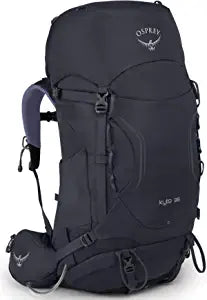
Packing technique cannot fix a bag that is too small, too large, or wrong for the job. A daily school bag should have a protected section for electronics and enough organization for supplies. A travel backpack needs room for clothing, toiletries, and an accessible personal-item pocket. A hiking pack needs a stable load and room for water, layers, food, and safety basics.
Do not fill every empty inch simply because it is available. A slightly underfilled backpack is easier to organize, lighter to carry, and faster to repack when plans change.
Step 2: Make a Short Packing List
Lay everything out before it goes into the bag. This is the fastest way to spot duplicate items, reduce overpacking, and separate essentials from “maybe” items. Use categories:
- Must-have: wallet, ID, medication, phone, keys, glasses, tickets, charger.
- Daily access: water, snacks, hand sanitizer, headphones, notebook, rain layer.
- Pack deeper: spare clothing, toiletries, extra shoes, larger electronics, sleep gear.
- Separate safely: liquids, food, damp items, and anything sharp.
Step 3: Pack Heavy Items Close to Your Back
For any backpack you will carry for more than a few minutes, put the densest items near the middle of the main compartment and as close to your back panel as practical. This keeps the center of gravity close to your body. A heavy object shoved far away from your back makes the load feel pull-heavy and unstable.
For hiking, keep dense gear centered and close to the back while leaving frequently needed layers, map, first-aid kit, snacks, and rain protection accessible. Do not turn the outside of your pack into a hanging rack of heavy objects; dangling gear can catch on branches and make balance worse.

Step 4: Organize Clothing and Soft Items
For travel, roll or fold clothing in a consistent way, but do not chase one “perfect” technique. The best method is the one that keeps outfits easy to find and the bag easy to close. Group clothing by day, type, or outfit. Put heavier shoes in a bag near the bottom, ideally in a position that does not press into electronics or clean clothing.
Packing cubes are useful because they turn one large compartment into predictable sections. They can make it easier to unpack at a hotel or find a layer at the airport, but they are an organization tool—not permission to bring twice as much. Leave a little room for a jacket, a souvenir, or an unexpected change of plans.

How to Pack a Backpack for Travel
Build around the trip, not the closet
Choose clothing that works together, and plan around laundry access, weather, and the length of the trip. A few versatile pieces are more useful than several single-purpose outfits. Keep your passport, wallet, medication, phone, and travel documents on your person or in the most secure, easy-to-reach pocket.
Keep airport items accessible
Put your charger, headphones, empty water bottle, snacks, a pen, and a light layer where you can reach them without opening the main compartment. Keep liquids contained in a sealed bag. If you are flying with a laptop, place it in the designated sleeve or a padded section where other items will not bend it.
Respect the bag’s real dimensions
A carry-on or personal-item backpack has to fit the airline’s current size policy, not just the size it looked like while empty. Measure a fully packed bag if you are close to the limit, and check the current allowance before travel. For help choosing a bag, see our guide on whether a backpack counts as a personal item or carry-on.
How to Pack a Backpack for School or College
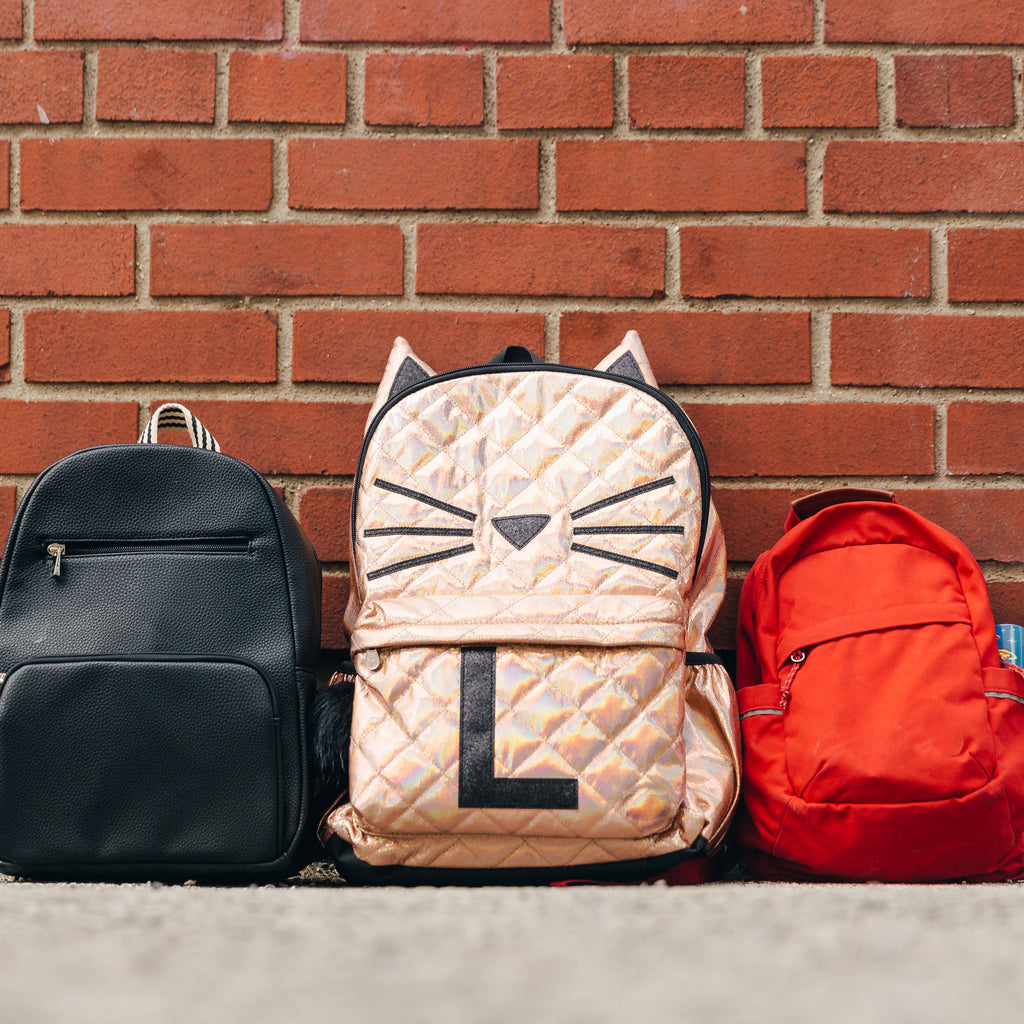
Put the laptop or tablet in its protective sleeve closest to the back panel. Place textbooks and binders next to it, then use the front organizers for pens, chargers, calculators, and smaller items. Keep a water bottle upright in an exterior pocket when possible, rather than above electronics. Remove old papers and food at least once a week so the bag does not slowly become heavier and harder to use.

How to Pack a Hiking Backpack
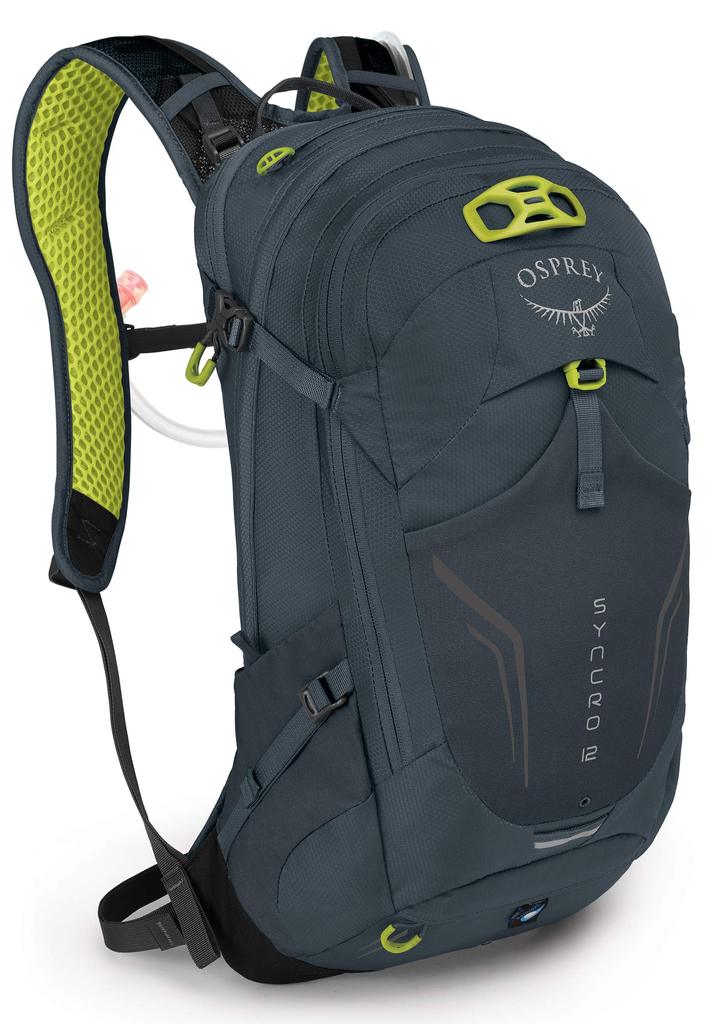
Think in terms of balance, access, and weather. Keep the heaviest dense gear near the center and close to your back. Place light, compressible gear around it. Put water, food, rain gear, sunscreen, navigation, and first aid where you can reach them quickly. Keep sleeping gear and items needed only at camp deeper in the pack.
Protect gear from moisture by using dry bags or pack liners where appropriate. Make sure nothing hard is pressing into your back panel. Before leaving, put the pack on, tighten the straps, and walk around for a minute. If it feels top-heavy or lopsided, repack it before you are on the trail.
What Not to Do When Packing a Backpack
- Do not put a heavy item in the outermost front of the bag.
- Do not bury medication, ID, or a charger under clothing.
- Do not store a leaking bottle loose next to electronics.
- Do not hang heavy objects from the outside unless the bag is designed for them.
- Do not overfill a backpack until zippers and seams are under constant strain.
- Do not pack damp clothes or gear in a sealed bag for long periods.
FAQ
Should heavy items go at the top or bottom of a backpack?
For a pack you are carrying, heavy items should generally sit close to your back and around the center of the load, not far away from your body. Keep the load balanced rather than top-heavy.
Is rolling or folding clothes better in a backpack?
Either can work. Rolling can help you see and group casual clothing; folding may work better for structured garments. Choose the method that keeps your bag organized and easy to close.
What should go in the top pocket of a backpack?
Put items you need quickly there: snacks, sunglasses, sunscreen, a charging cable, headphones, a rain shell, or small travel documents—depending on the backpack and trip.
How do you pack a backpack so it does not hurt your back?
Keep heavy items close to the back panel, balance left and right sides, avoid overpacking, and adjust shoulder and sternum straps so the bag rides close to your body.
Planning a Two- or Three-Night Trip?
Use our focused weekend-trip backpack packing guide and complete three-day checklist for clothing quantities, packing order, personal-item strategies, weather adjustments, and the 5-4-3-2-1 and 3-3-3 packing rules.
Final Verdict
The best way to pack a backpack is not about a single folding trick. It is about balance, access, protection, and only carrying what you will use. Put dense items close to your back, keep essentials reachable, separate liquids and electronics, and leave room to repack. The result is a backpack that feels lighter, works better, and is much easier to live out of—whether you are heading to class, the airport, or the trail.
Sample Block Quote
Praesent vestibulum congue tellus at fringilla. Curabitur vitae semper sem, eu convallis est. Cras felis nunc commodo loremous convallis vitae interdum non nisl. Maecenas ac est sit amet augue pharetra convallis nec danos.
Sample Paragraph Text
Praesent vestibulum congue tellus at fringilla. Curabitur vitae semper sem, eu convallis est. Cras felis nunc commodo eu convallis vitae interdum non nisl. Maecenas ac est sit amet augue pharetra convallis nec danos dui.
Cras suscipit quam et turpis eleifend vitae malesuada magna congue. Damus id ullamcorper neque. Sed vitae mi a mi pretium aliquet ac sed elitos. Pellentesque nulla eros accumsan quis justo at tincidunt lobortis denimes loremous. Suspendisse vestibulum lectus in lectus volutpat, ut dapibus purus pulvinar. Vestibulum sit amet auctor ipsum.
Praesent vestibulum congue tellus at fringilla. Curabitur vitae semper sem, eu convallis est. Cras felis nunc commodo eu convallis vitae interdum non nisl. Maecenas ac est sit amet augue pharetra convallis nec danos dui.
Cras suscipit quam et turpis eleifend vitae malesuada magna congue. Damus id ullamcorper neque. Sed vitae mi a mi pretium aliquet ac sed elitos. Pellentesque nulla eros accumsan quis justo at tincidunt lobortis denimes loremous. Suspendisse vestibulum lectus in lectus volutpat, ut dapibus purus pulvinar. Vestibulum sit amet auctor ipsum.
