


How to Pack a Backpack for a Weekend Trip: Complete 3-Day Packing List
Packing for a two- or three-night getaway should be easier than preparing for a long vacation, yet weekend backpacks are often the bags people overfill. The solution is to build a small coordinated wardrobe, wear the bulkiest pieces, keep journey essentials accessible, and load the backpack in an order that protects electronics while keeping weight close to the body.
Quick Answer: How Do You Pack a Backpack for a Weekend Trip?
For a typical three-day weekend, pack three tops, two bottoms, three sets of underwear and socks, one sleep outfit, one light layer, compact toiletries, medication, chargers, and only one additional pair of shoes if the itinerary truly requires it. Put the laptop or heaviest flat item against the back panel, place dense clothing near the center, isolate shoes and liquids, and reserve secure top or outer pockets for documents, medication, headphones, and anything needed during the journey.

Complete Three-Day Weekend Backpack Packing List
This list fits a Friday-to-Sunday trip for many travelers. Adjust it for weather, planned activities, laundry access, and personal needs rather than adding several “just in case” outfits.
Clothing
- Three tops, including the one worn during travel
- Two bottoms, including the one worn during travel
- Three sets of underwear and three pairs of socks
- One sleep outfit
- One light sweater, hoodie, or packable jacket
- One compact activity-specific outfit only when required
- One extra pair of shoes only when the itinerary requires it
Toiletries and health essentials
- Toothbrush and travel-size toothpaste
- Deodorant and small daily hair- or skin-care products
- Prescription medication in appropriate containers
- Contacts, glasses, and related supplies
- Sunscreen or weather-specific protection
- A few essential first-aid items
Technology and journey items
- Phone, cable, and compact wall charger
- Verified power bank if needed
- Headphones
- Laptop or tablet only when the trip requires it
- Wallet, identification, keys, and travel documents
- Reusable empty water bottle for air travel
- Small snack
The list should become smaller when the destination provides towels, toiletries, hair dryers, or other bulky items. Confirm what the hotel, rental, or host supplies before packing duplicates.
What Size Backpack Do You Need for a Weekend Trip?
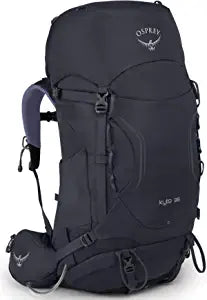
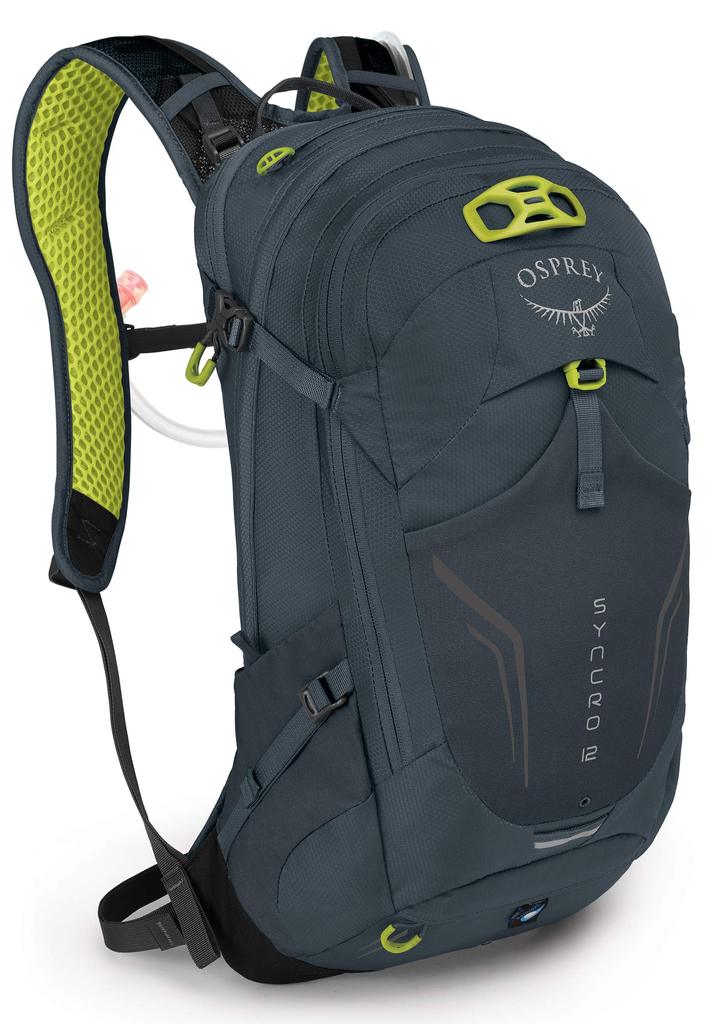
A backpack around 25 to 35 liters is a useful starting range for many warm-weather two- or three-night trips. It is not a universal rule. A compact traveler using lightweight clothing may need less, while winter clothing, formalwear, medical equipment, or a large laptop may require more.
Do not choose capacity before measuring the largest rigid items. A 30-liter backpack may have enough theoretical volume but the wrong opening, laptop sleeve, or depth for a particular load. Pack the real items indoors, close every zipper normally, and wear the loaded backpack for ten minutes.
If the bag will fly as a personal item or carry-on, measure its fully packed exterior and verify the airline’s current policy. Our personal-item and carry-on backpack guide explains why an empty-bag measurement is not enough.
As an Amazon Associate, we may earn from qualifying purchases.
Compare this travel backpack and packing-cube set on Amazon
How to Pack the Backpack in the Right Order
1. Lay out everything first
Place every item on a bed or table. Group clothing, toiletries, technology, documents, and health essentials. Remove duplicates and anything included only for an unlikely scenario. Loading one item at a time hides how much you are actually bringing.
2. Pack the protected laptop first
If a computer is necessary, place it in the intended padded sleeve or protected zone closest to the back panel. Measure the device with its case. It should remain flat rather than bowing around shoes, bottles, or overfilled clothing cubes.
3. Put shoes low and contained
Wear the heavier or bulkier footwear during travel. Place one compact additional pair near the bottom in a shoe bag if needed. Keep soles away from clean clothing and prevent hard heels from pressing into electronics.
4. Center the densest clothing
Place the most compact clothing cube or folded stack near the center and close to the back. Fill surrounding gaps with softer items. Dense weight in the far outer panel pulls the backpack away from the body and can make a modest load feel much heavier.
5. Keep liquids upright and isolated
Use sealed travel containers inside a leak-resistant pouch. For U.S. air travel, TSA’s 3-1-1 rule generally limits carry-on liquids, aerosols, gels, creams, and pastes to containers of 3.4 ounces or less inside one quart-size clear zip-top bag, one bag per passenger. Verify current requirements and medically necessary exceptions directly with TSA before flying.
6. Use the top for the journey layer
Put a light jacket, scarf, or rain shell near the top when it may be needed before arrival. Do not bury weather protection beneath all the clothing.
7. Reserve secure quick-access pockets
Use smaller pockets for identification, medication, charging cable, headphones, tissues, and documents. Keep money and identification on your person or in a protected pocket rather than an exposed compartment another person can open unnoticed.

What Is the 5-4-3-2-1 Packing Rule?
The 5-4-3-2-1 rule is a flexible capsule-packing idea often interpreted as five tops, four bottoms, three accessories, two pairs of shoes, and one special item such as a dress or swimsuit. Versions differ, so treat it as a framework rather than a law.
Those quantities are usually excessive for a weekend backpack. A practical three-day adaptation is three tops, two bottoms, one extra layer, one sleep outfit, and no more than two total pairs of shoes—including the pair worn during travel. The important idea is that the pieces coordinate and work in multiple combinations.
What Is the 3-3-3 Rule for Packing?
The 3-3-3 approach is commonly presented as three tops, three bottoms, and three pairs of shoes. It can inspire a capsule wardrobe, but three pairs of shoes consume too much space for most two- or three-night backpack trips.
Use three tops, two bottoms, and one or two total pairs of shoes instead. Wear the bulkiest outfit and footwear. The goal is not to follow a memorable number perfectly; it is to cover the itinerary without carrying unused clothing.
Should You Roll Clothes or Fold Them?
Roll lightweight casual clothing when that makes it easier to see and place into narrow spaces. Fold structured garments along their natural seams. Neither method creates unlimited capacity, and tightly rolling every item can produce wrinkles or encourage overpacking.
Packing cubes help separate underwear, tops, sleepwear, and worn clothing. Compression cubes may reduce the bulk of soft garments, but they do not reduce weight. Do not compress a cube so tightly that it becomes a dense block pulling the backpack out of balance.
See a travel-backpack set with packing cubes on Amazon
How to Pack a Backpack for a Three-Day Trip as a Personal Item
Personal-item packing requires stricter choices because the bag must fit the airline’s current limits when fully packed. Build the load around minimum clothing needs, choose small toiletries, wear the coat and bulkiest shoes, and leave unnecessary technology at home.
Do not overfill exterior pockets until they increase the measured depth. A soft backpack can expand beyond the permitted dimensions even when its manufacturer calls it a personal-item bag.
A practical under-seat setup may include one small clothing cube, one flat toiletry pouch, a protected tablet or compact laptop, a light layer, charger, documents, and an empty bottle. If winter boots, formal clothing, or a large computer are mandatory, a larger carry-on may be more realistic.
How to Pack for a Rainy Weekend
Choose quick-drying clothing, put a compact shell near the top, and protect electronics in an internal dry pouch. A water-resistant fabric claim does not make the entire backpack waterproof; seams and ordinary zippers can admit moisture.
Place damp clothing in a temporary leak-resistant bag, then remove it as soon as possible. Never leave wet items sealed inside the backpack after arrival. Open every compartment and air-dry the bag according to its care instructions.
How to Pack for a Cold Weekend
Wear the largest coat, sweater, and boots during travel when practical. Pack thin thermal layers rather than several bulky sweaters. Gloves, a hat, and a scarf can extend the usefulness of the same outerwear.
Cold-weather weekends are where a compact personal item may stop being realistic. Do not damage zippers or compromise necessary warmth simply to satisfy an arbitrary one-bag challenge.
How to Pack for a Warm-Weather Weekend
Lightweight clothing makes a smaller backpack possible, but swimming and sun plans add their own items. Pack quick-drying pieces, sunscreen, hat, sunglasses, and a swimsuit when applicable. Carry a lightweight layer for air-conditioned spaces or cooler evenings.
Place a wet swimsuit in a temporary sealed pouch for the journey home and remove it immediately after arrival. Keep sunscreen and other liquids separated from clothing and electronics.
Do You Need Packing Cubes for a Weekend Trip?
No. A backpack can be packed effectively without cubes. They are valuable when they make categories easier to find, keep clean and worn clothing separated, or simplify unpacking. One or two small cubes are usually more useful for a weekend than a large system that fills the bag.
Before choosing organizers, measure the backpack’s internal shape. Rectangular cubes fit suitcase-style openings more efficiently than curved or narrow top-loading compartments.

Is a Backpack Enough for a Three-Day Trip?
Yes for many travelers, particularly in mild weather and when one pair of shoes covers most activities. A backpack becomes less practical when the trip requires bulky winter layers, multiple formal outfits, specialized sports equipment, medical supplies, or several large devices.
Pack the actual items, close the backpack without forcing it, and wear it for ten minutes. If zippers strain, hard objects press into the back, or the load pulls sharply backward, reduce the contents or choose a more suitable bag.
How Do You Pack a Backpack for Four Days?
For a fourth day, add underwear and socks first. Add another top only if the existing tops cannot be reworn or washed. Keep the same two bottoms and footwear when the itinerary allows. Four days does not automatically require a much larger bag; it requires a more deliberate clothing system.
Weekend Packing by Type of Trip
City break
Prioritize comfortable walking shoes, a secure day-access pocket, a light layer, and one coordinated dinner outfit. Leave specialized outdoor gear at home unless it appears on the itinerary.
Road trip
A vehicle allows a little flexibility, but avoid scattering essentials across several loose bags. Keep medication, documents, and one complete change of clothes in the backpack so they remain easy to locate.
Business weekend
Fold structured clothing carefully, minimize shoes, and place chargers in one pouch. When a suit or formal garment is essential, a garment-focused bag may protect it better than a compact backpack.
Outdoor weekend
This guide addresses ordinary travel rather than overnight wilderness backpacking. Hiking trips require a route-specific plan for shelter, water, food, navigation, weather, and emergency equipment. Use an appropriate hiking pack and safety guidance.
Common Weekend Packing Mistakes
- Packing a complete outfit for every possible activity
- Bringing several pairs of shoes
- Using full-size toiletries for two nights
- Putting a heavy laptop in the outermost panel
- Burying medication and travel documents
- Assuming a soft backpack stays within airline limits when overfilled
- Compressing clothing without considering total weight
- Filling every pocket and leaving no room for repacking
The Ten-Minute Final Packing Test
- Close every zipper without pulling the fabric into position.
- Check that liquids are upright and sealed.
- Confirm medication and identification are accessible.
- Measure the loaded exterior when flying.
- Put on both shoulder straps and adjust them evenly.
- Walk, turn, sit, and climb stairs.
- Check for a hard object pressing through the back panel.
- Remove one item unlikely to be used.

Frequently Asked Questions
How many outfits should I pack for a three-day weekend?
Three tops and two bottoms usually provide enough combinations when the pieces coordinate. Include the clothing worn during travel rather than packing three separate complete outfits.
How many pairs of shoes do I need?
One versatile pair may be enough. When another pair is necessary, wear the bulkier shoes and pack the smaller pair in a protective bag.
Where should heavy items go?
Keep dense items near the center and close to the back panel. Avoid placing the heaviest objects in the far outer front where they pull the backpack backward.
Can a weekend backpack fit under an airplane seat?
Possibly, but airline limits and backpack dimensions vary. Measure the fully packed bag and verify the operating airline’s current personal-item policy.
Are compression cubes worth using for three days?
They can organize soft clothing and reduce bulk, but they do not reduce weight. Use only sizes that fit the backpack naturally.
Should I bring a laptop?
Only when the itinerary requires it. A laptop adds weight and needs protection. A phone or tablet may cover basic entertainment and communication with less bulk.
What should stay in the top pocket?
Store secure quick-access items such as medication, a charging cable, headphones, tissues, or a small snack. Keep identification and money in a protected pocket or on your person.
Final Verdict
The best way to pack a backpack for a weekend trip is to plan one small coordinated wardrobe, wear bulky items, and load the bag around balance and access. For most three-day trips, three tops, two bottoms, three sets of underwear and socks, one sleep outfit, one layer, and no more than two total pairs of shoes are enough.
Keep the protected laptop close to the back, isolate shoes and liquids, place dense clothing near the center, and reserve secure outer pockets for journey essentials. Browse travel backpacks, compare packing cubes, and read our broader guide to packing a backpack for travel, school and hiking.
Sample Block Quote
Praesent vestibulum congue tellus at fringilla. Curabitur vitae semper sem, eu convallis est. Cras felis nunc commodo loremous convallis vitae interdum non nisl. Maecenas ac est sit amet augue pharetra convallis nec danos.
Sample Paragraph Text
Praesent vestibulum congue tellus at fringilla. Curabitur vitae semper sem, eu convallis est. Cras felis nunc commodo eu convallis vitae interdum non nisl. Maecenas ac est sit amet augue pharetra convallis nec danos dui.
Cras suscipit quam et turpis eleifend vitae malesuada magna congue. Damus id ullamcorper neque. Sed vitae mi a mi pretium aliquet ac sed elitos. Pellentesque nulla eros accumsan quis justo at tincidunt lobortis denimes loremous. Suspendisse vestibulum lectus in lectus volutpat, ut dapibus purus pulvinar. Vestibulum sit amet auctor ipsum.
Praesent vestibulum congue tellus at fringilla. Curabitur vitae semper sem, eu convallis est. Cras felis nunc commodo eu convallis vitae interdum non nisl. Maecenas ac est sit amet augue pharetra convallis nec danos dui.
Cras suscipit quam et turpis eleifend vitae malesuada magna congue. Damus id ullamcorper neque. Sed vitae mi a mi pretium aliquet ac sed elitos. Pellentesque nulla eros accumsan quis justo at tincidunt lobortis denimes loremous. Suspendisse vestibulum lectus in lectus volutpat, ut dapibus purus pulvinar. Vestibulum sit amet auctor ipsum.
