


Rolling Backpacks for School, College and Work: Complete Fit Guide
Quick Answer: Rolling backpacks work best for students and adults who carry a genuinely heavy or bulky load across mostly smooth routes. For school, confirm policy, locker fit, handle height, and hallway safety. For college, prioritize mixed indoor-outdoor routes and laptop protection. For work, teachers, and nursing programs, match the bag to documents, devices, supplies, stairs, and the ability to lift the complete load.
As an Amazon Associate, we may earn from qualifying purchases.
Compare current rolling backpacks on Amazon
A wheeled backpack can reduce the time a load sits on the shoulders, but it does not eliminate carrying. Every route includes transitions: vehicle steps, curbs, stairs, lockers, trunks, security belts, and overhead storage. The right bag is the smallest model that holds the required items and remains controllable in every repeated part of the day.

Who Should Consider a Rolling Backpack?
The strongest candidate has a predictable route with long smooth sections and a load that is uncomfortable to carry continuously. That may include a student with several books, a college commuter with a laptop and materials, a teacher moving between rooms, or a professional transporting files and technology.
The weakest candidate faces frequent stairs, rough pavement, snow, gravel, crowded transit, or strict storage limits. A conventional backpack may be lighter and easier when the route demands repeated carrying. Medical concerns should be discussed with a qualified professional rather than solved by a product claim.
Rolling Backpacks for Elementary School
Young students need a model proportionate to their height and lifting ability. A large bag can look economical but encourage overpacking and create a handle-height mismatch. Confirm that the student can steer without leaning, stop the bag safely, lift it with the grab handle, and park it without blocking a walkway.
Check whether lunch, bottle, folders, and classroom items actually fit. A matching multi-piece set may be attractive, but added pouches can increase clutter. Secure every strap so nothing reaches the wheels.
Is a Rolling Backpack Too Big for Kindergarten?
It can be. Kindergarten loads are usually small, while wheel frames add empty weight and bulk. Ask the school about storage and transportation. Choose only when the route and individual need justify wheels, and select the smallest manageable option.
Rolling Backpacks for Middle School
Middle-school students may carry more binders and move through crowded hallways. Confirm rolling bags are permitted. Measure locker shelves and the maximum packed depth. Teach the student to pull the bag close to the body rather than swinging it across traffic. A stable two-wheel model is often easier to park than a wide spinner system.
Rolling Backpacks for High School
High-school requirements vary by schedule and device program. Build the packing list around the heaviest actual day rather than every possible book. Verify laptop fit, bottle storage, sports transitions, bus steps, and stairs. A large-capacity model is not helpful when it cannot fit under a desk or inside a locker.
Do College Students Use Rolling Backpacks?
Yes, particularly commuters, students carrying laptops and textbooks, and people moving across accessible campuses. The better question is whether the route supports one. College campuses can include long paved distances plus old buildings with stairs. Test both rolling and shoulder modes because backpack straps may be necessary more often than expected.
Rolling Backpacks for College
Prioritize a protected laptop compartment, comfortable handle height, stable wheel base, document organization, and a manageable empty weight. A college model should not resemble a deep vacation suitcase unless overnight travel is part of the routine. Keep dense textbooks low and near the frame, but separate hard corners from the computer.
Rolling Laptop Backpacks for Work
Professionals should look for subdued styling only after fit and hardware are correct. Measure the laptop with its case, verify room for the charger and documents, and check how the bag enters elevators, trains, offices, and client spaces. Quiet wheels and a stable upright base matter in professional environments.

Rolling Backpacks for Teachers
Teachers may carry lesson materials, a laptop, papers, books, and personal items between home and classroom. Look for a wide stable opening, protected document storage, a bottle pocket isolated from electronics, and wheels suited to the parking lot and school floors. Avoid placing all heavy materials in the front organizer because that encourages tipping.
Rolling Backpacks for Nursing Students
Nursing students may need textbooks, a device, clinical supplies, and a change of clothing. Confirm program and facility rules, cleanability, compartment separation, and the route through labs or clinical areas. A wheeled bag can be practical on campus but inappropriate in restricted care spaces, so verify before purchasing.
Rolling Backpacks for Adults
An adult rolling backpack should be selected by load and route rather than gender labeling. Handle height, laptop dimensions, empty weight, opening style, wheel noise, and the ability to attach or store accessories are more important than whether a listing says men or women. Style can break a tie after every physical requirement is met.
Women’s Rolling Backpacks
Many women’s listings emphasize color, a dual-opening layout, or underseat travel. Those features can be useful, but the same fit test applies. Verify the extended handle reaches a comfortable height and that the complete bag is manageable on stairs. A narrow profile may improve maneuverability, while an overfilled front section can create instability.
Rolling Backpacks for Men
Men’s listings often emphasize large capacity or business travel. Do not default to the biggest model. Measure the actual computer and work load, then compare empty weight and packed depth. A moderately sized bag with better wheels and a taller locking handle may outperform a larger one.
Lightweight Rolling Backpacks
Lightweight is valuable because every roller must eventually be lifted. Compare empty weight among bags with similar capacity and structure. Extremely light construction is not automatically better if the handle flexes, the base collapses, or the wheels lack protection. The best lightweight model removes unnecessary bulk without sacrificing control.
Extra-Large Rolling Backpacks
Extra-large models are justified for bulky teaching supplies, equipment, samples, or longer travel loads. Weigh the finished bag. Confirm the user can lift it into a vehicle and control it on turns. For clothing-heavy loads, a wheeled duffel or suitcase may be more efficient than a backpack hybrid.
Rolling Backpack With a Laptop
Use a suspended padded sleeve when possible. Measure the full computer chassis and sleeve opening. Keep the laptop away from the wheel housing, hard books, and liquids. Rolling creates vibration; padding reduces but does not eliminate shock. Back up essential data.
Handle Height and Posture
The user should stand upright with relaxed shoulders while pulling. A short handle can cause leaning or heel clipping. A long loose handle can twist. Test every locking stage with the full load and on actual turns. Pull close to the body rather than letting the bag trail far behind in crowded spaces.
Wheel Choice
Two recessed wheels track well and often protect hardware. Four spinners turn easily indoors but add exposed projections. Stair-climbing wheel clusters can assist on some steps but add weight and do not remove the need for safe lifting. Inspect diameter, ground clearance, axle access, and replacement information.
School Rules and Safety
Policies can change yearly. Ask the school directly whether rolling backpacks are allowed and where they must be stored. Reasons for restrictions may include trip hazards, narrow hallways, stairs, or limited lockers. Teach safe pulling, parking, lifting, and strap storage.
Loaded-Weight Test
- Write the complete packing list.
- Weigh the contents.
- Add the backpack’s empty weight.
- Pack dense items low and near the frame.
- Roll across a threshold and make tight turns.
- Lift with the grab handle.
- Carry briefly using the backpack straps.
- Eliminate any bag the user cannot control in every mode.
Organization
Pocket count is not capacity. Assign each item a location. Keep small essentials in an organizer, books in the main compartment, electronics protected, and bottles outside. A deep front pocket shifts the center of gravity forward. Use compression only when it does not press hard objects into the laptop.
Weather and Cleaning
Water-resistant does not mean waterproof. Use independent protection for electronics and papers. Follow the care label, spot-clean fabric, remove hair and grit from wheels, wipe the base, and air-dry fully. Do not machine wash a structured roller unless explicitly permitted.
When a Regular Backpack Is Better
Choose a conventional backpack for frequent stairs, uneven trails, snow, crowded buses, short lightweight loads, or all-day carrying. A well-fitted ordinary backpack eliminates wheel-frame weight and offers better carry comfort. Wheels are a route tool, not a universal upgrade.
Where to Compare
Browse Rolling Backpacks, then use Rolling Laptop Backpacks for computer-focused options. Compare School Backpacks, College Backpacks, and Work Backpacks when wheels are optional.
Compare rolling backpack sizes and styles on Amazon
Frequently Asked Questions
Are rolling backpacks better for your back?
They reduce shoulder-carry time on smooth surfaces but still require pulling and lifting. Seek professional guidance for medical concerns.
Are rolling backpacks allowed in school?
Policies vary by school and year. Confirm directly before buying.
Are rolling backpacks weird or uncool?
Practical fit matters more than a passing style opinion. Current designs range from children’s patterns to professional laptop bags.
What size is best for middle school?
The smallest packed exterior that fits required materials, locker space, handle height, and policy.
Should college students use one?
They can be useful for heavy laptop-and-book loads on accessible campuses. Mixed routes require functional shoulder straps.
Are they good for teachers?
Yes when the route is mostly smooth and the bag organizes papers, devices, and supplies without becoming too heavy to lift.
Can nurses use rolling backpacks?
Students and professionals must confirm facility rules, cleanability, and where personal bags may be stored.
How do you take one downstairs?
Retract the pull handle and use the reinforced grab handle or properly fitted backpack straps. Do not drag ordinary wheels down steps.
Final Verdict
Rolling backpacks are not limited to children or travel. They can serve elementary students, college commuters, teachers, nursing students, and professionals when the route and load justify the hardware. The best choice remains the smallest stable model that fits the real items, rolls predictably, and can still be lifted safely.
Compare current rolling backpacks on Amazon
School, College, and Work Decision Matrix
| Setting | Hard constraint | Best first test |
|---|---|---|
| Elementary | Child can steer and lift it | Handle height and school storage |
| Middle or high school | Policy and hallway safety | Locker and full schedule load |
| College | Mixed campus route | Laptop protection plus stairs |
| Teaching | Documents stay organized | Stable base with front pockets filled |
| Nursing program | Facility rules and cleanability | Storage outside restricted areas |
| Office travel | Professional access and device fit | Quiet loaded rolling and lift test |
Reevaluate the Load Each Term
School schedules, devices, lockers, and policies change. Empty the bag at the end of each term, remove accumulated low-priority items, and rebuild the packing list. Adults should do the same after project or travel changes. Reducing the load extends wheel, handle, and zipper life while making every transition safer.
Style and Social Concerns
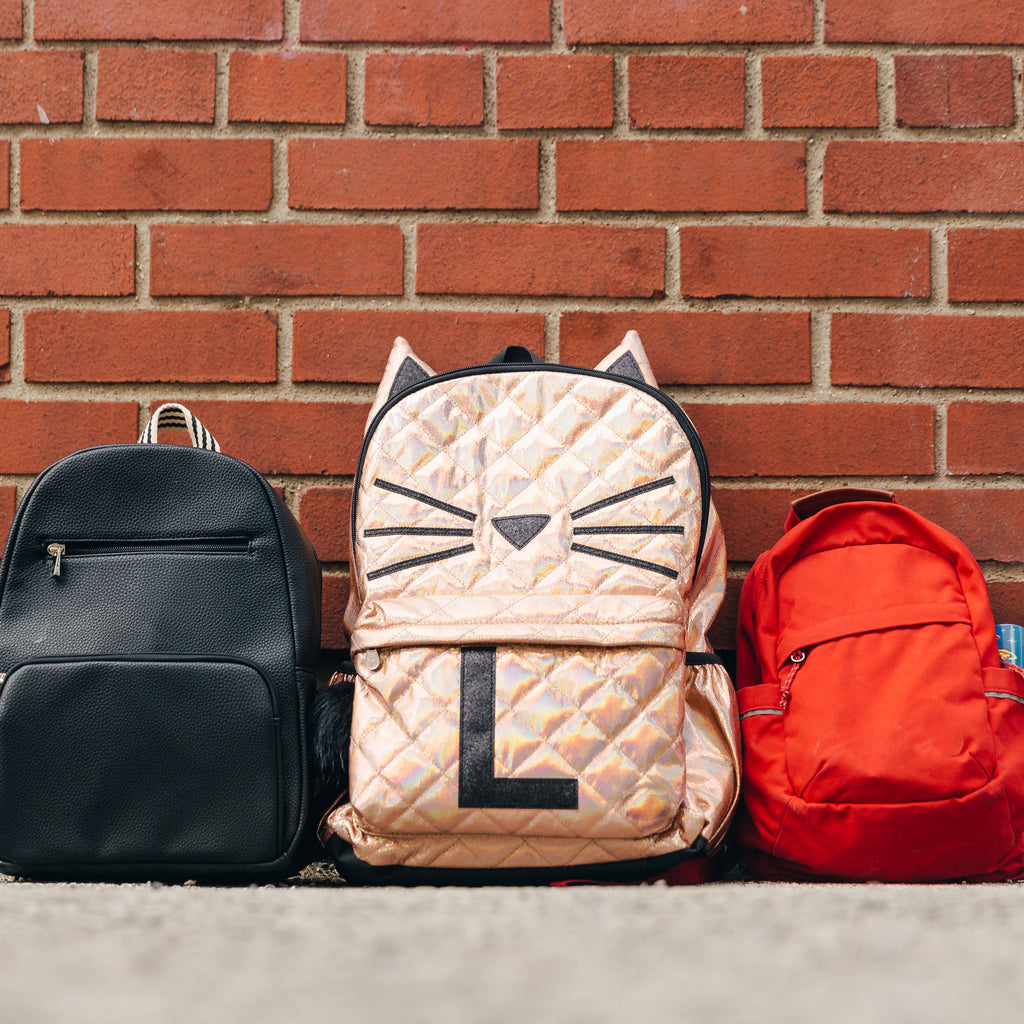
Some searchers ask whether rolling backpacks look unusual. Current products range from character school bags to understated business designs. A bag that solves a real route and load is practical. Choose a design the user will carry confidently, but do not sacrifice handle fit, stability, or storage for appearance.
Accessibility Without Medical Claims
A rolling format may be part of an accessibility plan, but individual needs differ. Coordinate with the school, employer, or qualified professional when accommodations, lifting limits, or building access are involved. Product marketing cannot determine what is safe for a particular person.
Sample Block Quote
Praesent vestibulum congue tellus at fringilla. Curabitur vitae semper sem, eu convallis est. Cras felis nunc commodo loremous convallis vitae interdum non nisl. Maecenas ac est sit amet augue pharetra convallis nec danos.
Sample Paragraph Text
Praesent vestibulum congue tellus at fringilla. Curabitur vitae semper sem, eu convallis est. Cras felis nunc commodo eu convallis vitae interdum non nisl. Maecenas ac est sit amet augue pharetra convallis nec danos dui.
Cras suscipit quam et turpis eleifend vitae malesuada magna congue. Damus id ullamcorper neque. Sed vitae mi a mi pretium aliquet ac sed elitos. Pellentesque nulla eros accumsan quis justo at tincidunt lobortis denimes loremous. Suspendisse vestibulum lectus in lectus volutpat, ut dapibus purus pulvinar. Vestibulum sit amet auctor ipsum.
Praesent vestibulum congue tellus at fringilla. Curabitur vitae semper sem, eu convallis est. Cras felis nunc commodo eu convallis vitae interdum non nisl. Maecenas ac est sit amet augue pharetra convallis nec danos dui.
Cras suscipit quam et turpis eleifend vitae malesuada magna congue. Damus id ullamcorper neque. Sed vitae mi a mi pretium aliquet ac sed elitos. Pellentesque nulla eros accumsan quis justo at tincidunt lobortis denimes loremous. Suspendisse vestibulum lectus in lectus volutpat, ut dapibus purus pulvinar. Vestibulum sit amet auctor ipsum.
