


How to Choose the Best Travel Backpacks for Every Trip
The Ultimate Guide to Choosing the Perfect Travel Backpacks and Luggage: A Step-by-Step How-To
Selecting the right gear for traveling can make the difference between a streamlined adventure and a chaotic journey. Whether you are a business traveler, a digital nomad, a student going abroad, or an avid explorer eyeing your next destination, finding the perfect travel backpack or carry on luggage is essential for both convenience and comfort. This comprehensive how-to guide will walk you through every step, from understanding the different bag types available to evaluating your specific needs and organizing your gear efficiently. By the end, you'll be equipped with the knowledge to make an informed choice—from Travel Backpacks and Laptop Backpacks to Daypacks and the versatile Duffel Bag.
Table of Contents
- Introduction: Why the Right Bag Matters
- Types of Travel Bags Explained
- Step 1: Assess Your Travel Needs
- Step 2: Choose the Right Bag Type
- Step 3: Consider Essential Features
- Step 4: Compare Materials and Durability
- Step 5: Optimize Organization and Packing
- Step 6: How to Care for Your Gear
- Tips for Travel Efficiency and Security
- Conclusion: Make Your Next Trip Effortless
Introduction: Why the Right Bag Matters
Quality luggage and backpacks influence every facet of your journey. The right choice will minimize discomfort, save you from excess baggage fees, help you stay organized, and ensure that both your tech and valuables remain protected. On the other hand, an ill-suited bag can result in back pain, damaged electronics, or, worse, ruined trips. Let’s explore how to choose intelligently based on your travel style, duration, and packing priorities.
Types of Travel Bags Explained
Before you choose, it’s important to understand the main categories of travel gear available on the market. Each type serves a unique purpose, and often, seasoned travelers use a combination for maximum efficiency.
1. Travel Backpacks
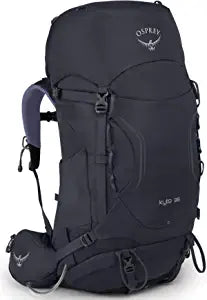
Travel Backpacks are designed for versatility, combining packable structure, ergonomic support, and high capacity. They’re ideal for trips where mobility, multi-modal transport, and weight distribution matter most.
2. Carry On Luggage
Carry On Luggage generally refers to wheeled suitcases that meet airline cabin size restrictions. They’re perfect for short business trips or anyone seeking the security and organization of a hard or soft-sided trolley bag.
3. Laptop Backpacks
Laptop Backpacks are tailored for those who need to travel with electronics. They include padded compartments for laptops and tablets, with extra pockets for chargers, accessories, and sometimes even a slip for a power bank.
4. Daypacks
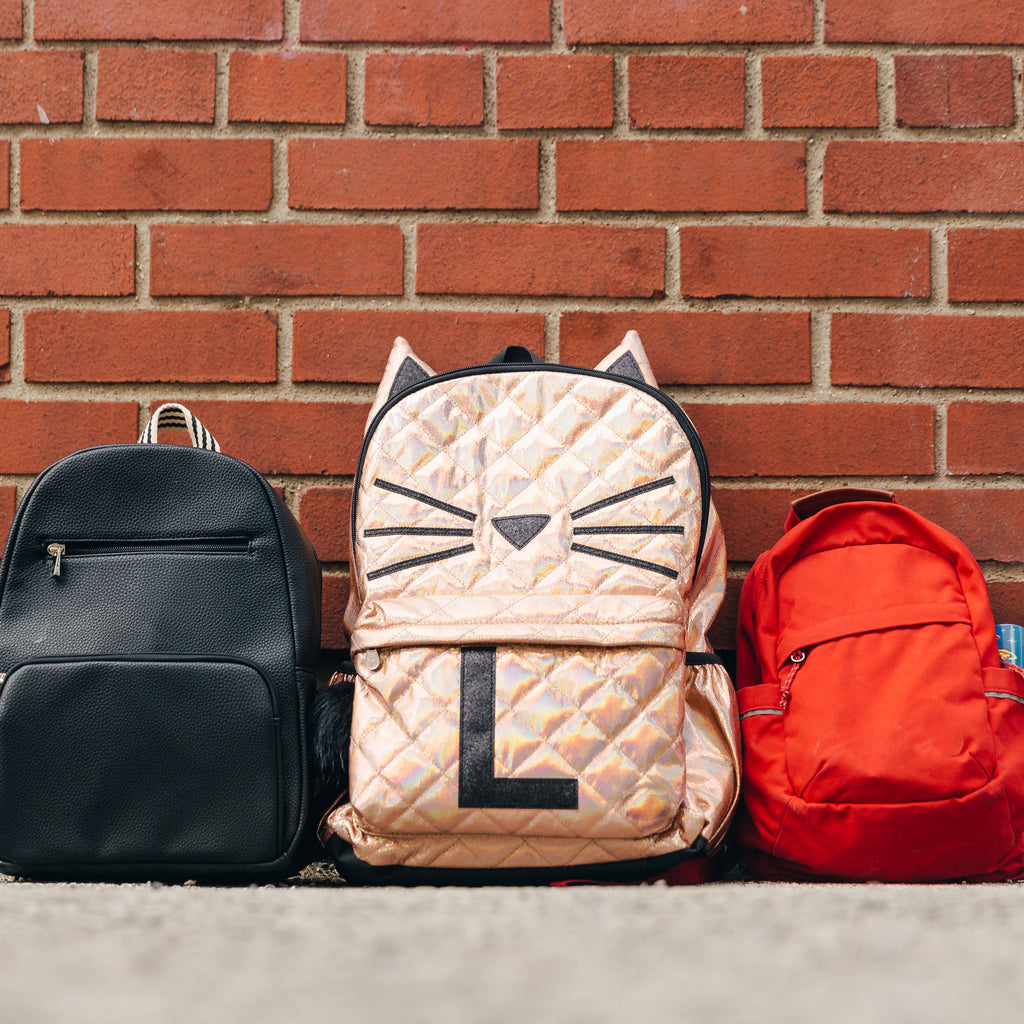
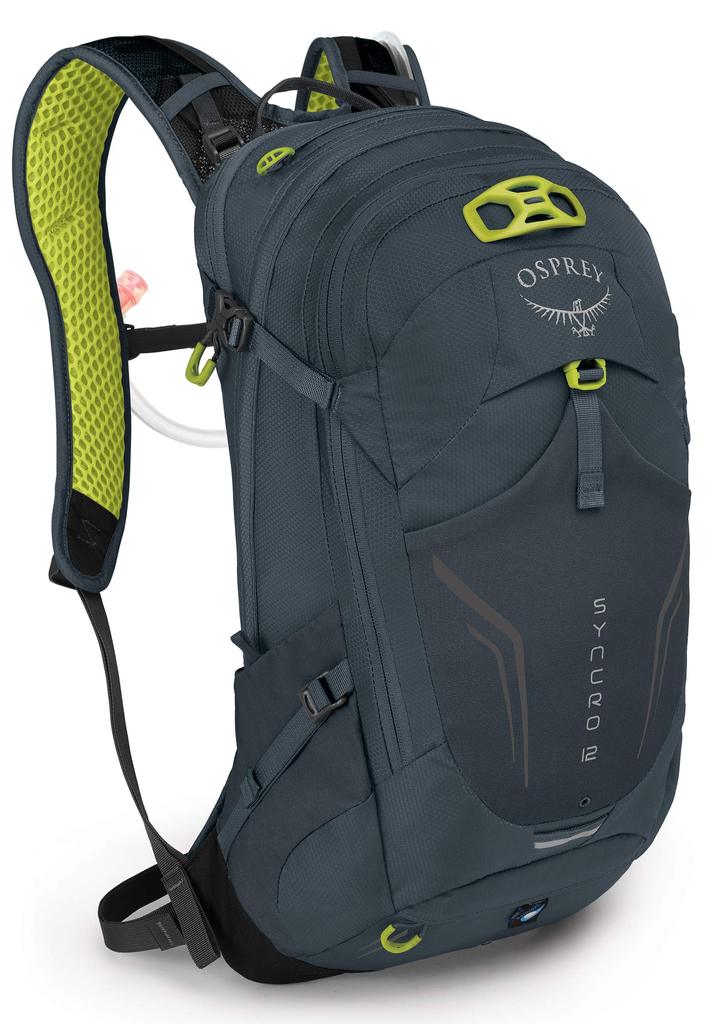
A Daypack is a lightweight, compact backpack ideal for short excursions, city walks, or as an add-on for day adventures while keeping your primary bag at your accommodation.
5. Duffel Bag
The Duffel Bag bridges the gap between flexibility and capacity. These soft, barrel-shaped bags are excellent for both gym sessions and longer trips where you need to pack more flexibly but still want quick access to everything.
Step 1: Assess Your Travel Needs
Start your journey by asking key questions about your trip. Your answers will shape the rest of the selection process.
- Purpose: What is the main goal of your travel—business, leisure, hiking, or study?
- Duration: Are you leaving for a weekend or a month?
- Mobility: How much will you be switching transportation modes (plane, train, bus, on foot)?
- Gear: Are you traveling light, or do you need to bring tech, clothes, shoes, and specialty equipment?
- Workspace needs: Will you require a laptop or tablet for work? How important are tech safety and organization?
Clarifying these points will set the stage for choosing your optimal travel companion.
Step 2: Choose the Right Bag Type
With a clear understanding of your needs, here’s how to select the category that suits you best.
When to Choose Travel Backpacks
- Opt for Travel Backpacks for light to medium-length trips where you will walk long distances, use public transportation, or travel to multiple cities.
- Great for destinations with uneven terrain or cobblestone streets unsuited for wheeled luggage.
- Choose models with adjustable suspension and padded belts for maximum comfort over long hours.
When to Use Carry On Luggage
- Carry On Luggage is best for short business and city trips, where you need to store your belongings in overhead compartments easily.
- Pick a forward-facing rolling or spinner design for maximum maneuverability in busy terminals.
- Look for hard or soft shell options depending on your security and flexibility needs.
Best Uses for Laptop Backpacks
- Select Laptop Backpacks for business travelers, students, and digital nomads who need padded security for electronics and accessory organization.
- Choose anti-theft designs when moving in urban areas. Consider waterproof models if traveling where rain is common.
- Some versions include lay-flat laptop storage for easy airport scans.
The Role of Daypacks
- A Daypack pairs well with any larger luggage—it’s ideal for hands-free sightseeing, carrying water, camera, snacks, or a light jacket.
- Choose collapsible designs to stow away in your main luggage.
- Daypacks with hydration compatibility are perfect for hikers and active sightseers.
How to Use a Duffel Bag
- The Duffel Bag is perfect for flexible packing, such as gym trips, road trips, or when you need one big compartment for irregularly shaped items.
- Choose structured models with multiple carry options (shoulder strap and handles) for heavy loads.
- Water-resistant fabrics and reinforced bottoms increase durability.
Step 3: Consider Essential Features
Packed with features and innovation, travel bags today offer far more than just a container for your gear. Assess these critical attributes to maximize your bag’s utility and your travel comfort.
Key Features in Travel Backpacks
- Fit and Frame: Look for adjustable shoulder straps, padded hip belts, and a ventilated back panel.
- Capacity: A good range is 35L-45L for most trips. Choose expandable models for extended journeys.
- Access: U-shaped, clamshell, or panel access designs for easy packing and swift item retrieval.
Top Features in Carry On Luggage
- Locking Zippers: For added security, especially during air travel.
- Spinner Wheels: 360° rotatable wheels make it easy to roll in any direction.
- Compartments: Multiple sections for organizing clothes, shoes, documents, and toiletries.
Essential Features in Laptop Backpacks
- Padded Tech Sleeve: Keep your electronics secure even during bumpy trips.
- USB Charging Ports: For on-the-go device recharging (with your own power bank).
- RFID Protection: Safeguards credit cards and passports from digital theft.
- Organizer Panels: For chargers, pens, and notebooks.
Important Features in Daypacks
- Light Weight: Less bulk to carry on casual outings.
- Hydration Reservoir Sleeve: For athletic and hiking daypacks.
- Quick Access Pockets: Stash keys, sunglasses, or snacks in outer sleeves.
- Packability: Some models fold into their own pocket for ease of storage.
Valuable Features in Duffel Bag
- Multiple Carry Options: Shoulder strap, grab handles, and even backpack straps.
- Weather Resistance: Durable fabric coating to protect from rain and spills.
- Gear Loops or Lash Points: Attach extra gear, yoga mats, or wet items externally.
- Shoe Compartment: Keep dirty shoes separate from clean clothes.
Step 4: Compare Materials and Durability
Material choice significantly impacts not only your bag’s look, feel, and weight but, most importantly, its lifespan and protective ability.
Common Materials Used
- Nylon: Lightweight, abrasion-resistant, and highly versatile (look for “ripstop” nylon for extra strength).
- Polyester: More affordable but slightly less durable; often used in Carry On Luggage and Laptop Backpacks.
- Canvas: Classic and rugged, often used for Duffel Bag styles and urban Daypacks.
- Leather Accents: Elevate aesthetics and boost strength at high-wear points.
- TPU/Laminate: Waterproof and super tough, ideal for adventure bags.
Durability Tips
- Reinforced bottoms offer protection if you regularly drop your bag on hard surfaces.
- Double-stitched seams strengthen load-bearing areas.
- YKK or other premium quality zippers prolong the lifespan of compartments.
Step 5: Optimize Organization and Packing
A well-designed bag encourages orderly packing, prevents wrinkles, and ensures all your essentials are within easy reach. Here’s how to get the most from your new luggage or backpack:
Packing Techniques for Travel Backpacks and Daypacks
- Use Packing Cubes: Color-coded cubes help split clothing types for a mess-free main compartment.
- Vertical Loading: Place heavier items near your spine for balance in Travel Backpacks.
- Quick-Access Pockets: Store passport, wallet, and boarding pass within easy reach.
Optimizing Carry On Luggage
- Layer Strategically: Place shoes at the wheels' end, suits at the top, and toiletries in side pouches.
- Utilize Compression Straps: Prevent clothing from shifting during transit.
- Roll, Don’t Fold: Rolling clothes saves space and minimizes wrinkles.
Packing Electronics in Laptop Backpacks
- Padded Compartments Only: Insert laptops/tablets only in dedicated, padded pockets.
- Cable Management: Use zippered mesh pouches or tech organizers for cords and chargers.
- Keep Liquids Externally: Use external mesh bottle pockets to avoid leaks damaging your laptop.
How to Fill a Duffel Bag Efficiently
- Base Layer: Heavy items (shoes, toiletries) go at the bottom.
- Roll Soft Goods: Roll gym wear, t-shirts, and underwear to maximize space.
- Use Pouches: Toiletry kits or shoe bags separate wet/dirty items from clean gear.
Step 6: How to Care for Your Gear
Prolonged life for travel gear relies on proper care—here’s how to support your bags so they remain reliable trip after trip:
- CLEAN REGULARLY: Wipe down hard-sided luggage after every trip. Brush off dust from fabric bags, and spot-clean stains immediately.
- AIR IT OUT: After a trip, open all compartments to ventilate and prevent mildew.
- STORE PROPERLY: Store bags in a cool, dry place. Avoid direct sunlight, which breaks down fabric fibers and fades colors.
- ZIP UP: Store with zippers and clasps closed to maintain shape.
- CHECK FOR DAMAGE: After each return, inspect wheels, zippers, and seams. Repair any minor damage quickly to prevent issues.
Tips for Travel Efficiency and Security
Increase your travel success with these expert tips:
- Invest in Quality: A well-constructed bag offers reliability for years and helps avoid unexpected breakdowns mid-trip.
- Check Airline Restrictions: Always refer to your carrier’s size and weight allowances for Carry On Luggage and personal items.
- Double Up: Use a Daypack or Laptop Backpacks as your underseat personal item on flights.
- Lock Valuables: Padlocks for zippers and anti-theft features for rural or urban travel will keep your valuables safer.
- Use Luggage Trackers: Bluetooth or GPS trackers can be slipped inside Travel Backpacks and Duffel Bag to monitor their location if separated from you.
Conclusion: Make Your Next Trip Effortless
Choosing the best companion for your journeys—be it Travel Backpacks, Carry On Luggage, Laptop Backpacks, Daypacks, or a Duffel Bag—can transform your travel experience. By following this how-to guide, you empower yourself to make smart, strategic decisions that encourage organization, comfort, and peace of mind. Remember that the right choice reflects not only your practical needs but also your personal style and how you prefer to explore the world.
Ready to begin your travel adventure with confidence? Browse our carefully curated selection of travel bags and accessories today, and equip yourself with the tools to make every trip unforgettable. For personalized recommendations or more expert tips, contact our customer service team—we’re here to help you travel smarter!
Your journey starts with the perfect bag. Make it count.
Sample Block Quote
Praesent vestibulum congue tellus at fringilla. Curabitur vitae semper sem, eu convallis est. Cras felis nunc commodo loremous convallis vitae interdum non nisl. Maecenas ac est sit amet augue pharetra convallis nec danos.
Sample Paragraph Text
Praesent vestibulum congue tellus at fringilla. Curabitur vitae semper sem, eu convallis est. Cras felis nunc commodo eu convallis vitae interdum non nisl. Maecenas ac est sit amet augue pharetra convallis nec danos dui.
Cras suscipit quam et turpis eleifend vitae malesuada magna congue. Damus id ullamcorper neque. Sed vitae mi a mi pretium aliquet ac sed elitos. Pellentesque nulla eros accumsan quis justo at tincidunt lobortis denimes loremous. Suspendisse vestibulum lectus in lectus volutpat, ut dapibus purus pulvinar. Vestibulum sit amet auctor ipsum.
Praesent vestibulum congue tellus at fringilla. Curabitur vitae semper sem, eu convallis est. Cras felis nunc commodo eu convallis vitae interdum non nisl. Maecenas ac est sit amet augue pharetra convallis nec danos dui.
Cras suscipit quam et turpis eleifend vitae malesuada magna congue. Damus id ullamcorper neque. Sed vitae mi a mi pretium aliquet ac sed elitos. Pellentesque nulla eros accumsan quis justo at tincidunt lobortis denimes loremous. Suspendisse vestibulum lectus in lectus volutpat, ut dapibus purus pulvinar. Vestibulum sit amet auctor ipsum.
