


Randoseru vs. Regular School Backpacks: Which Is Better?
Quick Answer
A Randoseru is best for shoppers who want a structured, box-shaped school bag with a protective full flap, stable organization, and a traditional Japanese silhouette. A regular school backpack is usually better for lower empty weight, flexible capacity, exterior bottle pockets, sporty carry systems, and a wider range of prices. Neither design is automatically more comfortable or durable. Compare the actual bag’s weight, internal dimensions, strap fit, weather protection, school rules, warranty, and the child’s loaded comfort.
Disclosure: As an Amazon Associate, we earn from qualifying purchases. This does not affect the price you pay.
View Randoseru Backpacks on Amazon
Randoseru and conventional school backpacks solve the same basic problem in very different ways. A Randoseru usually holds its rectangular shape, opens beneath a long protective flap, and keeps books upright in a compact main compartment. A regular backpack usually uses a fabric shell, zipper openings, multiple outer pockets, and a shape that expands or compresses around the load.
The best choice depends on the wearer and school routine—not which style looks more premium. This comparison covers the differences that matter after the first day: packing, carrying, rain, cleaning, safety, growth, repairs, and value. For background on the Japanese design, read What Is a Randoseru Backpack? You can also browse our Japanese Backpacks and Randoseru collection.
Randoseru vs. Regular Backpack: Key Differences
| Feature | Randoseru | Regular school backpack |
|---|---|---|
| Shape | Structured rectangular body | Usually soft or semi-structured |
| Opening | Long flap with bottom closure | Usually one or more zippers |
| Organization | Large upright compartment plus front sections | Varies from one cavity to many pockets |
| Empty weight | Often around or above 1 kg; model dependent | Can be much lighter; wide variation |
| Capacity | Predictable but less flexible | Often more flexible or expandable |
| Style | Formal, distinctive, traditional silhouette | Sporty, casual, technical, or character-based |
These are design tendencies, not promises. Canvas Randoseru, lightweight hybrid school bags, rigid conventional backpacks, and adult Randoseru blur the categories. Judge the listed model rather than assuming every bag with a long flap performs alike.
What Makes a Randoseru Different?
The most recognizable difference is construction. Traditional-style Randoseru use firm sidewalls and a flat back to create an upright box. The long flap covers the opening and typically fastens near the bottom. This architecture helps folders and books stay aligned instead of slumping into a loose fabric pile.
Modern examples commonly list interior dimensions near 31 centimeters tall, 23 to 24 centimeters wide, and roughly 12 centimeters deep, though models vary. Many are designed around A4 flat files. Some include reflective details, attachment points for a safety alarm, shaped shoulder straps, and warranties intended to cover elementary-school use. Those features are model-specific; a marketplace listing that merely resembles a Randoseru may not include them.
What Defines a Regular School Backpack?
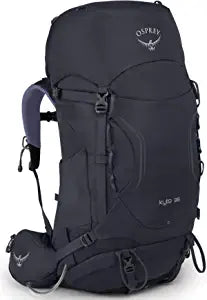
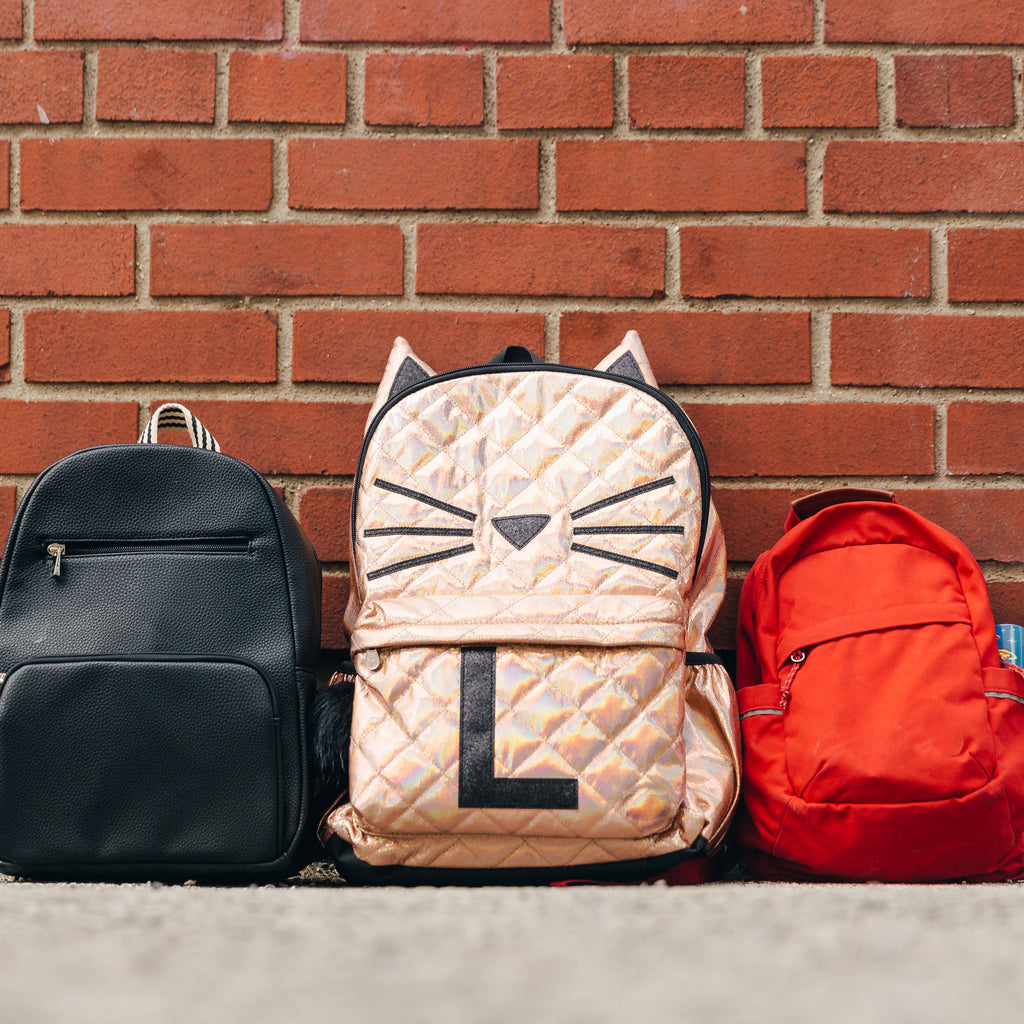
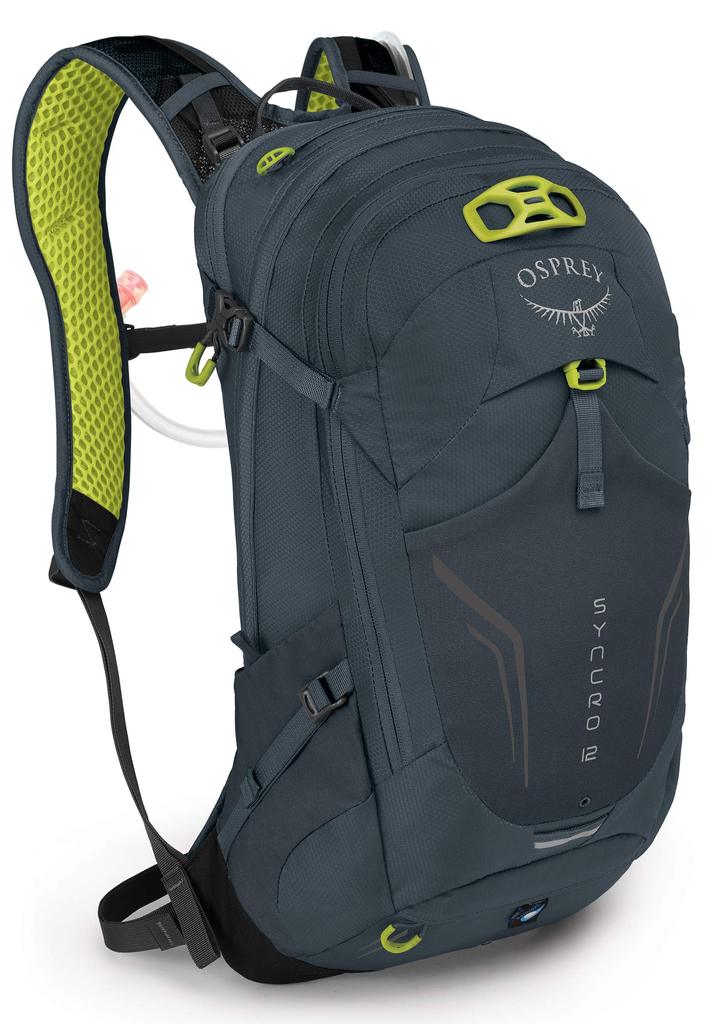
A regular school backpack is a broader category. It may be a basic two-zipper daypack, a laptop backpack, a hiking-inspired pack with a sternum strap, or a wheeled school bag. Fabric construction allows designers to add bottle pockets, compression straps, organizer panels, expansion zippers, and separate technology compartments.
This variety is its main advantage and its biggest research problem. Two regular backpacks can differ more from each other than either differs from a Randoseru. One may weigh very little but have thin straps; another may use a substantial harness and structured laptop sleeve. Compare specifications rather than treating “regular backpack” as one design.
Browse Randoseru-Style School Bags
Organization and Ease of Packing
Randoseru organization is simple and predictable. Books, binders, and folders stand vertically in the main compartment. A smaller front section holds pencil cases and accessories. The rigid walls help the bag remain open while packing and reduce the chance of papers folding around soft contents.
That simplicity can become a limitation. A large lunch box, bulky sweatshirt, sports gear, or irregular art project may not fit efficiently in a rectangular compartment. External water-bottle pockets are also less common. Overstuffing can prevent the flap from closing or place stress on the lock.
Regular backpacks are generally better for mixed shapes. Separate pockets can isolate lunch, electronics, wet gear, and small objects. Elastic bottle pockets keep drinks outside the main compartment. The tradeoff is that too many pockets can hide items, and a soft main compartment may let books lean or corners bend.
Which One Carries More?
Capacity cannot be decided from exterior size alone. A Randoseru may look deep because the flap and front pocket project outward, while its useful main-compartment depth is smaller. A regular backpack may list liters, but that volume can be distributed among tapered sections and pockets.
Make a load list and measure the largest rigid item. For school use, check internal height and width for the actual folder or binder format. Check gusset depth for books, lunch, or gym clothing. For technology, compare the laptop or tablet’s three dimensions with the sleeve—not only the advertised diagonal screen size.
Our Randoseru size and fit guide explains internal versus external dimensions and how to test flap clearance.
Weight and Perceived Weight
Regular fabric backpacks often win on empty weight. Some lightweight school packs weigh hundreds of grams less than a structured Randoseru. That difference matters when a child already carries a heavy academic load or walks a long distance.
Empty weight is not the whole comfort equation. A bag that keeps dense books close to the back and uses shaped, well-spaced straps may feel stable. A lighter bag can feel worse if it hangs away from the body, lets the load sag, or concentrates pressure along narrow straps. Test both options with the expected load for at least several minutes.
Check four things: whether the bag stays close to the upper back, whether the straps lie flat without rubbing the neck, whether the bottom rests above the hips rather than bouncing, and whether the wearer can stand and walk naturally. A sternum strap can improve stability on some regular backpacks, but a poorly positioned strap may feel uncomfortable.
Comfort as a Child Grows
A Randoseru intended for several school years needs enough shoulder-strap adjustment for growth and seasonal clothing. The smallest setting must fit now without the bag hanging low, while the largest setting needs future room. Some Japanese makers shape the strap attachment and shoulder curve to bring the bag closer to the back.
A regular backpack may offer continuously adjustable webbing, making small changes easy. However, loose strap tails can slip on inexpensive hardware, and a backpack purchased excessively large can overwhelm a small child. Bigger is not automatically better for growth.
Fit should be checked again each term. Children grow, clothing changes, and daily loads increase. Comfort problems blamed on the bag sometimes come from straps that were never readjusted.
Check Current Randoseru Options
Weather Protection
The Randoseru flap provides broad top coverage and may help shield the main opening from light rain. Many artificial-leather models use water-resistant surfaces, and some cowhide models have protective treatments. The closure and seams still matter; no silhouette alone makes a bag waterproof.
Regular backpacks vary from absorbent canvas to coated technical fabric with protected zippers. A zipper opening across the top can be vulnerable if the fabric has no storm flap, while roll-top or covered-zip designs may perform well. Waterproof fabric does not guarantee waterproof seams.
For either style, use a rain cover or internal dry bag when weather is severe. Wipe the exterior, empty damp contents, and air-dry naturally after exposure. Do not apply an unapproved waterproofing spray to leather or coated synthetics.
Durability and Shape Retention
Randoseru are known for structure. Reinforced sidewalls can protect papers and help the bag retain its silhouette. That does not make every model indestructible. Flap hinges, edge coating, strap anchors, locks, and internal frame components remain wear points.
Regular backpacks can be highly durable when they use abrasion-resistant fabric, reinforced seams, dependable zippers, and strong handle attachments. Their soft bodies may survive being compressed without permanent structural damage, but they provide less crush protection to contents.
Look beyond material marketing. Inspect stitch consistency, stress-point reinforcement, zipper or lock operation, piping, handle attachment, and warranty terms. Our leather versus synthetic Randoseru comparison explains why shell material alone cannot predict lifespan.
Cleaning and Everyday Maintenance
A synthetic-leather Randoseru is often easy to wipe, while natural leather may require more cautious cleaning. Regular nylon or polyester backpacks may permit spot cleaning and, occasionally, a maker-approved wash. Never assume a backpack is machine washable. Foam, coatings, leather trim, reflective elements, and rigid inserts may be damaged.
Routine care for either style is simple: remove crumbs and paper, wipe spills promptly, inspect the bottom corners and straps, and allow the bag to dry fully before storage. Do not leave lunch residue or a leaking bottle sealed inside. The product label and manufacturer instructions should control the cleaning method.
Safety and Visibility
Some Randoseru include reflective strips, side hooks, or shoulder-strap hardware for a safety alarm. These features developed around a particular school routine, but they should be verified on the individual bag. Avoid hanging heavy or long objects from side hooks where they can swing, snag, or upset balance.
Regular backpacks may offer bright colors, reflective piping, sternum straps, whistle buckles, or hydration features. Again, features differ. A dark bag without reflective details can be improved with removable visibility accessories if the school allows them.
The safest bag keeps both hands free, stays stable while walking, does not obstruct the wearer’s view when turning, and does not have loose straps dragging near wheels or steps.
School Rules and Social Fit
Before buying either design, ask what the school requires. Confirm bag dimensions, allowed colors or logos, whether rolling bags are permitted, the size of cubbies or lockers, and whether students carry issued technology. A Randoseru is associated with Japanese elementary school, but requirements are not universal across every school in Japan or elsewhere.
Outside Japan, the style may attract positive attention because it is distinctive. It may also stand out more than a conventional backpack. Include the child in the decision. A beautiful bag that the wearer dislikes will not be a successful long-term purchase.
Price, Warranty, and Repair
Regular backpacks cover nearly every price tier and are easy to replace. Premium technical packs can still cost as much as, or more than, some Randoseru. Randoseru pricing reflects material, construction, origin, maker, decoration, and warranty—not just the silhouette.
A long warranty is useful only when you understand it. Check who provides service in your country, whether shipping is included, what qualifies as normal wear, and whether a loaner bag is available during repair. Imported products can be expensive to return. Keep receipts and photograph the condition when the bag arrives.
See Randoseru Backpacks on Amazon
Which Is Better for Elementary School?
Choose a Randoseru when the child is comfortable with the loaded weight, folders fit correctly, the structured compartment matches the school routine, and the family values long-term shape and distinctive styling. Choose a regular school backpack when minimizing weight, carrying bottles and bulky items, using multiple quick-access pockets, or staying within a lower budget matters more.
The best elementary bag is not the most expensive or traditional. It is the one the child can pack, close, lift, wear, and maintain with minimal adult intervention.
Which Is Better for Middle or High School?
A regular backpack is usually more adaptable for changing schedules, larger laptops, sports gear, and varied textbooks. Traditional child-size Randoseru may have insufficient strap length or capacity for older students. Adult-sized or modern expanded Randoseru can work when measurements fit, but do not buy from appearance alone.
Which Is Better for Adults?
Adults often choose Randoseru for the clean silhouette, structured organization, and Japanese design connection. Regular backpacks generally offer better access to travel features, bottle pockets, luggage pass-throughs, sternum straps, and dedicated technology organization.
For adult use, check shoulder-strap range with a jacket, laptop fit, empty weight, and opening clearance. See our guide to Randoseru backpacks for adults for a complete checklist.
Seven Questions to Ask Before Buying
- What exact items must fit every day?
- What is the bag’s empty weight and loaded test weight?
- Do the internal—not external—dimensions fit folders and technology?
- Can the wearer operate every closure without help?
- Do the straps fit now and provide realistic growth room?
- What does the maker claim about rain, cleaning, warranty, and repairs?
- Does the seller clearly distinguish Japanese-made, Japanese brand, and Japanese-inspired?
People Also Ask
Is a Randoseru better than a backpack?
A Randoseru is better for buyers who prefer a structured compartment, protective flap, and traditional box shape. A regular backpack is better for buyers prioritizing low weight, flexible storage, exterior pockets, and broad price choice. The wearer’s loaded fit decides the better option.
Why are Randoseru backpacks so rigid?
The reinforced rectangular structure helps the bag retain shape and keeps books and folders upright. Rigidity can protect contents but also makes the usable capacity less flexible for bulky or irregular items.
Are Randoseru backpacks heavy?
Many weigh around or above one kilogram, but materials and designs vary. Some lightweight or canvas versions weigh less. Compare the published empty weight and test the bag loaded because fit and weight distribution affect how heavy it feels.
Can a Randoseru hold a laptop?
Some fit tablets or laptops, but screen size alone is insufficient. Compare the device’s full height, width, and thickness with the bag or sleeve’s internal dimensions and confirm there is padding and closure clearance.
Do Japanese schools require Randoseru?
Randoseru are strongly associated with Japanese elementary schools, but policies vary. Buyers should check the specific school rather than treating the tradition as a universal legal requirement.
Can adults use a Randoseru?
Yes, provided the shoulder straps, torso fit, opening, and capacity suit the adult. Adult-oriented Randoseru exist, while traditional children’s models may fit too tightly.
How long does a Randoseru last?
A well-made, properly cared-for Randoseru may be designed for multiple school years, but lifespan depends on construction, load, climate, treatment, storage, and repair support. A six-year warranty is not universal and must be verified.
Browse the Randoseru Collection
Final Verdict
Randoseru win on structured organization, shape retention, a protective full flap, and unmistakable design. Regular school backpacks win on flexibility, lightweight options, pocket variety, sports-oriented carrying features, and price range. Neither category owns comfort, durability, or weather resistance; those depend on the exact model.
Start with school rules and the real load. Measure the largest items, compare empty weight, verify materials and origin, and let the wearer conduct a loaded fit test. Continue through our complete Japanese Backpacks and Randoseru guide, explore Japanese backpack brands and styles, browse the Japanese Backpacks collection, or visit our main Backpacks hub.
View Japanese Backpacks on Amazon
Sample Block Quote
Praesent vestibulum congue tellus at fringilla. Curabitur vitae semper sem, eu convallis est. Cras felis nunc commodo loremous convallis vitae interdum non nisl. Maecenas ac est sit amet augue pharetra convallis nec danos.
Sample Paragraph Text
Praesent vestibulum congue tellus at fringilla. Curabitur vitae semper sem, eu convallis est. Cras felis nunc commodo eu convallis vitae interdum non nisl. Maecenas ac est sit amet augue pharetra convallis nec danos dui.
Cras suscipit quam et turpis eleifend vitae malesuada magna congue. Damus id ullamcorper neque. Sed vitae mi a mi pretium aliquet ac sed elitos. Pellentesque nulla eros accumsan quis justo at tincidunt lobortis denimes loremous. Suspendisse vestibulum lectus in lectus volutpat, ut dapibus purus pulvinar. Vestibulum sit amet auctor ipsum.
Praesent vestibulum congue tellus at fringilla. Curabitur vitae semper sem, eu convallis est. Cras felis nunc commodo eu convallis vitae interdum non nisl. Maecenas ac est sit amet augue pharetra convallis nec danos dui.
Cras suscipit quam et turpis eleifend vitae malesuada magna congue. Damus id ullamcorper neque. Sed vitae mi a mi pretium aliquet ac sed elitos. Pellentesque nulla eros accumsan quis justo at tincidunt lobortis denimes loremous. Suspendisse vestibulum lectus in lectus volutpat, ut dapibus purus pulvinar. Vestibulum sit amet auctor ipsum.
