


Best Daypacks for Hiking, Travel and Everyday Use (2026)
Quick Answer: The best daypack depends on the load and trip. Choose roughly 10–18 liters for essentials and short walks, 18–25 liters for hiking or sightseeing with layers and water, and 25–30 liters when carrying a laptop, camera gear or a longer day’s supplies. Packable daypacks prioritize low stored weight; structured hiking daypacks prioritize ventilation, stability and comfort.
A daypack is smaller than an overnight backpack and designed for one day’s equipment. The category includes hiking packs, travel day bags, packable backpacks, campus bags and small technical packs. The right choice is not simply the highest-rated model: it is the bag whose capacity, harness, pockets and weather protection match the actual day.
As an Amazon Associate, we may earn from qualifying purchases.
Compare current daypacks on Amazon
Daypack Sizes at a Glance
| Capacity | Useful starting use | Main limitation |
|---|---|---|
| Under 10L | Water, phone, wallet and a few essentials | Very little room for layers |
| 10–18L | Short hikes, errands and compact sightseeing | Limited space for changing weather |
| 18–25L | Most day hikes, travel and campus use | Can be overpacked if organization is poor |
| 25–30L | Long days, camera gear or laptop carry | More bulk and empty weight |
| Packable | Backup travel bag and light loads | Minimal structure and protection |
What Is a Daypack?
A daypack is a backpack sized and organized for a single day rather than overnight camping. Many fall between 10 and 30 liters, although product names are not standardized. Hiking versions may use shaped back panels, sternum straps and hydration compatibility. Travel versions may prioritize packability, quick access or laptop storage.
The word “daypack” describes intended use, not one technical specification. A 20-liter packable bag and a 20-liter technical hiking pack can carry very differently. Compare the harness and materials as carefully as the capacity.
Best Daypacks for Hiking
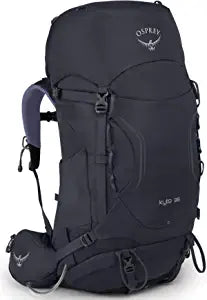
A hiking daypack should remain stable on uneven ground and provide room for water, food, navigation, sun protection, a first-aid kit and weather layers. Shoulder straps should follow the torso without cutting into the neck. A sternum strap helps control movement, and a hip belt can improve stability on larger or denser loads.
Back ventilation matters in warm conditions, but air-channel designs can shift the load away from the body. Try the pack with realistic weight. Bottle pockets should retain the intended container while bending and stepping, not merely while standing.
Browse hiking daypacks by size and carry system
Small Daypacks for Short Trips
Small daypacks work well when the user carries only essentials. Their main advantage is discipline: less empty space reduces unnecessary packing. Their drawback is limited flexibility when temperatures change or extra food and water are needed.
Check whether the opening provides useful access. A narrow top opening can make a small pack feel more restrictive than its liter rating. Interior dividers also consume usable volume. For a short urban day, quick-access security may matter more than trail-oriented attachment points.
Packable Daypacks
A packable daypack folds or stuffs into a compact pouch for travel. It is useful as a secondary bag for excursions, shopping or overflow. Lightweight construction is not automatically comfortable under a dense load, and thin fabric provides little protection for cameras or electronics.
Inspect the shoulder straps, seams and zipper path. Use a separate padded sleeve for fragile items. Pack soft clothing against the back to prevent hard objects from creating pressure points.
Daypacks for Travel
A travel daypack should work after the primary luggage reaches the hotel. Useful features include a secure passport pocket, comfortable straps, bottle storage and an opening that gives access without unpacking everything. A low-profile design can be easier in museums, trains and crowded streets.
Packability is valuable, but a structured bag may be better when carrying a laptop or camera. Airline personal-item rules apply to the fully packed exterior, not the daypack label. Compare dimensions with the carrier’s current policy.
Compare packable and structured travel daypacks
Daypack vs Backpack
| Factor | Daypack | Larger backpack |
|---|---|---|
| Trip length | One day | Overnight or multi-day |
| Typical capacity | About 10–30L | Often 30L and above |
| Harness | Light to moderately structured | May transfer heavier loads |
| Best use | Hiking, commuting and sightseeing | Travel, backpacking and larger loads |
A large backpack is not automatically safer or more versatile. Extra capacity encourages overpacking. Choose the smallest pack that holds required supplies with a reasonable margin.
Daypack vs Hydration Pack
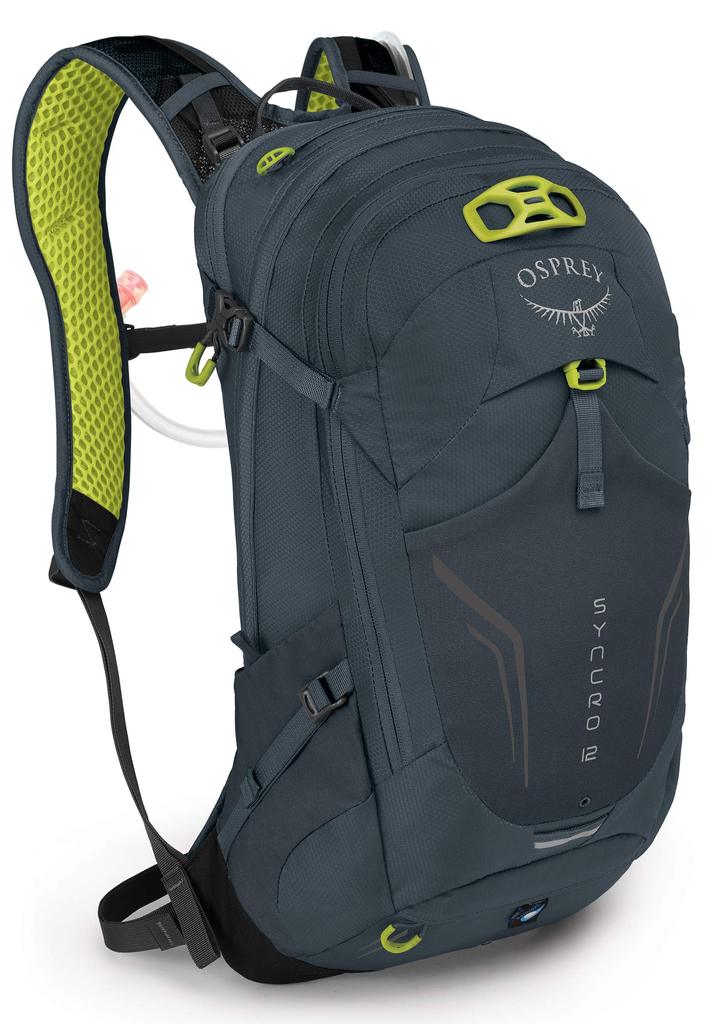
A hydration pack is organized around a reservoir and drinking hose. Some are extremely small, while others overlap ordinary hiking-daypack capacities. Choose hydration integration when hands-free drinking matters; choose a general daypack when food, clothing and equipment organization matter more.
Confirm reservoir compatibility and whether a reservoir is included. Protect the rest of the contents from leaks, and dry the reservoir and hose completely after use.
Daypack Fit and Torso Length
Capacity does not determine wearable fit. Compare the back-panel length and strap shape with the user’s torso. The top should sit without pushing into the neck, and the bottom should not hang so low that it interferes with walking.
- Load the pack with realistic weight.
- Loosen the straps before putting it on.
- Tighten both shoulder straps evenly.
- Position the sternum strap comfortably.
- Adjust a hip belt around the intended load-bearing area.
- Walk, bend and climb stairs before deciding.
How Much Should a Daypack Weigh?
The appropriate loaded weight depends on the wearer, trip and harness. Empty pack weight is only one factor. A slightly heavier structured daypack can feel better than an ultralight bag when carrying water, a camera or dense gear.
Remove duplicate and “just in case” items after packing required safety supplies. Place dense items close to the back and centered. Stop using a fit that causes pain, numbness or persistent pressure.
Laptop Daypacks
Some daypacks include laptop sleeves, but hiking models may use a hydration sleeve instead. Do not assume the two offer equal padding or access. Measure the laptop inside its case and compare width, height and thickness with the exact compartment.
A screen-size label is not enough because chassis dimensions differ. Keep plugs, bottles and hard trail equipment away from the device. Browse the broader Laptop Backpacks collection when electronics are the main load.
Osprey Daylite and Other Model Searches
The supplied keyword data shows strong interest in Osprey Daylite, North Face daypacks, Herschel packable styles and other named models. Treat every model as a separate specification. A Daylite-family product, a packable Herschel and a technical trail daypack may share similar volume while differing in harness, structure and device storage.
Use the parent Daypacks collection to compare currently available products. For Osprey-specific fit and use, visit the Osprey Backpacks collection.
Check current daypack models and availability
Pockets and Organization
More pockets are not automatically better. A large main compartment works for layers and packing pouches, while small compartments help with keys, snacks and first aid. Deep organization can also add weight and reduce flexible space.
For hiking, check bottle retention and access without removing the pack. For travel, prioritize secure quick access. For campus use, protect electronics and keep food or wet gear separated.
Water Resistance
Most daypacks should be treated as water-resistant at best unless the manufacturer provides a specific waterproof construction or rating. Rain can enter through zippers, seams and openings. Lightweight packable fabrics may wet through quickly.
Use a rain cover or waterproof internal liner for important gear. Electronics, paper and medication deserve separate protection. After rain, empty the pack and air-dry every compartment away from direct heat.
How to Pack a Daypack
- Place dense items close to the back.
- Keep frequently needed items accessible.
- Separate liquids from electronics.
- Balance side-pocket weight.
- Protect food from leaks and crushing.
- Leave room for a removed jacket or layer.
- Avoid attaching loose objects that swing while walking.
How to Clean a Daypack
Follow the product’s care label. Empty every pocket, remove dry debris and test a damp cloth in a hidden area. Spot-clean with mild detergent when permitted, wipe away residue and air-dry the open pack.
Do not assume machine washing or drying is safe. Structured foam, waterproof coatings, frames and adhesives can be damaged by heat or agitation.
How to Compare Daypack Materials and Construction
Fabric names and denier numbers can help with comparison, but neither proves the durability of the entire bag. Abrasion commonly occurs on the bottom panel, corners and areas that rub against the wearer or another piece of luggage. Inspect whether those zones use reinforcement and whether the seams lie flat. A lighter fabric may be perfectly suitable for clothing and sightseeing, while rough trail use and camera equipment may justify a tougher shell.
Zippers deserve the same attention as fabric. Move each zipper around its full path and check whether nearby fabric catches. Covered zippers can improve weather resistance, but covers sometimes make one-handed access slower. Buckles should close positively, strap ends should remain manageable after adjustment, and stitching around shoulder-strap attachment points should look even.
Online buyers should read the exact product page instead of transferring specifications from a similarly named version. Brands revise models, and retailer pages sometimes combine colors or sizes. Confirm the selected variant, dimensions, capacity and included accessories before ordering.
Daypack Safety and Comfort Checklist
A daypack cannot replace trip planning. For outdoor use, the contents should reflect the route, weather, remoteness and the user’s experience. Carry reliable water, navigation and appropriate emergency supplies even when the pack itself is small. Tell someone the route when conditions warrant it, and do not let a compact bag encourage an underprepared trip.
Comfort should be evaluated before a long outing. Load the exact water and gear, wear the clothing normally used on the trip, and walk for more than a few minutes. Shoulder pressure, bouncing and difficult bottle access often become obvious only with weight. Reposition the load before concluding that the pack is a poor fit: dense equipment should stay close to the back, while light layers can fill space farther away.
For children or smaller adults, overall length and strap geometry can matter more than a nominal unisex label. A sternum strap should not sit against the throat, and the shoulder straps should not slide off. If a loaded pack causes pain, tingling or numbness, reduce the load and reassess the fit.
When to Choose a Different Backpack Category
Choose a larger hiking or backpacking pack when the trip requires overnight equipment, a substantial food load or a harness designed for more weight. Choose a dedicated laptop backpack when device protection and commuting organization dominate. A rolling bag may suit travelers who cannot comfortably carry the load, although wheels add weight and work poorly on stairs or rough trails.
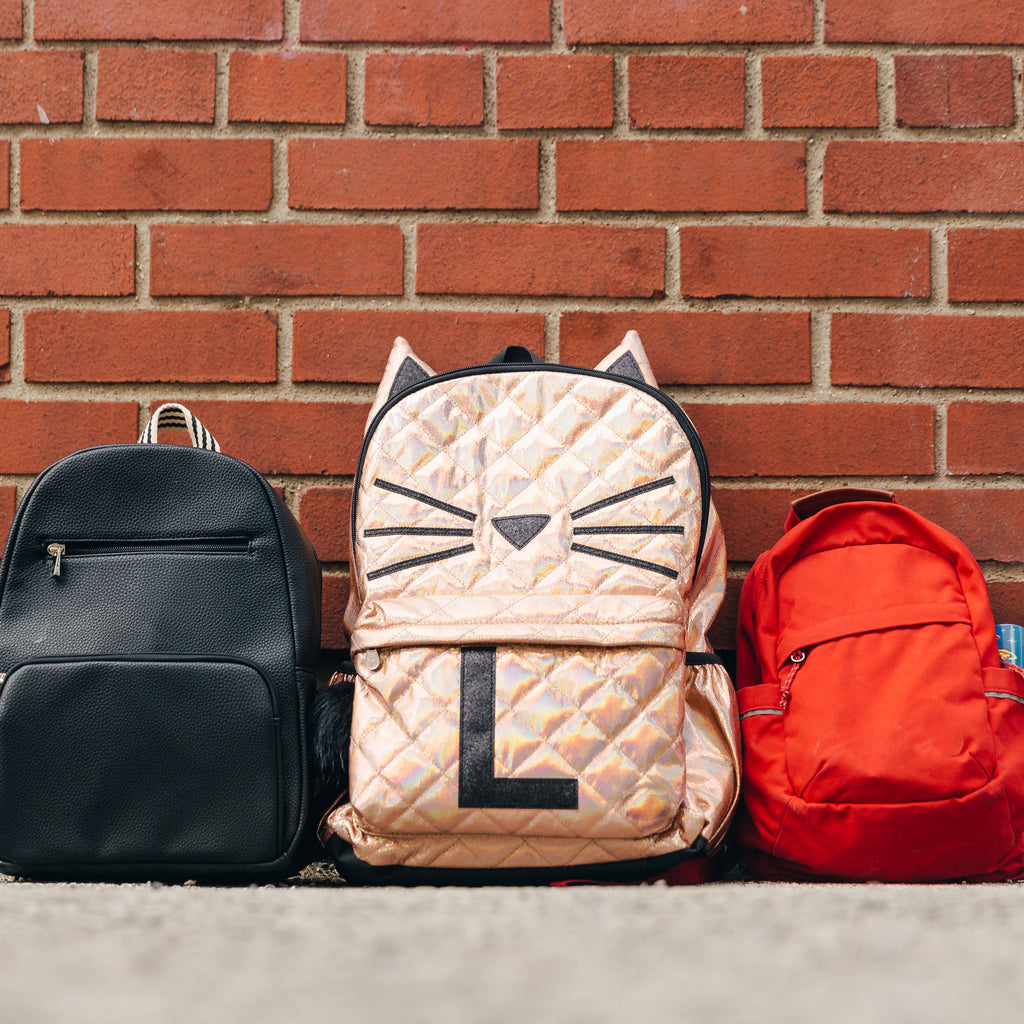
The category name should follow the job. A well-fitted school backpack can serve as a daypack, and a technical daypack can commute, but special features only add value when they match the actual load. Compare the expected use first, then examine capacity and fit.
Compare daypacks for hiking, travel and everyday carry
Frequently Asked Questions
What size daypack is best for hiking?
About 18–25 liters is a useful starting range for many day hikes, but climate, water, safety gear and the wearer determine the right size.
Is a 20L daypack big enough?
It can be for a day hike, sightseeing or a light campus load. Test the actual layers, water and equipment rather than relying on liters alone.
What is the difference between a daypack and a backpack?
A daypack is a backpack intended for one day’s supplies. Larger backpacks may support overnight equipment and heavier loads.
Can a daypack be a personal item?
Sometimes. Compare the fully packed measurements with the airline’s current personal-item rules.
Are packable daypacks comfortable?
They are comfortable for light loads. Thin straps and minimal structure can become uncomfortable with dense equipment.
Can I carry a laptop in a hiking daypack?
Only with verified fit and adequate independent protection. A hydration sleeve is not necessarily a padded laptop compartment.
Are daypacks waterproof?
Not universally. Verify the exact construction and protect important contents separately.
How should a daypack fit?
It should sit close to the back without pushing into the neck or hanging excessively low, and remain stable while walking.
Final Verdict
The best daypack is the smallest comfortable pack that carries every required item for the day. Hiking buyers should prioritize fit, stability, water capacity and weather layers. Travelers should compare packability, security and access. Campus users should confirm laptop and folder protection.
Start with the load, choose the capacity, then compare the harness and organization. Browse the Daypacks collection or compare current daypacks on Amazon.
Sample Block Quote
Praesent vestibulum congue tellus at fringilla. Curabitur vitae semper sem, eu convallis est. Cras felis nunc commodo loremous convallis vitae interdum non nisl. Maecenas ac est sit amet augue pharetra convallis nec danos.
Sample Paragraph Text
Praesent vestibulum congue tellus at fringilla. Curabitur vitae semper sem, eu convallis est. Cras felis nunc commodo eu convallis vitae interdum non nisl. Maecenas ac est sit amet augue pharetra convallis nec danos dui.
Cras suscipit quam et turpis eleifend vitae malesuada magna congue. Damus id ullamcorper neque. Sed vitae mi a mi pretium aliquet ac sed elitos. Pellentesque nulla eros accumsan quis justo at tincidunt lobortis denimes loremous. Suspendisse vestibulum lectus in lectus volutpat, ut dapibus purus pulvinar. Vestibulum sit amet auctor ipsum.
Praesent vestibulum congue tellus at fringilla. Curabitur vitae semper sem, eu convallis est. Cras felis nunc commodo eu convallis vitae interdum non nisl. Maecenas ac est sit amet augue pharetra convallis nec danos dui.
Cras suscipit quam et turpis eleifend vitae malesuada magna congue. Damus id ullamcorper neque. Sed vitae mi a mi pretium aliquet ac sed elitos. Pellentesque nulla eros accumsan quis justo at tincidunt lobortis denimes loremous. Suspendisse vestibulum lectus in lectus volutpat, ut dapibus purus pulvinar. Vestibulum sit amet auctor ipsum.
