


Rolling Backpacks vs School Backpacks: Which Is Best for Students?
Rolling Backpacks vs. School Backpacks: Choosing the Perfect Companion for Students
When it comes to student essentials, few items are as vital as a reliable backpack. Over the years, the evolution of student bags has mirrored the changing needs, styles, and health concerns of learners of all ages. Two dominant categories stand out in today’s marketplace: Rolling Backpacks and School Backpacks. Choosing between them is not simply a matter of style; it’s a decision that influences comfort, organization, mobility, and even long-term wellness.
This comprehensive guide aims to provide an in-depth, side-by-side comparison of Rolling Backpacks and School Backpacks. Our goal is to help students, parents, and educators make informed purchasing decisions rooted in practicality, functionality, and personal needs. We will explore features, benefits, drawbacks, user considerations, and much more, ensuring that every reader walks away with the clarity to select their perfect academic companion.
Table of Contents
- Introduction to Backpack Types
- Core Features and Construction
- Ergonomics and Student Wellness
- Convenience in Daily Use and Mobility
- Organization and Storage Capabilities
- Style, Personalization, and Trend Analysis
- Durability and Maintenance
- Cost Analysis and Value for Money
- Sustainability Considerations
- Who Should Choose Which?
- Final Verdict
- Next Steps: Making the Right Choice
Introduction to Backpack Types
Rolling Backpacks: A Modern Solution for Mobile Students
Rolling Backpacks, sometimes called wheeled backpacks or trolley bags, are defined by their distinctive wheel and handle system. Borrowing design concepts from travel luggage, these bags enable users to pull heavier loads with relative ease, reducing the physical strain associated with carrying books and supplies by hand or on the shoulders. Originally popular with travelers and business professionals, Rolling Backpacks are now making sizable inroads into student settings.
School Backpacks: The Classic All-Rounder
School Backpacks refer to the traditional two-shouldered bags carried on the back. They are favored for their versatility, lightweight design, and wide array of styles and sizes. From elementary learners to university scholars, School Backpacks remain the most recognized symbol of academia, reflecting both function and fashion trends.
Core Features and Construction
Rolling Backpacks: Key Components
- Wheeled Base: Smooth-rolling wheels for easy transport over various surfaces.
- Telescopic Handle: Adjustable and retractable, allowing height customization for different users.
- Backpack Straps: Hidden or detachable shoulder straps for conventional backpack carrying when necessary.
- Reinforced Base: Durable construction to support the weight and resist abrasion from repeated use.
School Backpacks: Traditional Design Elements
- Shoulder Straps: Padded and adjustable for a snug, comfortable fit across different body types.
- Main Compartment: Spacious interior for books, laptops, or supplies.
- Secondary Pockets: Organizers for pens, notebooks, and accessories.
- Back Padding: Provides comfort and airflow across the back, reducing heat buildup.
- Top Handle: For grabbing or hanging the backpack quickly.
Comparison Chart: Construction at a Glance
| Feature | Rolling Backpacks | School Backpacks |
|---|---|---|
| Mobility | Rolling on wheels, carry optional | Carry only (shoulders/back) |
| Weight (Empty) | Heavier (due to hardware) | Lighter |
| Capacity | Large to extra-large | Small to large |
| Handle System | Telescopic, adjustable | Top carry handle only |
Ergonomics and Student Wellness
Rolling Backpacks: Supporting Student Wellbeing
One of the main attractions of Rolling Backpacks lies in their potential to support wellbeing for students frequently burdened by heavy textbooks, laptops, and extracurricular materials. By transferring the weight from the back and shoulders to the ground, these backpacks reduce physical strain and may help encourage healthy habits of load management.
- Recommended for students with long commutes or heavy daily loads.
- Minimizes risk of shoulder, back, and spinal discomfort.
- Promotes upright posture when rolling, reducing unnecessary physical stress.
School Backpacks: Encouraging Active Lifestyles
School Backpacks, when used properly, can also contribute to a balanced lifestyle. Designs featuring wide, padded shoulder straps and lumbar support offer ergonomic benefits, particularly when students follow best practices such as distributing weight evenly, carrying only essentials, and wearing both straps.
- Lightweight, flexible, and suitable for a mobile school environment.
- Can foster independence and responsibility in younger children managing their belongings.
- Users must be mindful of overloading, as heavy backpacks may potentially cause discomfort if not managed wisely.
Convenience in Daily Use and Mobility
Rolling Backpacks: Navigating Different Terrains
Rolling Backpacks excel in environments with smooth surfaces, such as paved sidewalks, school corridors, and bus platforms. Their ability to shift the burden from body to ground, particularly over significant distances, makes them ideal for students transitioning between multiple classes, buildings, or transportation hubs.
- Effortless movement: Wheels reduce fatigue associated with prolonged carrying.
- Dual-mode options: Most models enable switching between rolling and wearing, accommodating different surfaces and situations.
- Potential drawbacks: Navigating stairs, muddy areas, or crowded spaces can be challenging, requiring temporary reversion to the backpack mode.
School Backpacks: Everyday Versatility
School Backpacks provide unmatched adaptability for a variety of daily activities. Ideal for quickly changing environments, getting on buses, climbing stairs, or squeezing through crowded spaces, their streamlined design ensures seamless transitions throughout the day.
- Easy to carry up stairwells and over uneven surfaces.
- Lightweight nature supports fast packing and unpacking.
- Flexible for athletic activities or outdoor excursions.
Organization and Storage Capabilities
Rolling Backpacks: Spacious Compartmentalization
Due to their larger, luggage-inspired footprint, Rolling Backpacks often feature generous main compartments capable of accommodating several textbooks, binders, digital devices, gym clothes, lunchboxes, and personal items. Many models incorporate extra pockets for organization, plus dedicated laptop sleeves and external holders for water bottles or umbrellas.
- Ample space for bulky items, musical instruments, sports gear, or art supplies.
- Superior for students juggling diverse extracurricular commitments.
- Multiple zippered and padded pockets for electronics, chargers, and valuables.
School Backpacks: Streamlined Organization
While traditional School Backpacks come in a wide range of sizes (from compact daypacks to oversized versions), their focus is typically on essential, streamlined storage. Well-designed models include internal organizers, dedicated pockets for electronics, and quick-access front pouches—but overall, they sacrifice some capacity for lighter weight and ease of movement.
- Ideal for students with fewer books or a minimalistic approach to packing.
- Organizational layouts encourage prioritizing necessities.
- Easy to manage and less likely to be overstuffed.
Style, Personalization, and Trend Analysis
Rolling Backpacks: Function Meets Fun
Far from utilitarian relics, modern Rolling Backpacks now embrace style, vibrant colorways, and popular character designs. Brands offer customization options with keychains, tag spaces, or removable patches. As wheeled bags grow in popularity, trend-forward students can find options that align with their unique personalities.
- Expanding palette of colors, prints, and themed graphics.
- Mix of professional, whimsical, and sporty aesthetics.
- Often stand out in a crowd, making them easy to identify.
School Backpacks: Endless Customization
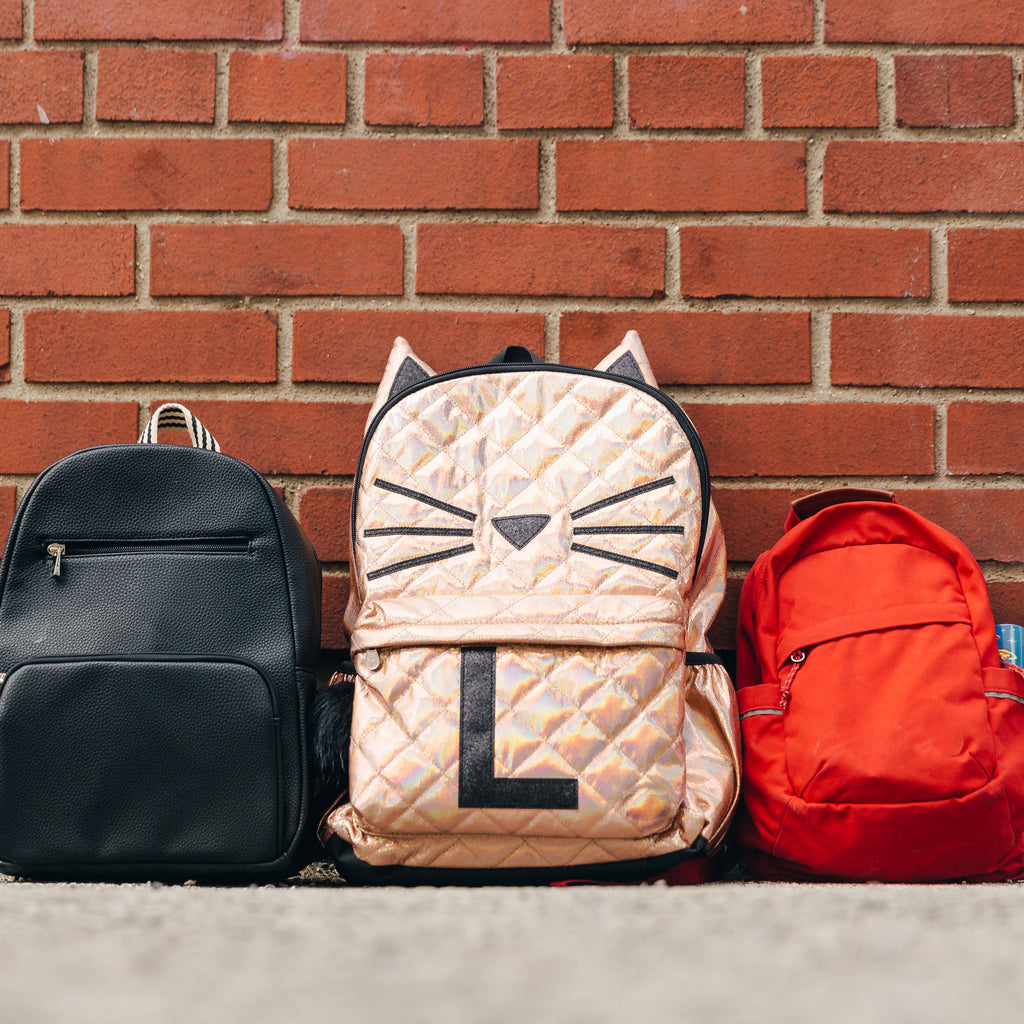
School Backpacks have traditionally set the standard for self-expression. From classic black and neutral hues to bold patterns, logos, and licensed characters, the possibilities are virtually endless. Accessories like pins, patches, or custom embroidery add personal touches, making each bag synonymous with its owner’s style.
- Thousands of styles across major brands and boutique designers.
- Seasonal collaborations, limited editions, and artist partnerships.
- Easy to match with uniforms or casual outfits.
Durability and Maintenance
Rolling Backpacks: Built for Longevity
Given their complex design and heavier loads, high-quality Rolling Backpacks are engineered for resilience. Reinforced stitching, abrasion-resistant bases, and robust wheel systems are standard among premium models. Regular maintenance, such as cleaning the wheels and checking the handle system, ensures a longer lifespan.
- Withstands rough terrain and heavy daily use.
- Replaceable wheels or handles on some models.
- Water-resistant materials for protection against weather.
School Backpacks: Simplicity Equals Strength
Traditional School Backpacks also offer excellent durability, especially when constructed from high-denier nylon or polyester. Fewer moving parts mean less risk of component failure. Routine cleaning and occasional patching or zipper repair can extend the usable life of a standard backpack.
- Machine washable or easy to spot-clean.
- Minimal mechanical failure points.
- Retain structural integrity even under rough-and-tumble school environments.
Cost Analysis and Value for Money
Rolling Backpacks: Higher Upfront Investment, Long-Term Value
On average, Rolling Backpacks are priced above comparable School Backpacks due to their additional components and specialized engineering. However, their extended longevity, capacity, and ergonomic benefits can justify the expense for many users. Budget-friendly versions exist, but it’s wise to invest in reputable brands for frequent or intensive use.
- Premium models: $60–$150 and up.
- Durable construction offsets higher initial cost.
- Ideal for families prioritizing wellness or transport of heavy materials.
School Backpacks: Economical and Accessible
School Backpacks continue to dominate the market thanks to their vast affordability spectrum. From entry-level packs under $20 to high-end designer collaborations, there’s a backpack for every budget. Their broad range makes them accessible to all students without sacrificing quality.
- Entry-level: $15–$45.
- Mid-range to premium: $50–$120.
- Frequent sales and discounts from major retailers and brands.
Sustainability Considerations
Rolling Backpacks
Eco-conscious students and parents should consider the environmental impact of Rolling Backpacks. Their structure requires more materials and energy-intensive manufacturing processes; however, many modern brands now source recycled plastics and offer repairable components to extend product life. Brands committed to responsible sourcing and carbon offsetting programs are making Rolling Backpacks more sustainable year after year.
School Backpacks
School Backpacks generally possess a lighter ecological footprint due to their simpler designs. More brands are incorporating organic cotton, RPET (recycled polyester), and responsible dye processes, marrying functionality with environmental stewardship. Furthermore, donation and backpack recycling initiatives allow for meaningful end-of-life solutions.
Who Should Choose Which?
Rolling Backpacks: Ideal Use Profiles
- Students who regularly transport heavy or bulky loads.
- Those with a need to traverse long school corridors, between classrooms or campuses.
- Younger children, or students for whom reducing physical strain supports overall wellbeing.
- Learners involved in specialized programs requiring extra materials (e.g., music, art, robotics).
School Backpacks: Best-Fit Scenarios
- Students with lighter daily loads or compact school supplies.
- Those who frequently move through crowded, stairs-heavy, or uneven environments.
- Individuals who prioritize style, personalization, and lightweight convenience.
- Students engaged in outdoor activities or athletic programs requiring flexible gear transport.
Final Verdict: Making the Smart Backpack Choice
Both Rolling Backpacks and School Backpacks offer unique advantages, and the ideal choice largely depends on the student’s age, academic requirements, daily commute, and personal preferences. Rolling Backpacks support comfort and wellness for those carrying substantial loads, while School Backpacks deliver unmatched versatility, style, and practicality for lighter or more mobile routines.
The key is to balance ergonomic needs, storage capacity, ease of use, and opportunities for personal expression. As schools evolve and curricula diversify, students benefit from gear that not only meets functional demands but also promotes a positive, balanced lifestyle both inside and outside the classroom.
Next Steps: How to Find Your Perfect Backpack
Ready to make an informed purchase? Here are a few actionable steps:
- Assess your needs: List required items, transportation methods, and daily routines.
- Try before buying: Whenever possible, test Rolling Backpacks and School Backpacks for comfort and fit.
- Check product reviews: Seek out real user experiences and trusted expert recommendations.
- Set a sustainable budget: Consider investing in durability and ergonomic design for long-term value.
- Personalize: Choose styles, colors, and accessories that reflect your individuality.
Browse our extensive collection of top-rated Rolling Backpacks and School Backpacks today to find the perfect match for your academic journey. Invest in quality, comfort, and style—your school days deserve nothing less!
Have questions? Our team is ready to help you compare models, explain features, and ensure you select the best fit for your needs. Contact us for personalized recommendations or to see our latest arrivals.
Stay ahead of the curve, support your daily routine, and carry your confidence—start your backpack journey with us now!
Sample Block Quote
Praesent vestibulum congue tellus at fringilla. Curabitur vitae semper sem, eu convallis est. Cras felis nunc commodo loremous convallis vitae interdum non nisl. Maecenas ac est sit amet augue pharetra convallis nec danos.
Sample Paragraph Text
Praesent vestibulum congue tellus at fringilla. Curabitur vitae semper sem, eu convallis est. Cras felis nunc commodo eu convallis vitae interdum non nisl. Maecenas ac est sit amet augue pharetra convallis nec danos dui.
Cras suscipit quam et turpis eleifend vitae malesuada magna congue. Damus id ullamcorper neque. Sed vitae mi a mi pretium aliquet ac sed elitos. Pellentesque nulla eros accumsan quis justo at tincidunt lobortis denimes loremous. Suspendisse vestibulum lectus in lectus volutpat, ut dapibus purus pulvinar. Vestibulum sit amet auctor ipsum.
Praesent vestibulum congue tellus at fringilla. Curabitur vitae semper sem, eu convallis est. Cras felis nunc commodo eu convallis vitae interdum non nisl. Maecenas ac est sit amet augue pharetra convallis nec danos dui.
Cras suscipit quam et turpis eleifend vitae malesuada magna congue. Damus id ullamcorper neque. Sed vitae mi a mi pretium aliquet ac sed elitos. Pellentesque nulla eros accumsan quis justo at tincidunt lobortis denimes loremous. Suspendisse vestibulum lectus in lectus volutpat, ut dapibus purus pulvinar. Vestibulum sit amet auctor ipsum.
