




What Is Underseat Luggage? Size, Rules, and How to Choose
Quick Answer
Underseat luggage should be chosen against the operating airline’s current personal-item rule and the bag’s full exterior measurements, including wheels and handles. For what is underseat luggage? size, rules, and how to choose, prioritize verified fit, useful packing space, access during the flight and loaded handling rather than relying on an “airline approved” label.
As an Amazon Associate, Backpacks4Less may earn from qualifying purchases made through links on this page, at no additional cost to you.
Compare underseat luggage on Amazon
What is underseat luggage?
Underseat luggage is a compact travel bag designed to fit under the seat in front of you on an airplane. It is usually used as a personal item and is popular for short trips, budget airline travel, and travelers who want quicker boarding and easier access to essentials during the flight.
What Is Underseat Luggage?
Underseat luggage is a small suitcase, tote, backpack, or wheeled bag sized to fit under the airplane seat in front of you. It is different from standard carry-on luggage because it does not go in the overhead bin. Instead, it stays close by during the flight, which makes it especially useful for things you may want easy access to, like chargers, snacks, travel documents, medications, and a change of clothes.
This type of luggage is one of the smartest choices for travelers who want to pack light, avoid checked baggage fees, or travel with a personal item only. It is especially popular on shorter trips and on airlines where overhead-bin space is limited or carry-on fees are more common.
If you want to compare live luggage categories while reading, browse our Underseat Luggage, Carry-On Luggage, and Luggage collections.
How Underseat Luggage Works
When you travel with underseat luggage, the bag goes under the seat in front of you instead of into the overhead compartment. That means it needs to be smaller than a standard carry-on and sized more like a personal item. Airlines usually allow one personal item in addition to a carry-on on many fares, though rules vary by airline and ticket type.
Because the bag stays under the seat, it is easy to reach during the flight. That makes underseat luggage especially convenient for keeping essentials close without standing up and opening the overhead bin.
Underseat Luggage vs Carry-On Luggage
The biggest difference between underseat luggage and carry-on luggage is size and where the bag is stored on the plane. Carry-on luggage usually goes in the overhead bin and can be significantly larger. Underseat luggage must fit beneath the seat, so it needs to be much more compact.
- Underseat luggage: smaller, personal-item size, stored under the seat in front of you
- Carry-on luggage: larger, overhead-bin size, stored above you during the flight
- Underseat luggage: better for shorter trips and easy in-flight access
- Carry-on luggage: better for travelers who need more packing space
If you are comparing the two, also see our guides on What Is Carry-On Luggage Size? and What Is Checked Luggage?.
Why Travelers Choose Underseat Luggage
Underseat luggage is popular because it is simple, convenient, and efficient. Many travelers like that it keeps everything close by during the flight and reduces the stress of overhead-bin competition. It can also help avoid extra baggage fees on some airlines, especially for travelers trying to stay within personal-item limits.
For short trips, weekend travel, and quick work travel, an underseat bag can be all you need. It is often faster to board with, faster to exit with, and easier to manage than a full-size carry-on suitcase.
What Size Is Underseat Luggage?
There is no one universal underseat luggage size because airlines use slightly different personal-item rules. In general, underseat luggage is smaller than a standard carry-on and should be compact enough to slide fully under the seat in front of you. That is why it is always smart to check your airline’s personal item dimensions before flying.
The main idea is simple: underseat luggage needs to be small, compact, and practical enough to fit under the seat without blocking space or violating airline limits. Soft-sided bags often have a little more flexibility here, but structure and actual packed size still matter.
What Can You Pack in Underseat Luggage?
Underseat luggage works best for essentials and shorter-trip packing. Many travelers use it for travel documents, electronics, chargers, medications, snacks, toiletries, a change of clothes, and small personal items. On short trips, some travelers can even pack everything they need into one underseat bag.
This is why underseat luggage is so useful for minimal travel. It forces more efficient packing, but it also makes the airport and airplane experience much easier if you do not need the extra space of a larger bag.
Best Types of Underseat Luggage
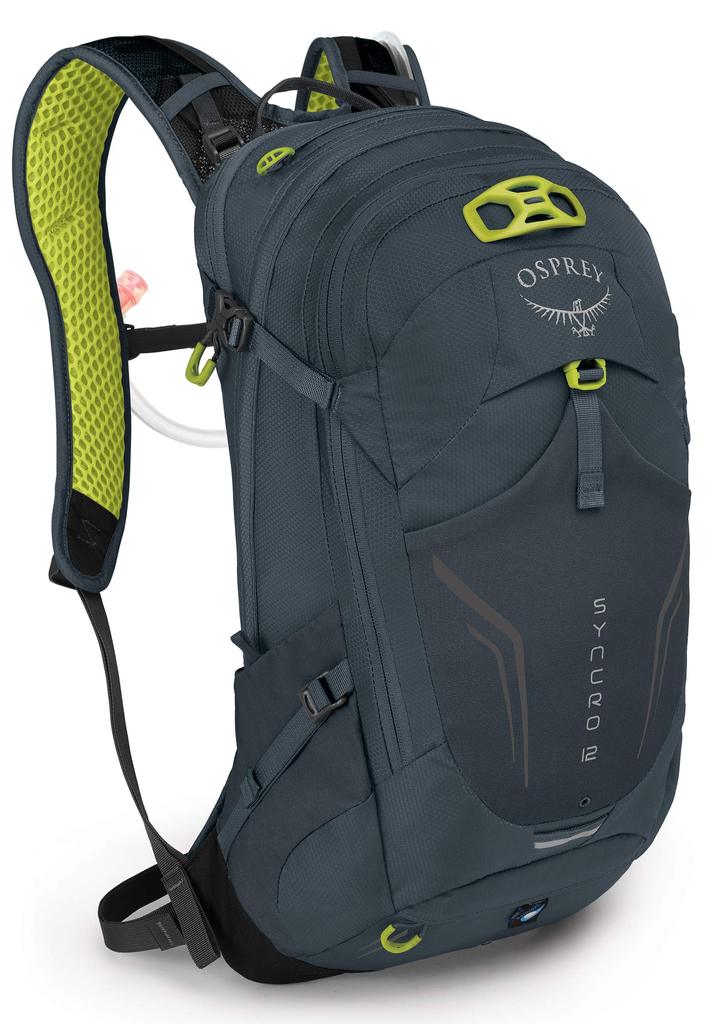
Underseat luggage comes in a few common formats, and the best one depends on how you travel. Some travelers prefer a wheeled underseat bag for easier rolling. Others like a tote, duffel, or compact backpack because it can be more flexible and easier to fit. The best underseat luggage is the one that matches your travel style and still works within airline size limits.
Common underseat bag types include:
- Wheeled underseat luggage: easier rolling through airports
- Underseat tote bags: simple and flexible for essentials
- Compact travel backpacks: useful for hands-free travel
- Small duffel-style bags: soft and easy to fit under many seats
If you want to compare related options, browse our Underseat Luggage, Travel Backpacks, and Duffel Bags collections.
Pros of Underseat Luggage
Underseat luggage offers several real travel advantages, especially for short flights and light packers.
- Easier in-flight access: your essentials stay right in front of you
- No overhead-bin stress: you do not need to compete for overhead space
- Faster boarding and deplaning: very useful on short trips
- Helpful for budget travel: can reduce fees when used as a personal item
- Great for minimal packing: ideal for short trips and light travelers
Cons of Underseat Luggage
Underseat luggage is very useful, but it does have tradeoffs. The biggest one is space. Because the bag must stay small, you usually cannot pack nearly as much as you can in a carry-on or checked suitcase. It also takes up some of your legroom during the flight, which some travelers do not like.
It is a great solution for the right kind of trip, but it is not ideal for travelers who need to pack a lot or want maximum comfort in the seat area.
Who Should Use Underseat Luggage?
Underseat luggage is especially helpful for travelers who prefer light, efficient packing and want a simpler airport experience. It is a great fit for weekend travelers, business travelers on quick trips, budget airline passengers, and anyone trying to travel with only a personal item.
Underseat luggage works especially well for:
- short trips
- weekend travel
- business travelers with minimal packing needs
- budget airline travelers
- travelers who want easy access to in-flight essentials
- people who want to avoid checked baggage whenever possible
How to Choose the Right Underseat Luggage
The best underseat luggage for you depends on how much you pack, whether you prefer wheels or a soft bag, and which airlines you fly most often. If you want airport convenience, a wheeled underseat bag may make the most sense. If flexibility is more important, a soft travel backpack, tote, or duffel may be the better fit.
Here are a few easy ways to narrow it down:
- Choose wheeled underseat luggage if you want easier rolling through terminals
- Choose a backpack if you want hands-free travel
- Choose a tote or duffel if flexibility matters most
- Choose by airline use if you fly budget or strict personal-item routes often
- Choose by trip length so the bag actually matches your packing needs
Related Luggage Categories to Compare
If you are shopping for underseat luggage, it also helps to compare a few related categories:
- Underseat Luggage
- Carry-On Luggage
- Luggage
- Travel Backpacks
- Duffel Bags
- Lightweight Luggage
- Travel Accessories
Final Verdict
Underseat luggage is one of the best choices for travelers who want a compact, efficient bag that stays close by during the flight. It is especially useful for short trips, personal-item-only travel, and anyone who wants to skip the hassle of overhead bins and checked baggage. It will not replace a larger suitcase for every trip, but for the right traveler it can make flying much easier.
If you want a lighter, faster, and more convenient way to travel, underseat luggage is absolutely worth considering.
Frequently Asked Questions
What is underseat luggage?
Underseat luggage is a small travel bag designed to fit under the seat in front of you on an airplane instead of going in the overhead bin.
Is underseat luggage the same as a personal item?
Usually, yes. Underseat luggage is commonly used as a personal item, though airline rules can vary.
Can underseat luggage replace a carry-on?
For short trips and light packing, yes. For longer trips, many travelers still need a larger carry-on or checked bag.
What is the best type of underseat luggage?
The best type depends on your travel style, but wheeled underseat bags, compact backpacks, totes, and duffels are all popular options.
Does underseat luggage count toward baggage limits?
Yes, on most airlines it counts as your personal item, so it still needs to fit the airline’s underseat or personal-item size rules.
Why do travelers like underseat luggage?
Travelers like it because it is convenient, keeps essentials close by, reduces overhead-bin stress, and can help avoid baggage fees on some flights.


Underseat Fit Questions for What Is Underseat Luggage? Size, Rules, and How to Choose
For the What Is Underseat Luggage? Size, Rules, and How to Choose question, there is no universal underseat suitcase size. Some airlines publish a personal-item box while others require only that the bag fit completely beneath the seat in front. Aircraft, seat row, support bars and equipment boxes can reduce usable space, so a published allowance is not a physical-space guarantee. Measure the packed bag at its widest points and keep a small margin rather than filling every stated inch.
When evaluating What Is Underseat Luggage? Size, Rules, and How to Choose, wheels, feet, handles and rigid pockets count toward the exterior dimensions. Soft bags can flex slightly, but they should not be overstuffed or extend into the footwell. Recheck the operating carrier’s current written policy before each trip, particularly on basic-economy and budget-airline fares.
Personal Item or Carry-On?
Within this What Is Underseat Luggage? Size, Rules, and How to Choose guide, an underseat bag often functions as the personal item, while a larger carry-on goes in the overhead bin. Whether both are included depends on the fare and airline. Do not assume that buying a product called an underseater creates a second free allowance. Verify the number of pieces, dimensions and any weight rule for every flight segment.
For travelers using this What Is Underseat Luggage? Size, Rules, and How to Choose advice, keep medication, documents, valuables, batteries and items needed in flight accessible, while following current security and safety rules. The bag must remain fully stowed during taxi, takeoff and landing.
Loaded Underseat Test
As a practical test for What Is Underseat Luggage? Size, Rules, and How to Choose, pack the bag with a realistic clean load, close every pocket and measure height, width and depth. Roll or carry it through a short route, test the telescoping handle if present, and check balance. A wheeled underseater saves shoulder carrying but wheel assemblies use part of the dimensional allowance; a tote or backpack may provide more interior room at the same exterior size.
Before relying on What Is Underseat Luggage? Size, Rules, and How to Choose claims, place a cardboard box or taped floor outline at the strictest dimensions on the itinerary. The packed bag should fit without force. Compression reduces volume, not weight, so weigh the bag when the carrier publishes a limit.
See current underseat luggage options on Amazon
Continue the Underseat Luggage Guide
- Shop Underseat Luggage
- Underseat Luggage Review: Top Picks for Smart Travellers 2026
- Carry On Luggage vs Underseat Luggage: Which Is Best for You?
- 10 Best Underseat Luggage Picks for Carry On: Top Brands Reviewed
- 10 Best Underseat Luggage Picks: Backpacks, Totes & Carry-Ons
- How to Choose the Best Underseat Luggage: Carry On, Tote, or Sling Bag
- Carry-On Luggage
- Lightweight Luggage
Sample Block Quote
Praesent vestibulum congue tellus at fringilla. Curabitur vitae semper sem, eu convallis est. Cras felis nunc commodo loremous convallis vitae interdum non nisl. Maecenas ac est sit amet augue pharetra convallis nec danos.
Sample Paragraph Text
Praesent vestibulum congue tellus at fringilla. Curabitur vitae semper sem, eu convallis est. Cras felis nunc commodo eu convallis vitae interdum non nisl. Maecenas ac est sit amet augue pharetra convallis nec danos dui.
Cras suscipit quam et turpis eleifend vitae malesuada magna congue. Damus id ullamcorper neque. Sed vitae mi a mi pretium aliquet ac sed elitos. Pellentesque nulla eros accumsan quis justo at tincidunt lobortis denimes loremous. Suspendisse vestibulum lectus in lectus volutpat, ut dapibus purus pulvinar. Vestibulum sit amet auctor ipsum.
Praesent vestibulum congue tellus at fringilla. Curabitur vitae semper sem, eu convallis est. Cras felis nunc commodo eu convallis vitae interdum non nisl. Maecenas ac est sit amet augue pharetra convallis nec danos dui.
Cras suscipit quam et turpis eleifend vitae malesuada magna congue. Damus id ullamcorper neque. Sed vitae mi a mi pretium aliquet ac sed elitos. Pellentesque nulla eros accumsan quis justo at tincidunt lobortis denimes loremous. Suspendisse vestibulum lectus in lectus volutpat, ut dapibus purus pulvinar. Vestibulum sit amet auctor ipsum.
