


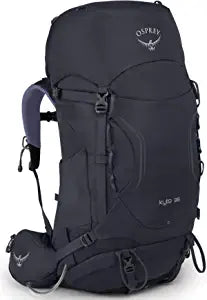
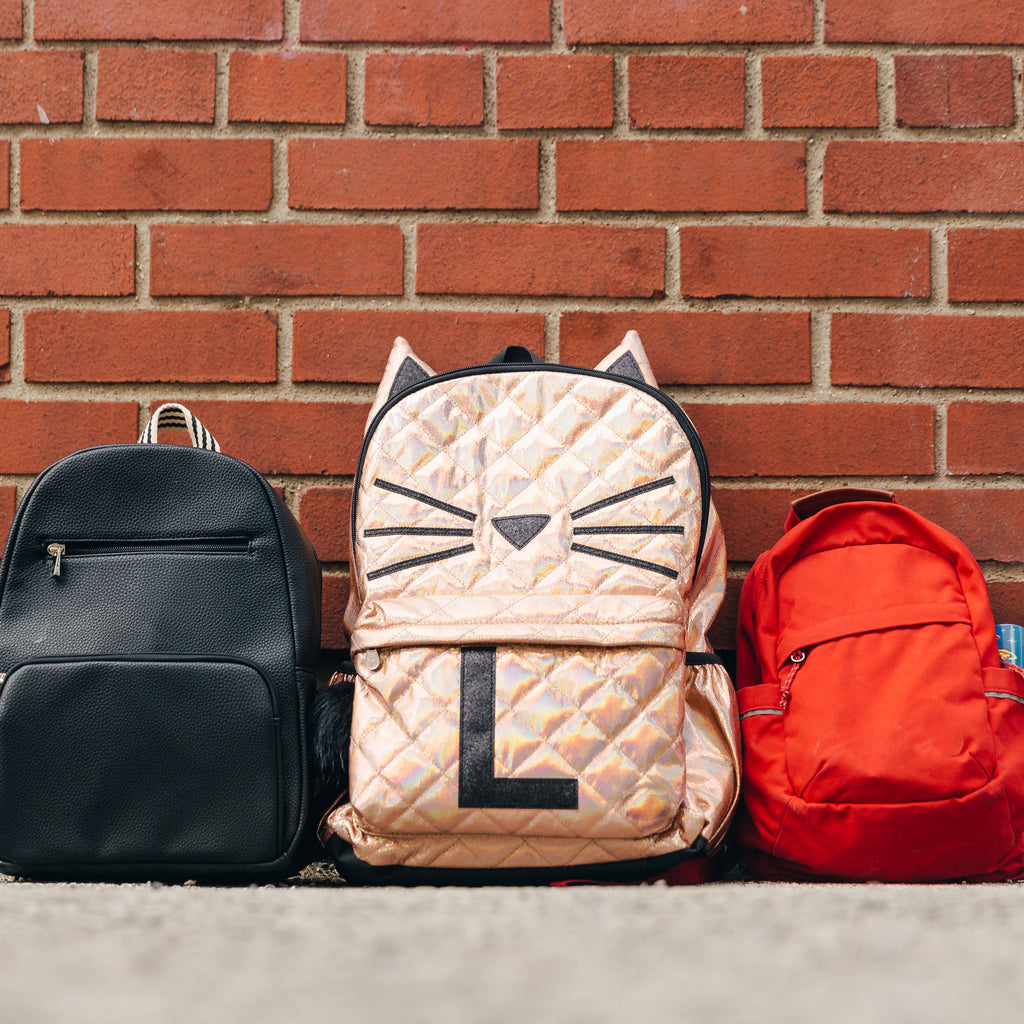
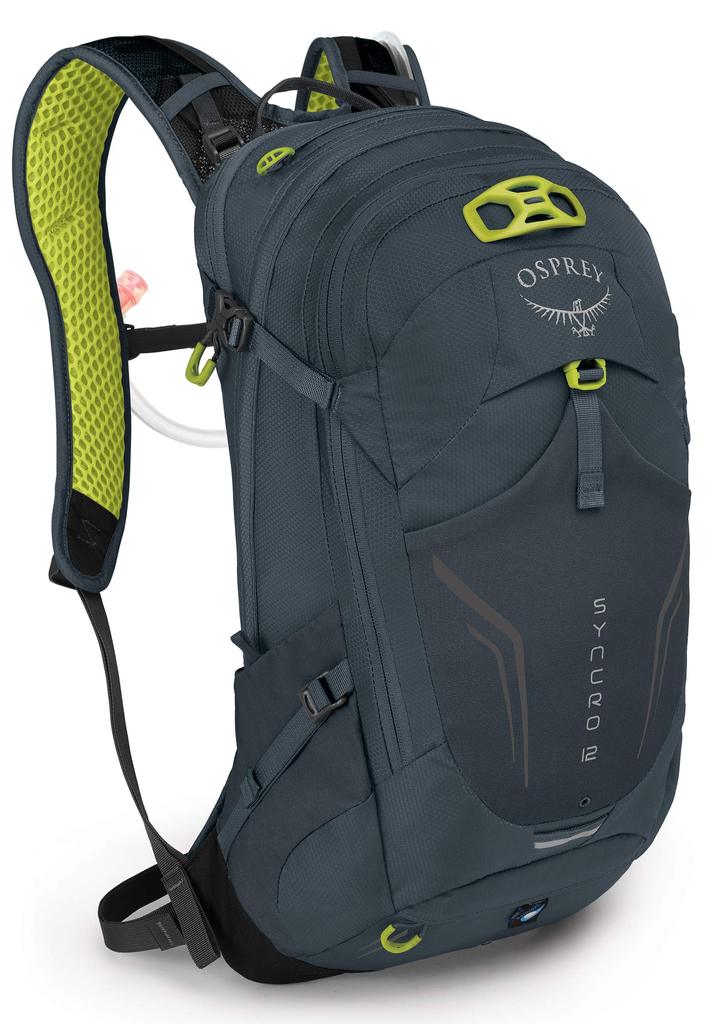
How to Choose the Best Training Backpack
How to Choose, Pack, and Use a Training Backpack for Better Daily Performance
A well-designed training backpack can do far more than carry your shoes and a water bottle. It can streamline your routine, protect your gear, improve organization, and make the transition from home to gym, studio, field, or office significantly easier. Whether you are a beginner building a new fitness habit or an experienced athlete balancing work, commuting, and training sessions, the right bag becomes an essential part of your system.
This guide explains how to choose the right backpack, what features matter most, how to pack it efficiently, and how to keep it in great condition over time. If you want to make your training routine more efficient and less stressful, this step-by-step resource will help you shop smarter and use your gear more effectively.
Why the Right Training Backpack Matters
Many people treat a backpack as an afterthought. They use any spare bag they already own, then wonder why everything feels disorganized. Shoes mix with clean clothes, small essentials disappear into the bottom compartment, electronics are exposed to moisture, and carrying the bag becomes uncomfortable during a commute. A purpose-built training bag solves these practical issues.
The right backpack helps you:
- Keep workout gear organized and easy to access
- Separate clean and used items
- Carry essentials comfortably during long commutes
- Protect valuables like laptops, tablets, headphones, and chargers
- Maintain a more consistent training routine by reducing friction
In short, a smart carrying system supports better preparation. When your gear is ready to go, it becomes easier to stay consistent.
How to Identify Your Training Needs Before You Buy
Before comparing styles, materials, and compartments, begin with your actual use case. A backpack that works perfectly for one customer may be a poor choice for another. Start by asking a few simple questions.
1. Where Will You Use It Most Often?
Think about your primary environment. Are you traveling to a commercial gym, commuting to a fitness class after work, heading outdoors for conditioning sessions, or carrying gear between school and sports practice? Your answer affects ideal size, weather resistance, and internal layout.
2. What Gear Do You Carry Every Day?
Make a realistic packing list. Include footwear, apparel, towel, water bottle, toiletries, resistance bands, wraps, gloves, notebook, snacks, and devices. If you also carry a laptop or work materials, your backpack needs dual-purpose functionality.
3. How Long Is Your Commute?
If you walk, cycle, or use public transportation, comfort becomes critical. Padded straps, breathable back panels, and balanced weight distribution will matter far more than they do for someone driving directly to the gym.
4. Do You Need One Bag for Multiple Roles?
Many shoppers are not looking for a gym-only bag. They want one product that can move between training, travel, work, and everyday use. If that sounds like you, focus on versatility rather than ultra-specialized features.
Key Features to Look for in a Training Backpack
Once you understand your daily needs, evaluate products based on function rather than just appearance. A clean design matters, but practical performance matters more.
Durable Materials
Look for abrasion-resistant fabrics that hold up to regular use. Reinforced stitching, strong zippers, and water-resistant finishes are especially useful if you train often or commute in changing weather. Durable materials help your backpack maintain structure and appearance over time.
Comfortable Carry System
A quality carry system should include padded shoulder straps and a supportive back panel. Adjustable straps are essential so you can fine-tune fit. If you carry heavier loads, a sternum strap can improve stability and reduce strain during movement.
Smart Compartment Design
Good organization is one of the biggest differences between a standard backpack and a useful training bag. Look for compartments that help you separate categories of gear. This can include a shoe section, laptop sleeve, bottle pocket, and secure zip pockets for keys or cards.
Ventilation
If you regularly pack damp clothing or worn shoes after a session, airflow matters. Ventilated sections can help reduce trapped moisture and keep the interior fresher between uses.
Water Bottle Access
A side pocket or dedicated hydration space is a small detail that makes a big difference. Fast access to water is convenient during commuting, travel, and training days with multiple stops.
Professional Appearance
If you take your bag to work, school, or meetings, choose a design that looks polished and minimal rather than overly bulky. A streamlined silhouette can fit more naturally into a professional setting.
How to Choose the Right Size
Size is one of the most important buying decisions. Too small, and you will constantly struggle to fit essentials. Too large, and the bag may feel bulky, disorganized, and awkward to carry.
Small Capacity Backpacks
These are ideal for minimalists carrying only the basics: a change of clothes, small towel, bottle, wallet, and phone. They work well for short sessions and light commuting.
Medium Capacity Backpacks
This is often the most practical choice for general use. A medium-size bag usually provides enough room for shoes, apparel, accessories, toiletries, and work items without becoming oversized.
Large Capacity Backpacks
Choose a larger option if you carry lifting gear, multiple changes of clothes, meal containers, or equipment for all-day use. Larger bags are also helpful for those moving between work, training, and overnight travel.
When in doubt, choose a size based on your heaviest typical day, not your lightest one. That approach prevents frustration later.
How to Pack Your Training Backpack Efficiently
Even the best backpack performs poorly if it is packed without a system. The goal is to distribute weight evenly, protect important items, and make essentials easy to find.
Step 1: Start with the Largest Items
Place shoes, folded apparel, or larger equipment in the main compartment first. Position heavier items closer to your back to improve balance and carrying comfort.
Step 2: Use Compartments Intentionally
Assign each area a category. For example:
- Main compartment for clothes and shoes
- Top pocket for quick-access items
- Internal sleeve for laptop or notebook
- Small zip pocket for keys, cards, and earphones
- Side pocket for water bottle or shaker
This system saves time and keeps your routine consistent.
Step 3: Separate Clean and Used Gear
Always isolate post-workout clothing from fresh items whenever possible. Use a dedicated compartment or a lightweight pouch. This simple habit keeps your bag cleaner and makes unpacking easier.
Step 4: Protect Fragile Essentials
Place electronics, glasses, and other delicate belongings in padded or secure sections. Avoid letting these items shift freely around heavy gear.
Step 5: Keep Everyday Essentials Accessible
Your transit card, phone charger, wallet, and keys should never be buried at the bottom of the bag. Store them in a consistent quick-access location.
What to Pack for Different Types of Training Days
Your packing strategy should change based on your session. Here are practical examples.
For a Gym Strength Session
- Training shoes
- Workout clothes
- Water bottle
- Towel
- Wrist wraps or lifting straps
- Notebook or training log
- Post-session clean shirt
For a Studio Class
- Light apparel
- Grip socks if needed
- Water bottle
- Small towel
- Hair ties or personal care items
- Minimal valuables in secure pocket
For Outdoor Conditioning
- Layered clothing
- Cap or lightweight outer shell
- Hydration
- Snack
- Phone and portable power bank
- Weather-ready accessories
For Work-to-Workout Days
- Laptop or tablet
- Charger
- Work documents
- Professional change of clothes
- Training outfit
- Toiletries
- Compact meal or snack container
This is where a versatile backpack shows its value. It supports transitions without requiring multiple bags.
How to Maintain Your Backpack for Long-Term Use
Good maintenance extends the life of your bag and helps it continue looking professional. You do not need a complicated care routine, but consistency matters.
Empty It Regularly
At least once a week, remove everything from your bag. Shake out debris, discard receipts, and check for forgotten clothing or food items.
Air It Out After Heavy Use
If you have packed damp gear, unzip the compartments and allow the interior to breathe before the next use. This is especially important after intense sessions or rainy commutes.
Spot Clean as Needed
Use a soft cloth, mild soap, and water to clean marks or dirt. Always check care instructions first, especially for technical materials and structured panels.
Do Not Overload It
Excess weight stresses seams, straps, and zippers. Even durable bags last longer when used within their intended capacity.
Store It Properly
When not in use, keep the backpack in a dry, clean area. Avoid leaving it compressed under heavier items for long periods.
Common Mistakes to Avoid
Choosing and using a backpack well is often about avoiding simple errors.
Buying Based Only on Style
A sleek look is valuable, but not if the bag lacks practical storage or comfort. Prioritize function first, then choose the design you prefer.
Ignoring Fit
If the shoulder straps dig in or the bag hangs awkwardly, daily use becomes frustrating. Fit matters as much as storage.
Choosing Too Many Compartments
Organization is useful, but excessive compartmentalization can waste space and make packing more complicated. Focus on intuitive layout rather than maximum pocket count.
Forgetting Your Non-Training Needs
If you commute with work gear, do not choose a bag that only works inside a gym environment. Think about your full day.
Skipping Maintenance
Even premium products wear out faster when they are never cleaned, aired out, or organized.
How to Match a Backpack to Your Lifestyle
The best product is the one that fits your real routine. Here are a few practical profiles to help guide your decision.
The Daily Commuter
Choose a backpack with a laptop sleeve, comfortable straps, water resistance, and a clean design that works in professional spaces.
The Minimalist Trainee
Look for a compact bag with streamlined compartments and lightweight construction. You want convenience without excess bulk.
The Multi-Session Athlete
Prioritize capacity, durability, and separation features for shoes, apparel, accessories, and recovery items.
The Weekend Traveler
Choose a versatile backpack that can handle both training and short trips. Expandable storage and secure organization are especially helpful.
How to Shop Smarter Online
When browsing ecommerce listings, it helps to evaluate products systematically. Do not rely only on hero images.
- Read dimensions carefully. Product photos can be misleading without measurements.
- Review material details. Check whether the fabric is water-resistant, reinforced, or easy to clean.
- Study pocket layout. Make sure the storage design matches what you actually carry.
- Check strap and back panel features. Comfort is essential for regular use.
- Look at use-case photos. These often reveal how the bag performs in real settings.
- Read customer feedback. Reviews can highlight zipper quality, real capacity, and long-term durability.
If you are shopping today, compare your top choices against your personal checklist before making a final decision. That extra step often leads to a much better purchase.
Why a Better Bag Can Improve Routine Consistency
Consistency in training often depends on practical systems more than motivation alone. When your clothing, accessories, hydration, and daily essentials are packed and ready, you remove friction from the process. You spend less time searching for gear, less time repacking, and less time dealing with preventable clutter.
A dependable backpack encourages preparation, and preparation supports follow-through. While the bag itself does not create discipline, it can make disciplined habits easier to maintain.
Final Thoughts: Invest in Function, Then Make It Part of Your System
Choosing the right training backpack is not just about storage. It is about creating a smoother routine that fits your schedule, protects your gear, and helps you stay organized wherever the day takes you. By identifying your needs, comparing features carefully, packing with intention, and maintaining your bag properly, you can get significantly more value from a product you use almost every day.
If you are ready to upgrade your daily setup, start by reviewing what you actually carry and where you go most often. Then choose a backpack built for those demands. A thoughtful purchase today can make every training day more efficient tomorrow.
Explore our collection now to find a backpack that matches your training style, commute, and daily routine. The right choice can help you move with confidence, stay organized, and make every session easier to prepare for.
Sample Block Quote
Praesent vestibulum congue tellus at fringilla. Curabitur vitae semper sem, eu convallis est. Cras felis nunc commodo loremous convallis vitae interdum non nisl. Maecenas ac est sit amet augue pharetra convallis nec danos.
Sample Paragraph Text
Praesent vestibulum congue tellus at fringilla. Curabitur vitae semper sem, eu convallis est. Cras felis nunc commodo eu convallis vitae interdum non nisl. Maecenas ac est sit amet augue pharetra convallis nec danos dui.
Cras suscipit quam et turpis eleifend vitae malesuada magna congue. Damus id ullamcorper neque. Sed vitae mi a mi pretium aliquet ac sed elitos. Pellentesque nulla eros accumsan quis justo at tincidunt lobortis denimes loremous. Suspendisse vestibulum lectus in lectus volutpat, ut dapibus purus pulvinar. Vestibulum sit amet auctor ipsum.
Praesent vestibulum congue tellus at fringilla. Curabitur vitae semper sem, eu convallis est. Cras felis nunc commodo eu convallis vitae interdum non nisl. Maecenas ac est sit amet augue pharetra convallis nec danos dui.
Cras suscipit quam et turpis eleifend vitae malesuada magna congue. Damus id ullamcorper neque. Sed vitae mi a mi pretium aliquet ac sed elitos. Pellentesque nulla eros accumsan quis justo at tincidunt lobortis denimes loremous. Suspendisse vestibulum lectus in lectus volutpat, ut dapibus purus pulvinar. Vestibulum sit amet auctor ipsum.
